Be the first to write a review
0%
(0)
0%
(0)
0%
(0)
0%
(0)
0%
(0)


 100% Authentic
 Shipping Included
 Handmade
------------------------------------------------
Size: 37.5cm(Height) x 18.5cm(Length) x 18.5cm(Width)
Weight: 1.57 kg
Materials: Copper, Fire Gold, Gemstone: Coral, Turquoise
------------------------------------------------
About Our Product
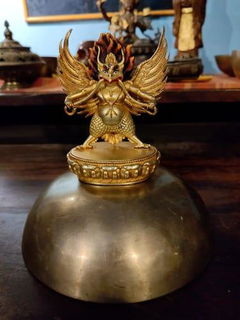
This Enlightenment Stupa for Buddhist Practice is a finely crafted sacred architectural form made from copper with fire gold finishing and gemstone inlays of coral and turquoise. Measuring 37.5 cm in height and 18.5 cm in length and width, and weighing 1.57 kg, it is designed for Buddhist altar placement, meditation practice, and traditional temple rituals. The tiered structure reflects the classical Himalayan stupa form, representing the path toward enlightenment and spiritual awakening.
The design follows the traditional symbolic architecture of a stupa, where each structural level represents stages of spiritual development. The stepped base symbolizes grounded discipline and ethical practice, while the central dome represents the vastness of enlightened awareness. The upper spire rises upward as a symbol of wisdom transcending illusion, and the flame-like finial represents the ultimate realization of enlightenment. Intricate ornamental carvings and gemstone accents enhance its sacred presence, reflecting protection, merit accumulation, and auspicious energy within Himalayan artistic tradition.
In Buddhist practice, a stupa is regarded as the physical representation of the enlightened mind of the Buddha. It is used as a focal point for meditation, visualization, and devotional offerings. This structure is commonly placed in home altars, monasteries, and sacred spaces as a reminder of the path to awakening. The Enlightenment Stupa for Buddhist Practice embodies spiritual transformation, mindfulness, and the journey toward liberation, making it a meaningful object for practitioners, collectors, and sacred interiors.
Introduction of Enlightenment Stupa
Prior to Buddhism, great teachers were often interred in mounds. While some were cremated, others were occasionally buried in a seated, meditative position, with earth covering them. Consequently, the domed shape of the stupa came to represent a person seated in meditation, much like the Buddha when he attained Enlightenment and knowledge of the Four Noble Truths. The base of the stupa symbolizes his crossed legs in a meditative pose, the middle portion represents the Buddha's body, and the top of the mound, from which a pole rises surrounded by a small fence, signifies his head. Before human images of the Buddha were created, reliefs frequently depicted practitioners showing devotion to a stupa.
Consecration
At the EvamRatna, the consecration procedure entails a precisely planned set of rituals and ceremonies. As requested for consecration/ blessing, we take the items to respective Monasteries.
Please Note: Once consecrated, the item becomes a sacred object and cannot be returned or refunded.
Return and Refund:
For any reason you need to return your item, we're here to help.
Please Note: Once consecrated, the Thangka Print becomes a sacred object and cannot be returned or refunded.
Your payment information is processed securely. We do not store credit card details nor have access to your credit card information.


Every order is fully insured, giving you peace of mind from dispatch to delivery.

Shipping is included with every order, so there are no unexpected delivery costs at checkout.

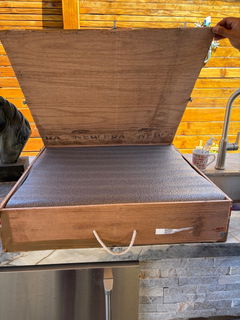
Each item is carefully and securely packed to ensure it arrives safely and respectfully.

| Price |
|
| Regular price
$2,424.00
Sale price
Regular price
|
Hurry up, only 1 item left in stock.
Explore organic, eco-friendly products crafted from natural ingredients. Fresh, chemical-free essentials for a healthier lifestyle and a more sustainable, conscious way of living.