Be the first to write a review
0%
(0)
0%
(0)
0%
(0)
0%
(0)
0%
(0)


 100% Authentic
 Shipping Included
 Handmade
------------------------------------------------
Size: 20cm(Height) x 10.5cm(Length) x 10.5cm(Width)
Weight: 0.68 kg
Materials: Acrylic Color, Copper, Gold Plated
------------------------------------------------
About Our Product
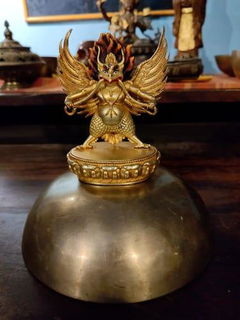
This Dhupur Rice Pot for Ritual Offerings is a beautifully crafted ceremonial vessel designed for traditional Buddhist altar practice. Made from a copper body with gold plated detailing and acrylic color accents, it measures 20 cm in height and 10.5 cm in length and width, with a weight of 0.68 kg. The structured form reflects traditional Himalayan craftsmanship used in sacred ritual objects.
The vessel features layered ornamental bands, floral embossing, and symbolic decorative patterns that represent prosperity, abundance, and spiritual merit. The upper finial adds an auspicious finishing element, symbolizing sacred energy and ritual completion. The combination of gold tones and earthy brown texture highlights the artistic heritage of Tibetan metalwork, making it suitable for ceremonial and decorative use.
Traditionally used in Buddhist puja practices, this ritual container holds rice and sacred offerings during altar ceremonies. It represents generosity, nourishment, and the offering of essential elements to enlightened beings. Ideal for meditation spaces, temple settings, and spiritual interiors, this piece reflects devotion, cultural heritage, and sacred ceremonial tradition.
Introduction of Rice Pot
A rice bowl represents prosperity, sustenance, fertility, and abundance. It is believed to help ward off household evils while simultaneously aiding in achieving wealth and happiness in family life. Often seen in the hands of the Buddha, traditional Buddhist monks used rice bowls to accept offerings from people. These offerings typically consisted of food, usually rice, but sometimes money. The act of giving to such a bowl is considered a very auspicious practice, believed to bestow blessings and merit upon the donor.
Consecration
At the EvamRatna, the consecration procedure entails a precisely planned set of rituals and ceremonies. As requested for consecration/ blessing, we take the items to respective Monasteries.
Please Note: Once consecrated, the item becomes a sacred object and cannot be returned or refunded.
Return and Refund:
For any reason you need to return your item, we're here to help.
Please Note: Once consecrated, the Thangka Print becomes a sacred object and cannot be returned or refunded.
Your payment information is processed securely. We do not store credit card details nor have access to your credit card information.


Every order is fully insured, giving you peace of mind from dispatch to delivery.

Shipping is included with every order, so there are no unexpected delivery costs at checkout.

Each item is carefully and securely packed to ensure it arrives safely and respectfully.

| Price |
|
| Regular price
$917.00
Sale price
Regular price
|
Hurry up, only 1 item left in stock.
Explore organic, eco-friendly products crafted from natural ingredients. Fresh, chemical-free essentials for a healthier lifestyle and a more sustainable, conscious way of living.