The Role of Tantric Malas in Wrathful Deity Meditation and Empowerment
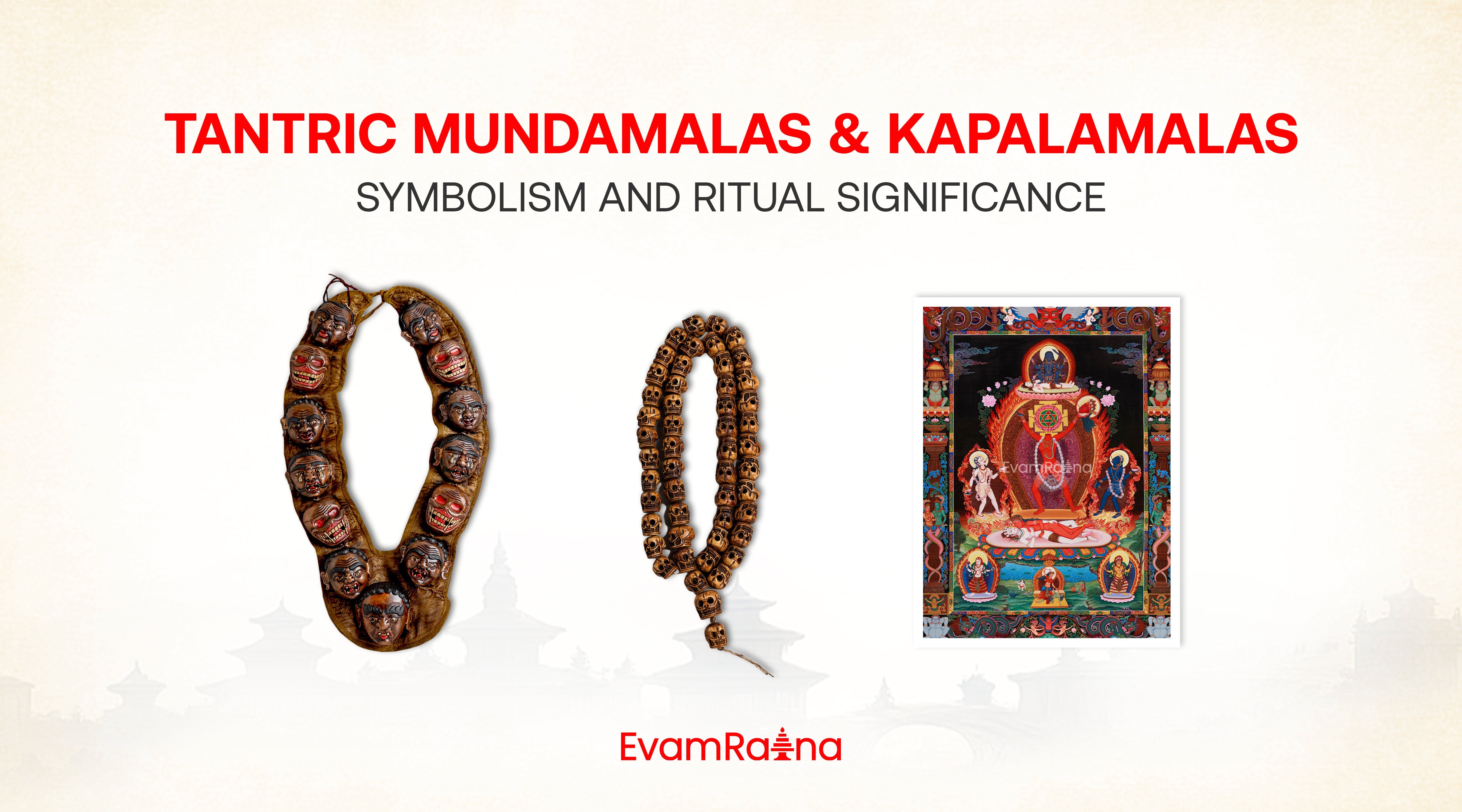
In the Vajrayana tradition, Tantric malas, known as Tantric Mundamalas (garland of severed heads) or Kapalamalas (garland of skulls), are sacred garlands worn by wrathful deities that represent the conquest of ignorance, the eradication of the ego, and the transmutation of the "five poisons" into enlightened wisdom. They are samaya substances, sacred objects that embody the wisdom, power, and activity of the enlightened mind. Just as any other Buddhist ritual implements are considered sacred, the mala serves as a primary support for a practitioner’s mindfulness, faith, and connection to their teacher and the deities. For those walking the path of Secret Mantra, the mala represents the teacher’s wisdom and provides an auspicious connection for receiving blessings
Why are they called the spiritual medium: connecting with Wrathful Deities

This mala serves as a medium to call upon the deities, reminding them of the shared samaya (sacred bond). While many religions use prayer beads for counting, in the context of Secret Mantra or Vajrayana, the mala is elevated to a samaya substance. Just as a practitioner is instructed never to be separate from their vajra and bell, the mala serves as a primary support for mindfulness. It acts as a bridge, reinforcing the realization that the practitioner and the deity are ultimately one. This connection is categorized into four enlightened activities: pacifying, enhancing, magnetizing, and subjugating.
- The Auspicious Connection: Using a mala during meditation forms an auspicious connection between the wisdom deity and the practitioner, allowing for the transmission of blessings.
- A Call to Samaya: The mala calls the deity, reminding them of the shared sacred bond (samaya) and reinforcing the realization that the practitioner and the deity are ultimately one.
- Energetic Vitality: Because each bead represents a Buddha (Tathagata) and the top ornament represents the Three Kayas (Dharmakaya, Sambhogakaya, and Nirmanakaya), the mala is considered energetically alive, carrying the transformative power of the lineage into the ritual space.
The Anatomy of the Mundamala: Heads vs. Skulls

- The Mundamala (Chinnamunda mala): A garland of freshly severed heads, predominantly representing the masculine principle of form.
- The Kapalamala: A garland of dry skulls, predominantly representing the feminine principle of emptiness.
In Buddhist Iconography

In Tibetan Buddhism, wrathful deities wear mundamalas as symbols of spiritual power and protection.
-
Deities such as Mahakala, Heruka, Chakrasamvara, Yamantaka, and wrathful goddesses like Vajravarahi, and Dakinis adorn themselves with these malas.
-
In Buddhist symbolism, the beads also represent the Sanskrit alphabet, similar to Hindu usage, linking speech, mantra, and the deity’s power.
-
The Kumari in Nepal, identified with Vajravarahi, wears a silver mundamala, reflecting her ferocious nature and divine authority.
In Hindu Iconography

Click Here To View Our Collection of Mahakali Statues
The Mundamala is also present in Hindu art, particularly among fearsome goddesses and Shiva.
-
The Mahavidyas like Kali, Chhinnamasta, Bhairavi, Dhumavati, and Matangi are often shown with mundamalas of fifty heads, sometimes bleeding, symbolizing victory over foes and mastery of time and death.
-
Shiva and his fierce manifestations, such as Bhairava, Virabhadra, and Aghoramurti, are depicted wearing skull garlands to symbolize cosmic cycles of creation and destruction.
Key Symbolisms of the Tantric Mundamalas or Kapalamalas
The key symbolisms of the Tantric Mundamalas (garlands of severed heads) and Kapalamalas (necklaces of skulls) are rooted in the purification of the practitioner's speech and mind, as well as the representation of fundamental Tantric principles.
-
Trophies of Conquered Delusions: The severed heads are trophies representing victory over harmful mental states, such as ignorance, attachment, anger, pride, and jealousy.
-
Destruction of the Ego: The ultimate goal of the severing is the death of the ego (the false sense of an independent "I") to reveal the practitioner's pure Buddha nature.
-
The 50 Letters of the Sanskrit Alphabet: The mala typically features 50 or 52 heads or skulls. In Tantric tradition, these correspond to the vowels and consonants of the Sanskrit alphabet, symbolizing the primal sounds of the universe and the pure, unconditioned speech of an enlightened Buddha.
- The Illusory Nature of Reality: These garlands are often depicted as being strung upon a thread made of twisted human intestines, which symbolizes the illusory nature of all phenomena.
- The Three Kayas: The structure of a Tantric mala often includes a top ornament with three beads that symbolize the Three Kayas: blue for Dharmakaya, red for Sambhogakaya, and white for Nirmanakaya.
- Biting Through Obstacles: The grinning or "haughty" white skulls often feature four sharply bared canine teeth, which symbolize the biting through of the four Maras (the obstacles to enlightenment).
- Transcending Worldly Obsessions: In certain traditions, a garland of eight blood-dripping heads represents the eight mundane obsessions (the "worldly dharmas"): praise and blame, pleasure and pain, loss and gain, and infamy and fame.
Purpose and Ritual Function of Tantric Mundamalas and Kapalamalas

-
Samaya Substance and Sacred Bond: In Vajrayana, the mala is a sacred samaya substance. It serves as a physical support for mindfulness, representing the teacher’s wisdom and the practitioner's faith.
- The "Spiritual Medium": The mala acts as a "medium" or bridge to connect with wrathful deities. It reminds the deity of the shared sacred bond (samaya), signaling the realization that the practitioner and deity are ultimately one.
- Purification of Speech (50 Heads/Skulls): A garland of 50 severed heads or skulls represents the purification of speech. This number corresponds to the 16 vowels and 34 consonants of the Sanskrit alphabet, signifying the "sacrificial purification" of sound.
- Purification of Mind (51 Heads/Skulls): A garland of 51 heads or skulls symbolizes the purification of the mind. It represents the severance or exhaustion of the 51 mental factors (defiled thought processes) described in Buddhist psychology.
-
Symbolism of Form and Emptiness: The necklace of severed heads (Mundamala) represents the masculine principle of form, while the necklace of skulls (Kapalamala) represents the feminine principle of emptiness.
-
Overcoming Obstacles: The grinning skulls with bared canine teeth symbolize the biting through of the four Maras (obstacles to enlightenment). In some traditions, the blood dripping from severed heads represents the eight mundane obsessions (the worldly dharmas like praise, blame, loss, and gain) that must be transcended.
Usage of Tantric Mundamalas or Kapalamalas in Practice
Beyond strict ritual application, these malas carry profound symbolic weight in artistic and decorative contexts:
- Artistic Appreciation: Even outside of a religious context, artists and "free-spirited people" may wear or display malas because of their aesthetic beauty and the unique "feeling" they provide, though they may not always know the deep Tantric meaning behind them.
- Iconographic Variations: In Hindu tantric art, a garland of eight blood-dripping heads is often depicted on goddesses like Kali or Durga to represent the eight worldly dharmas (praise/blame, pleasure/pain, loss/gain, and infamy/fame) that the practitioner seeks to transcend.
- Craftsmanship: The physical construction of these malas often incorporates beads representing the Three Kayas (blue for Dharmakaya, red for Sambhogakaya, and white for Nirmanakaya) at the top, ensuring the object itself is a complete map of the enlightened mind.
- Maintaining Balance: The string of the mala should be neither too tight nor too loose, reflecting the desired state of the practitioner’s mind, finding a perfect balance between agitation and dullness.
Conclusion: The Union of Wisdom and Method
Whether one is magnetizing the compassion of a Dakini or subjugating obstacles through the power of Mahakala, the mala remains an indispensable support. Tantric Mundamalas and Kapalamalas are sacred instruments of wrathful deities, embodying purification, protection, and the union of form and emptiness. Worn by deities such as Mahakala, Vajravarahi, and Chinnamasta, these malas serve as samaya substances, connecting practitioners to divine energy, enabling the purification of mind, speech, and defilements, and reinforcing blessings during meditation and empowerment rituals. Through their symbolism skulls, severed heads, and the Three Kayas beads, they guide practitioners in overcoming ego, karmic obstacles, and worldly attachments, offering a powerful path toward enlightenment. By understanding the specific materials and ritual techniques associated with wrathful and magnetizing deities, the practitioner strengthens their samaya and deepens their path toward enlightenment.