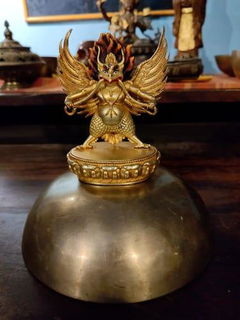
Vajrasatva Meditation & Purification Statue | Gold Gilded Artwork
Choose your option


Sacred Buddhist Vajrasattva Statue | Tibetan Meditation & Altar Statue
Choose your option


Copper Buddhist Artwork of Vajrasattva | Symbol of Purification and Inner Clarity
Choose your option


Vajrasattva Statue for Meditation | Spiritual Artwork
Choose your option


Vajrasattva With Consort Sculpture | Himalayan Buddhist Art
Choose your option


Sacred Altar Vajrasattva Statue | Copper Body with 24K Gold Plating
Choose your option


Sacred Vajrasattva Sculpture | Handcrafted Tibetan Artwork for Meditation
Choose your option


Tibetan Vajrasattva Deity Sculpture | Symbol of Purification
Choose your option


Divine Vajrasattva Statue | 24K Gold Plated Copper Vajrasattva
Choose your option


Handmade Purification Deity Vajrasattva Statue | Spiritual Meditation Decor
Choose your option


Tibetan Vajrasattva Statue for Purification | Handcrafted Buddhist Sculpture
Choose your option


Ceremonial Vajrasattva Statue | Symbol of Purification and Spiritual Transformation
Choose your option


Himalayan Purification Vajrasattva Statue | Handcrafted Spiritual Art for Meditation
Choose your option


Buddhist Purification Vajrasattva Statue | Spiritual Home Decor
Choose your option


Sacred Vajrasattva Buddha Purification Statue | Tibetan Buddhist Artwork
Choose your option


Sacred Vajrasattva Shrine Statue | Copper Body with Antique Finishing
Choose your option


Sacred Buddhist Purity Deity Statue | Vajrasattva Figurine for Meditation
Choose your option


Vajrasattva Purification Buddha Statue | Silver Plated Buddhist Figure
Choose your option


Handmade Vajrasattva Buddha Statue | Sacred Altar Decor
Choose your option


Ceremonial Vajrasattva Shrine Statue | 24K Gold Plated Tibetan Buddha
Choose your option
Vajrasattva: The Purification Deity in Tibetan Buddhism
Background and Significance:
Vajrasattva is a prominent figure in Vajrayana Buddhism, embodying purification and serving as the purifier of negativity. Comprising "Vajra," symbolizing unbreakable purity, and "Sattva," meaning sentient being, his name encapsulates the transformative power of purification, confession, and the restoration of inherent virtue.
Vajrasattva's significance lies in guiding and protecting practitioners on their journey to cleanse negative karma and overcome obstacles to enlightenment. Tibetan Buddhism, emphasizing Vajrayana traditions, strongly emphasizes the practice of Vajrasattva. This practice purifies the mind and heart, allowing practitioners to advance spiritually with increased clarity and purity.
Attributes and Iconography:
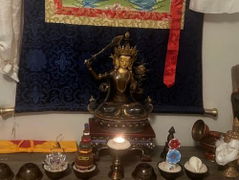
Often depicted serenely with a white complexion, Vajrasattva signifies purity and clarity. In a meditative posture, he holds a bell (ghanta) in his left hand, symbolizing the union of compassion and wisdom, and a vajra (indestructible thunderbolt) in his right hand, close to his heart. His crown bears emblems of the five Buddha families, representing the transformation of the five poisons into the five wisdoms.
Vajrasattva's white color signifies his ability to dispel negativity, ignorance, and delusion. Often accompanied by Vajragarvi, his consort, this symbolizes the integration of wisdom and skillful means in the purification process.
Associated Stories and Beliefs:
The Vajrayana tradition emphasizes Vajrasattva practice, especially in deity yoga and purification rituals. This practice involves visualizations, confessing negative actions, and reciting the Vajrasattva mantra, which is familiar to many practitioners:
"Om Vajrasattva Hum."
Repeated mantra recitation is believed to cleanse the mind of impurities and purify negative karma. Vajrasattva meditation involves practitioners envisioning themselves as Vajrasattva, surrounded by a sphere of white light, engaging in purification and confession.
Integrated into rituals, initiations, and empowerments, the Vajrasattva practice in Vajrayana Buddhism is crucial for overcoming obstacles, undoing the effects of harmful deeds, and revitalizing one's spiritual journey.
Vajrasattva, the Purifier of Negativities, holds prominence in Vajrayana Buddhism, particularly within Tibetan Buddhist traditions. His significance lies in dispelling obscurations and negative karma, allowing practitioners to progress with mental clarity and purity. The practice underscores the transformative potential of purification, confession, and the restoration of innate compassion and wisdom.