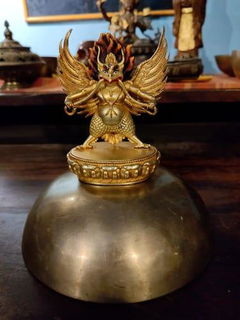
Handmade Vairocana Buddha Handcrafted Statue | Tibetan Enlightenment Art
Choose your option


Vairocana Cosmic Buddha Statue | Tibetan Enlightenment Sculpture
Choose your option


Oxidized Copper Statue of Vairocana | The Cosmic Buddha
Choose your option


Buddha Vairocana Oxidized Statue | Embodiment of Universal Enlightenment
Choose your option


Oxidized Copper handmade Vairocana Sculpture: Cosmic Buddha
Choose your option


Vairocana Buddha in Oxidized Copper Statue | Symbol of Cosmic Wisdom and Purity
Choose your option


Vairocana, Enlightened Mind Symbol | One of the Five Dhyani Buddhas
Choose your option


Copper Vairocana Statue | Enlightenment and Wisdom
Choose your option


Vajrayana Deity Vairocana | Buddha of Light and Emptiness
Choose your option


Vairochana Buddha Sculpture | Symbol of Enlightenment
Choose your option


Golden Cosmic Buddha Vairocana Statue | Buddhist Spiritual Artwork
Choose your option


Cosmic Buddha Vairocana Art | Dharmakaya Buddha
Choose your option


Copper Vairocana Statue | Symbol of Enlightenment and Wisdom
Choose your option


Statue of Vairocana | Cosmic Buddha Statue
Choose your option


Sacred Vairochana Statue | Tibetan Buddhist Enlightenment Deity
Choose your option


Vairochana Buddha Statue | Handcrafted Emblem of Enlightenment
Choose your option


Tibetan Primordial Buddha Vairocana Statue | Symbol of Infinite Wisdom & Blessings
Choose your option


Vairocana Oxidized Statue | Embodiment of Cosmic Wisdom
Choose your option


Vairocana Bouddha in Oxidized Copper | Enlightenment Art From Nepal
Choose your option


Vairocana Buddha Amber Statue | Spiritual Altar Decor
Choose your option
Buddha: The Enlightened One
Background and Significance: Siddhartha Gautama stands at the heart of Buddhism, the Buddha, whose life and teachings have left an enduring mark on society. Born in Lumbini, Nepal, during the sixth century BCE, Siddhartha hailed from royalty. Still, he chose to forsake his opulent existence in search of a solution to the profound suffering he witnessed around him.
Beneath the Bodhi tree in Bodh Gaya, he attained enlightenment after years of spiritual exploration and meditation, emerging as the Buddha, often referred to as "the enlightened one" or "the awakened one."
The Buddha's significance lies in his role as the foremost teacher of Buddhism's fundamental principles and as its founder. His teachings, known as the Dharma, provide:
Guidance on the path to Nirvana
- The ultimate state of tranquility and enlightenment
- Offering liberation from suffering
- The life of the Buddha serves as an inspirational lesson in spiritual enlightenment and personal growth.
Attributes and Iconography: Typically, the Buddha is depicted as a serene figure in a meditative posture, with his right hand forming the "Bhumisparsha Mudra," or "earth-touching gesture," symbolizing his attainment of enlightenment and victory over delusion. His elongated earlobes harken to his princely origins, while his shaven head represents his renunciation of material attachments. The Buddha's half-closed eyes emanate a sense of serenity and inner focus.
Associated Stories and Beliefs: The life of Siddhartha Gautama, from his birth to his eventual entry into Parinirvana, is rich with narratives and teachings that underpin Buddhist doctrine and practice. The foundation of Buddhist philosophy lies in his articulation of the Four Noble Truths, which elucidate the nature of suffering and the means to transcend it.
Siddhartha's pursuit of enlightenment was ignited by the story of his encounters with the Four Sights: an older adult, an ailing individual, a deceased person, and a wandering ascetic. This narrative exemplifies the Buddha's profound compassion for human suffering and determination to uncover a path to alleviate it.
The Jataka tales, containing accounts of the Buddha's past lives, convey moral lessons and reveal his unwavering commitment to altruism and compassion. These stories further enrich Buddhist teachings and serve as inspiration for practitioners seeking enlightenment and personal growth.