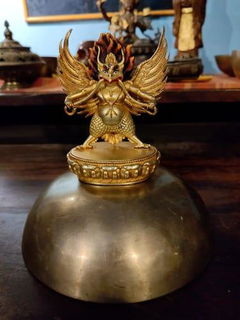
Lord Ganesha Statue | Traditional handcrafted Brass Sculpture
Regular price
$344.00
Sale price
Regular price
$0.00
Choose your option


Ganesha Mantra Practice Statue | Traditionally Hand-crafted Sculpture
Regular price
$223.00
Sale price
Regular price
$0.00
Choose your option


Lord Shiva and Family Statue | Himalayan Art Work
Regular price
$867.00
Sale price
Regular price
$0.00
Choose your option


Varahi Statue: The Sacred Symbol of Strength and Victory
Regular price
$1,385.00
Sale price
Regular price
$0.00
Choose your option


Shri Ganesha Statue | Copper Body Sculpture
Regular price
$499.00
Sale price
Regular price
$0.00
Choose your option


Statue of Ganesha | Himalayan Art
Regular price
$516.00
Sale price
Regular price
$0.00
Choose your option


Statue for Ganesh Aarti | Himalyan Art Work
Regular price
$420.00
Sale price
Regular price
$0.00
Choose your option


Traditionally Crafted Nataraj Shiva Statue | Hindu God Of Destruction, Lord Shiva Manifestation
Regular price
$939.00
Sale price
Regular price
$0.00
Choose your option


Antique Style Carved Ganesh Statue | Copper Body Sculpture
Regular price
$317.00
Sale price
Regular price
$0.00
Choose your option
Hindu Deities in Buddhism: Bridging Cultures and Spiritual Synthesis
In Buddhism, incorporating Hindu deities is common, particularly in Tibetan Buddhism. This phenomenon can be traced back to historical and cultural interactions between Buddhism and Hinduism, especially in regions where the two coexisted.
Critical Insights into the Presence of Hindu Deities in Buddhism:
- Cultural Exchange: Historically rich areas like Nepal, India, and Tibet have witnessed extensive cultural and religious exchanges between Hinduism and Buddhism. These interactions have led to the integration of Hindu deities into Buddhist traditions.
- Syncretism: The blending of various religious traditions is a recurring theme, with specific Hindu deities adopting Buddhist imagery or characteristics in certain contexts. Notably, deities like Vishnu and Shiva in Hinduism may take on new forms as Buddhist goddesses.
- Esoteric Buddhism: Especially prevalent in Tibetan Buddhism, the esoteric or Vajrayana branch incorporates a diverse array of deities, both Buddhist and non-Buddhist, into its rituals. These deities serve as objects of meditation and devotion, representing enlightened qualities.
- Diverse Belief Systems: Within Buddhism, various attitudes toward Hindu deities exist. While some Buddhists may revere these deities, others may not, reflecting the varied practices and beliefs within Buddhist traditions and schools.
- Symbolism and Allegory: In Buddhist contexts, Hindu deities may not be perceived as independent entities but as symbolic or metaphorical representations of specific spiritual attributes or principles. For example, Shiva, associated with transformation, can be reinterpreted as Mahakala in Buddhism, symbolizing triumph over adversity.
- Interpretive Comparisons: Buddhist aspects linked to compassion and salvation may be symbolically likened to Vishnu, a Hindu deity known for preservation. This illustrates the adaptability of Buddhism to incorporate diverse cultural and religious elements.