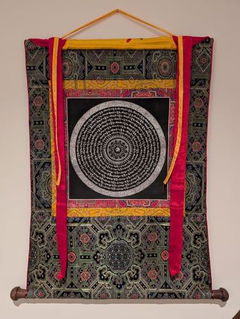
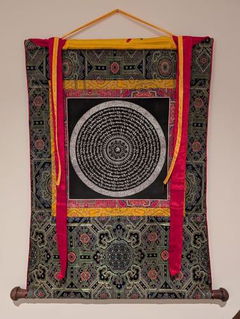
1000 Armed Chenrezig Deity Statue | Avalokiteshvara Buddhist Deity
Choose your option


Himalayan 1000-Armed Chenrezig Sculpture | Symbol of Infinite Compassion
Choose your option


Thousand-Armed Chenrezig Sculpture | Symbol of Compassion
Choose your option


Traditional Thousand-Armed Chenrezig Statue | 1000 Arms Bodhisattva Artwork
Choose your option


Thousand Armed Chenrezig Statue | Tibetan Avalokiteshvara Sculpture
Choose your option


Handmade 1000-Armed Chenrezig Statue | Tibetan Avalokiteshvara Bodhisattva Sculpture
Choose your option


Tibetan Thousand-Armed Chenrezig Statue | Buddhist Altar Decor
Choose your option


Sacred Thousand-Armed Chenrezig Statue | Gold-Plated Buddhist Art
Choose your option


1000-armed-Chenrezig-Statue-for-Altar | Silver-Plated Tibetan Deity
Choose your option


Handmade 1000 Armed Chenrezig Statue | Tibetan Avalokiteshvara Bodhisattva Figurine
Choose your option


1000-Armed Chenrezig Bodhisattva Statue | Bodhisattva Avalokiteshvara Statue
Choose your option


Traditional 1000 Armed Chenrezig Statue | Symbol of Infinite Compassion
Choose your option


1000-Armed Avalokiteshvara Statue | Tibetan Artwork
Choose your option


1000 Armed Chenrezig Statue | Embodiment of Infinite Compassion
Choose your option


1000-armed-Chenrezig-of-Compassion Statue | Copper Body with 24K Gold Plating
Choose your option


Handcrafted 1000 Armed Buddhist Chenrezig Statue | Compassionate Deity of Healing
Choose your option


Statue of 1000 Armed Chenrezig | Himalayan Treasure of Nepal
Choose your option


Nepalese Thousand Armed Chenrezig Statue | Avalokiteshvara Buddhist Art
Choose your option


Thousand Armed Chenrezig Copper Statue | Gold Plated Avalokiteshvara
Choose your option


Thousand Armed Chenrezig Statue | Spiritual Buddhist Art
Choose your option
Bodhisattva: Compassionate Beings on the Path to Enlightenment
Background and Significance:
In the context of Mahayana Buddhism, the Bodhisattva represents the compassionate embodiment of a selfless commitment to the well-being of all sentient beings. The term "Bodhisattva" is derived from the Sanskrit words "bodhi," signifying enlightenment, and "sattva," meaning conscious being. Early Mahayana texts, such as the Mahayana Sutras, emphasized the aspiration to become a Buddha to liberate others, which is the foundational concept of the Bodhisattva.
According to Mahayana Buddhism, a Bodhisattva is an enlightened being who postpones their entry into Nirvana, the ultimate state of liberation, to assist others on their spiritual journey. This ideal is defined by a generous dedication to the welfare of all sentient beings, greatly influencing Buddhist ethics and practice.
Attributes and Iconography:
Bodhisattvas are often depicted with specific characteristics and symbols that distinguish them. Although there are numerous Bodhisattvas in Mahayana Buddhism, one of the most renowned is Avalokiteshvara, who is celebrated for boundless compassion. Avalokiteshvara is often portrayed with a thousand arms, each bearing an eye in the palm, symbolizing vigilant care over the world's suffering. This image signifies the Bodhisattva's capacity to perceive and tend to the needs of countless beings simultaneously.
Manjushri is another well-known Bodhisattva associated with wisdom and knowledge. Manjushri is commonly depicted wielding a sword that cuts through ignorance, representing the power of wisdom to dispel the darkness of illusion. Such imagery underscores the significance of understanding in attaining enlightenment.
Associated Stories and Beliefs:
Jataka tales, a collection of narratives recounting the Buddha's previous lives, often feature Bodhisattvas in diverse roles. These stories provide moral lessons to inspire practitioners on their path to enlightenment and exemplify the Bodhisattva's unwavering commitment to serving others.
Through prominent figures like Avalokiteshvara and Manjushri, Bodhisattvas embody essential virtues of compassion and wisdom. These stories and beliefs, as found in the Jataka tales and the life of Prince Siddhartha, offer profound inspiration to Buddhists seeking to cultivate selflessness and wisdom in their own lives. Ultimately, the Bodhisattva ideal encapsulates the core principles of Mahayana Buddhism, motivating followers to pursue enlightenment while aiding others on their spiritual journey.