


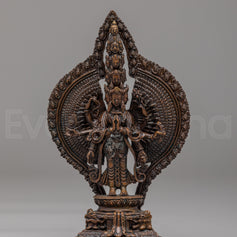
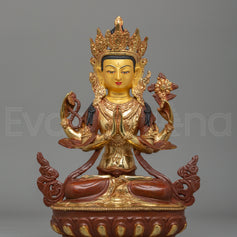
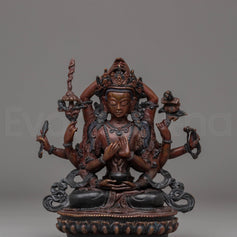
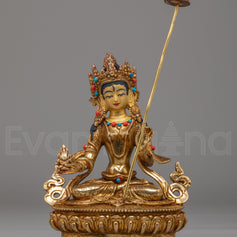
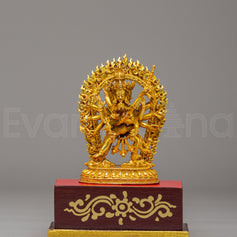

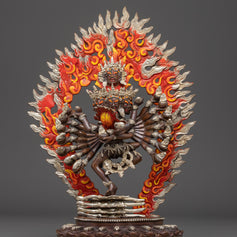
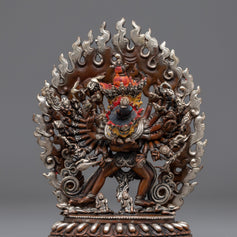
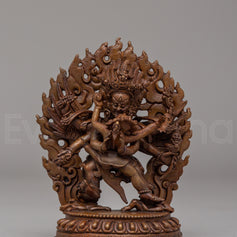









Spiritual Altar Kadampa Stupa | Symbol of Enlightenment

100% AUTHENTIC

HANDMADE

FREE SHIPPING
Couldn't load pickup availability
Spiritual Altar Kadampa Stupa for Meditation and Rituals
------------------------------------------------
Size: 20cm(Height) x 9cm(Length) x 9cm(Width)
Weight: 0.82 kg
Materials: Acrylic Color, Oxidized Copper Body
------------------------------------------------
About Our Product
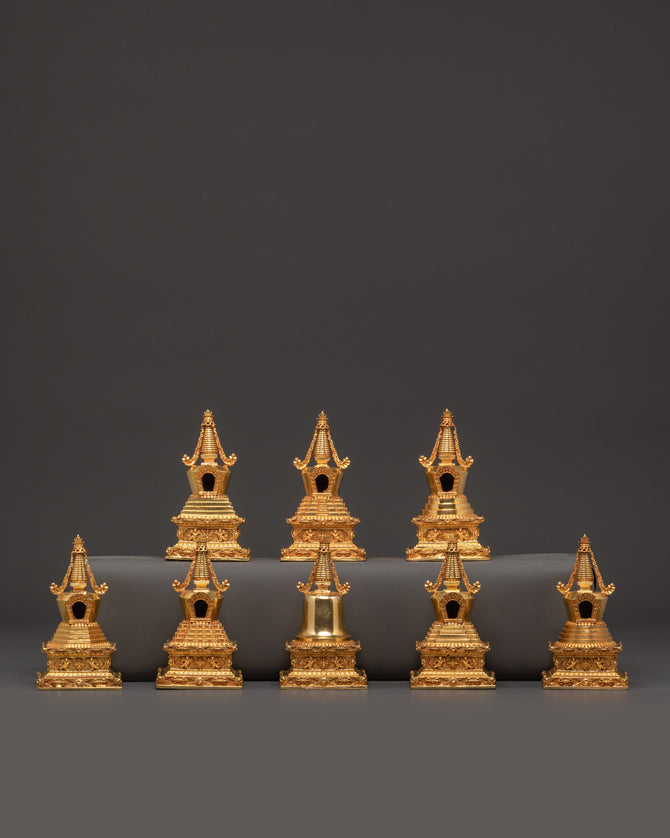
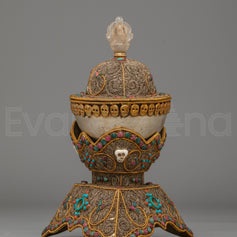
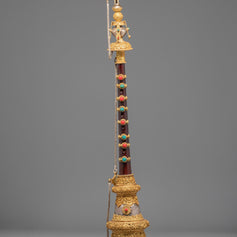
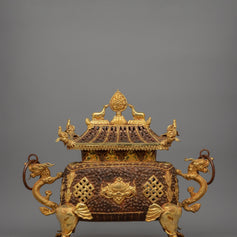
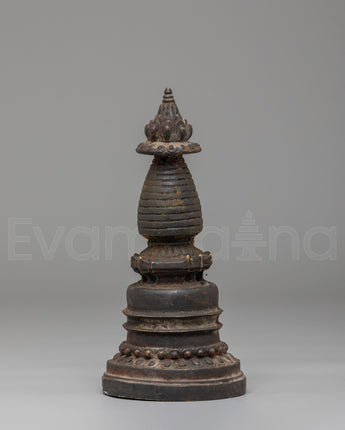
This Spiritual Altar Kadampa Stupa is a finely crafted sacred object made from oxidized copper and enhanced with subtle acrylic coloring. Measuring 20 cm in height and 9 cm in both length and width, and weighing 0.82 kg, it is ideal for placement on altars, meditation spaces, or personal sacred collections. Its traditional design and solemn presence make it a meaningful centerpiece for devotion and spiritual practice.
The stupa features a classic Kadampa form with a tiered, bell-shaped body resting on a lotus base, symbolizing purity and the unfolding of spiritual wisdom. The pinnacle is adorned with finely detailed finials, and the entire surface shows the natural textures of oxidized copper combined with hand-applied acrylic highlights. Each tier is carefully proportioned to reflect traditional Tibetan Buddhist stupa architecture, emphasizing balance, sacred geometry, and symbolic representation of enlightenment and the five elements.
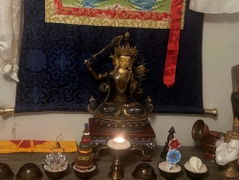
In Buddhist practice, a Kadampa stupa represents the path to enlightenment, the accumulation of merit, and the offering of devotion. Displaying it in an altar or meditation area fosters mindfulness, spiritual focus, and reverence for sacred teachings. Its durable copper construction, symbolic form, and subtle artistic detailing make it suitable for ritual use, meditation practice, or as a devotional gift, embodying both spiritual significance and cultural heritage.
Introduction of Stupa
Before Buddhism, great teachers were buried in mounds. Some were cremated, but sometimes they were buried in a seated, meditative position. The mound of earth covered them up. Thus, the domed shape of the stupa came to represent a person seated in meditation, much as the Buddha was when he achieved Enlightenment and knowledge of the Four Noble Truths. The base of the stupa represents his crossed legs as he sat in a meditative pose. The middle portion is the Buddha’s body, and the top of the mound, where a pole rises from the apex surrounded by a small fence, represents his head. Before images of the human Buddha were created, reliefs often depicted practitioners demonstrating devotion to a stupa.