



















Himalayan Sacred Stupa | Buddhist Symbol of Enlightenment

100% AUTHENTIC

HANDMADE

FREE SHIPPING
Couldn't load pickup availability
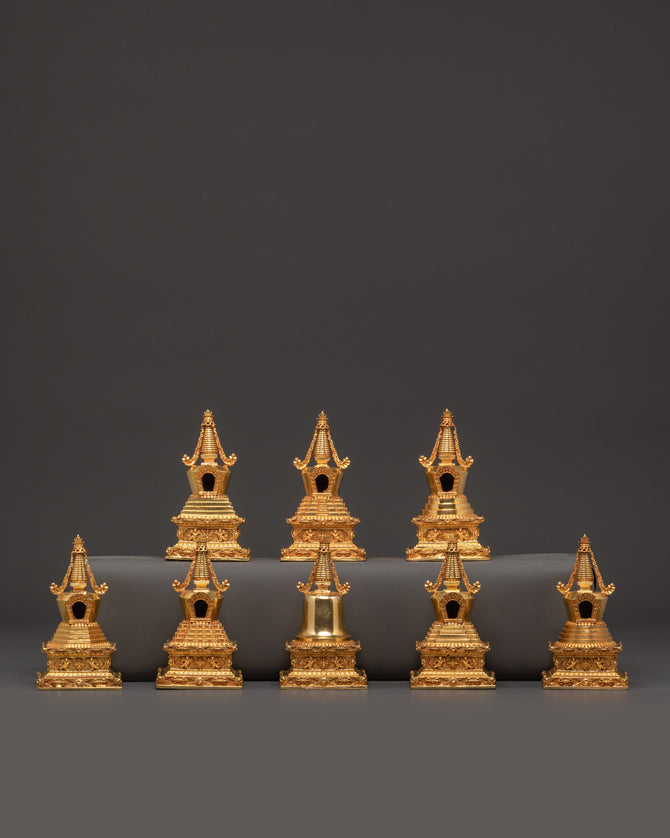
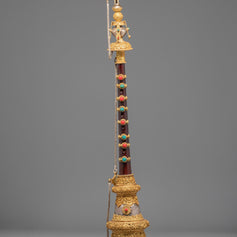
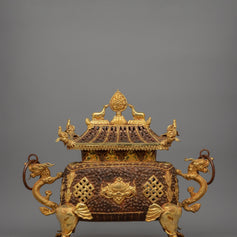
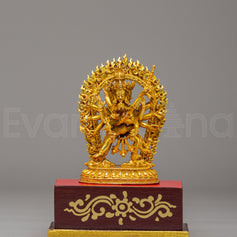
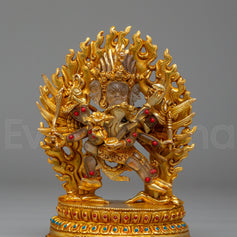
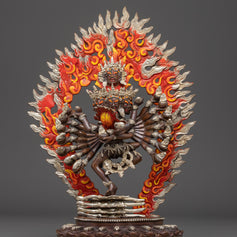
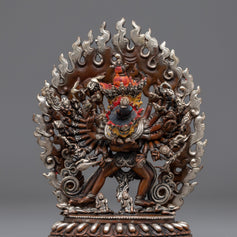
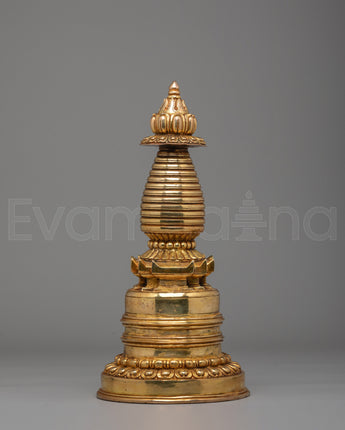
Himalayan Sacred Stupa | Handcrafted Tibetan Stupa for Altar
------------------------------------------------
Size: 33.5cm(Height) x 16cm(Width)
Weight: 2.4 kg
Materials: Copper Body, Gold Plated
------------------------------------------------
About Our Product
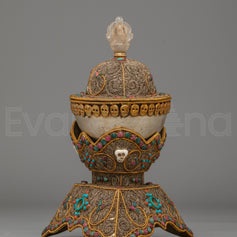
This Himalayan Sacred Stupa is a beautiful representation of Tibetan Buddhist art, meticulously handcrafted from copper and gold-plated for a radiant finish. The stupa is one of the most sacred symbols in Tibetan Buddhism, symbolizing the path to enlightenment and the presence of the Buddha's teachings. The stupa's design is intricate, with finely etched details and a golden hue that enhances its spiritual energy. This sacred object is used in Tibetan rituals and is believed to bring blessings, protection, and spiritual elevation to those who revere it.
The design of this Himalayan Sacred Stupa features a beautifully shaped structure that represents the Buddha’s teachings and the enlightened mind. The conical shape symbolizes the turning of the wheel of Dharma, and the multi-tiered base reflects the different stages of spiritual development. The gold-plated exterior adds a divine aura to the stupa, making it not just a spiritual object but also a visually captivating centerpiece. This stupa serves as a constant reminder of the Buddha's wisdom and the transformative power of meditation and spiritual practice.
This Sacred Stupa is ideal for those seeking to deepen their Tibetan Buddhist practice or add a meaningful spiritual symbol to their home or altar. Its elegance and deep spiritual significance make it a powerful addition to meditation rooms, sacred spaces, or Buddhist collections. Whether used for ritual purposes or as a decorative piece, this stupa offers both beauty and protection to those who honor the teachings of Tibetan Buddhism.
Introduction of Stupa
Prior to Buddhism, great teachers were interred in mounds. While some were cremated, others were buried in a seated, meditative posture, covered by an earth mound. Consequently, the domed shape of the stupa evolved to symbolize a person seated in meditation, mirroring the Buddha's posture upon attaining Enlightenment and understanding the Four Noble Truths. The base of the stupa represents his crossed legs in meditation, the middle section signifies the Buddha’s body, and the top of the mound, featuring a pole rising from the apex surrounded by a small fence, symbolizes his head. Before human images of the Buddha were created, reliefs often depicted practitioners showing devotion to a stupa.