











Essential Buddhist Healing Tools: A Complete Guide for Beginners
For over 2,500 years, Buddhist practitioners across Tibet, Nepal, India, Japan, and Southeast Asia have used sacred tools to support healing of mind, body, and spirit. Having passed down from generation to generations, each of these healing tools has its own spiritual significance and ritual application. Mostly hand crafted, these ritual tools are made with an intention to assist the practioners develop a focused habit to train their mind. In Buddhism, healing does not begin externally; it begins within the mind itself. These sacred tools act as bridges between the ordinary and the contemplative, helping practitioners return to awareness and reconnect with the present moment.
Either you are a long-term meditator or someone new to meditation, knowing what each tool represents can make a huge difference in your daily life and in your meditational practice. These tools are mostly used to train the mind and purify the negativity. Often called as a “skillful means” (upaya), to develop a state of compassion and equanimity, these tools helps practioners anchor their intention and practice upon root cause of sufferings. As Buddhism teaches that suffering arises from the mind, the healing must begin from mind too. These tools helps practitioners anchor their thought and introspect on themself and clear the energy blockages and bring the inner stillness.
Mala Beads: Traditional 108 Beads Garlands for Meditation, Prayer, and Mindfulness

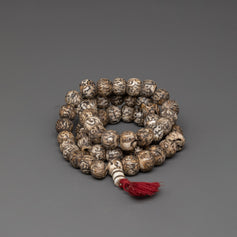
Mala beads, or japamalas, are sacred strings comprising 108 beads commonly utilized in Buddhist, Hindu, and Himalayan practices for meditation and mantra recitation. The term "mala" derives from Sanskrit, meaning "garland." These beads assist practitioners in counting their mantras, prayers, or breaths, enabling focused meditation. Each bead symbolizes a moment of awareness and a step toward enlightenment. The number 108 holds significant spiritual meaning, reflecting earthly desires to be overcome, deities names, and volumes of the Tibetan Buddhist canon (Kangyur). A traditional mala features a larger guru bead, denoting the start and end of meditation rounds, often adorned with a tassel.
Types of Mala Beads and Their Healing Properties
Different materials carry different energetic and healing qualities:
- Rudraksha seeds: One of the most sacred materials in Himalayan Buddhism. Believed to calm the nervous system, reduce stress, and protect the wearer. Associated with Shiva and used widely by Tibetan monks.
- Bodhi seed: Made from the seeds of the sacred fig tree, the same species under which the Buddha attained enlightenment. Used for clarity, wisdom, and deepening meditation.
- Lotus seed: Symbolizes purity and spiritual awakening. Used for purification practices and overcoming obstacles.
- Rose quartz: Associated with heart-opening, compassion, and emotional healing. Ideal for loving-kindness (metta) meditation.
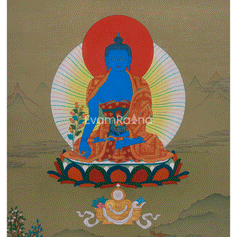
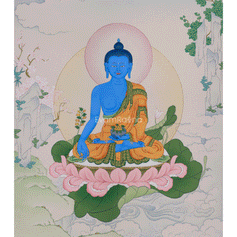
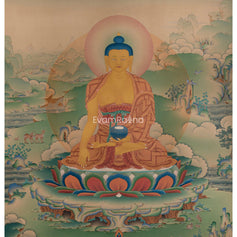
- Lapis lazuli: Connected to the Medicine Buddha (Sangye Menla), the deep blue deity of healing. Used for healing rituals and physical well-being.
- Turquoise: Revered in Tibetan culture as a stone of protection and longevity.
- Sandalwood: Calming and grounding, with a naturally soothing fragrance that enhances meditation.
- Black obsidian: Used for protection and releasing negative energy.
- Brown Tiger Eye Beads: Enhances confidence, willpower, and mental clarity while reducing anxiety.
How to Use Mala Beads for Meditation and Mantra
- Hold the mala in your right hand, draped over the middle finger.
- Use your thumb to move one bead at a time toward you with each recitation of a mantra.
- Avoid using the index finger (associated with the ego in some traditions).
- When you reach the guru bead, do not cross over it; instead, reverse direction and begin again.
- Common mantras include Om Mani Padme Hum (the mantra of compassion), Om Tare Tuttare Ture Soha (Green Tara's mantra), and Tayata Om Bekanze (Medicine Buddha mantra).
Read More About How to Choose the Right Jap Mala for Your Spiritual Practice
Singing Bowl: Sound Healing Through Sacred Vibration

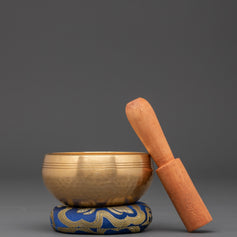
A Tibetan singing bowl, or Himalayan singing bowl, is a sacred instrument used in Buddhist meditation and spiritual ceremonies throughout Nepal, Tibet, and the Himalayas. When struck or circled with a mallet, it produces calming vibrations and resonant tones that aid in meditation. Traditionally made from metal alloys, these bowls have served as tools for mindfulness and spiritual healing for centuries. The sound symbolizes emptiness, awareness, and interconnectedness, with vibrations felt throughout the body, promoting relaxation and focused awareness. Today, they are commonly used in meditation, yoga, sound therapy, and chakra healing worldwide.
How Singing Bowls Heal the Mind and Body
Singing bowls are believed to heal through sound vibration and resonance. When the bowl vibrates, it produces harmonic frequencies that help calm the nervous system, quiet mental chatter, and encourage deep relaxation. Many practitioners use singing bowls to reduce stress, anxiety, emotional tension, and mental fatigue. The long, layered tones naturally guide the brain into slower alpha and theta brainwave states often associated with meditation, clarity, and inner stillness.
In chakra healing practices, different bowl frequencies are believed to correspond to different energy centers within the body. Lower, deeper tones are often associated with grounding and stability, while higher tones are connected to intuition, clarity, and spiritual awareness. Practitioners place bowls near specific parts of the body or around the meditation space to help restore energetic balance and emotional harmony. While modern science continues to study sound therapy, many people experience singing bowls as deeply calming tools that support mindfulness, emotional healing, and spiritual well-being.
Types of Singing Bowls (Tibetan vs. Crystal)
- Handmade Tibetan singing bowls: Hand-hammered from metal alloys, these produce warm, complex, multi-tonal sounds. No two are identical. Their imperfection is part of their beauty and power. Antique bowls from Nepal carry a particularly deep resonance.
- Machine-made metal bowls: More affordable and consistent in tone, but generally lack the layered harmonic complexity of handmade bowls.
- Crystal singing bowls: Made from pure quartz crystal, these produce a clear, piercing, sustained tone. Often tuned to specific musical notes corresponding to the chakras. Very powerful for energy work and sound baths.
How to Play a Singing Bowl
Striking method: Hold the bowl in your palm (not gripping it). Strike the bowl's rim or side gently with the padded end of the mallet. Allow the tone to resonate fully before striking again.
Rimming method: Apply gentle, even pressure to the mallet along the outer rim of the bowl and move in slow, steady circles. Maintain consistent speed and pressure. After a few rotations, the bowl will begin to "sing": producing a continuous, sustained tone.
Start with shorter sessions (5 -10 minutes) and gradually extend as you become comfortable with the sound and vibration.
Read More About Singing Bowls for Chakra Healing: Everything You Need to Know
Prayer Wheel: Spinning Blessings for Spiritual Healing

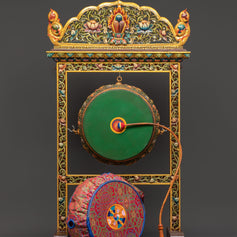
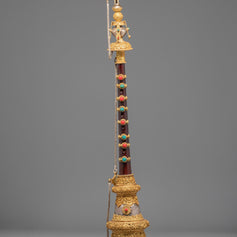
A prayer wheel is a sacred Buddhist ritual object widely used in Tibetan Vajrayana Buddhism for meditation, mindfulness, and mantra practice. Traditionally called a Mani Wheel, it is a cylindrical wheel mounted on a spindle and filled with tightly rolled sacred mantras, most commonly Om Mani Padme Hum, the mantra of compassion associated with Avalokiteshvara. Practitioners spin the wheel clockwise while focusing their mind on compassion, healing, and positive intention. In Tibetan Buddhist belief, spinning the prayer wheel carries the same spiritual benefit as verbally reciting the mantra thousands of times.
How the Prayer Wheel Works for Healing
In Buddhist tradition, healing begins with the mind. The prayer wheel works as a form of moving meditation, combining physical movement, sacred sound, mantra, and intention into one mindful practice. As the wheel spins, practitioners focus on compassion, calmness, and positive thoughts, allowing the repetitive motion to settle mental distraction and emotional tension.
The sacred mantras contained inside the wheel are believed to radiate blessings into the environment with every rotation. Many practitioners believe this practice helps purify negative karma, reduce stress, and generate healing energy for oneself and others. The rhythmic spinning of the wheel also creates a meditative state similar to mantra chanting or breath meditation, helping calm the nervous system and deepen concentration. Every spin becomes an act of compassion, mindfulness, and healing intention, transforming ordinary movement into sacred practice.
Hand-Held vs. Monastery Prayer Wheels
Hand-Held Prayer Wheels
- Hand-held prayer wheels are portable instruments used for personal spiritual practice.
- These wheels are typically made from materials like copper, brass, silver, or wood and contain printed mantra scrolls.
- Practitioners use them during meditation, pilgrimage, kora (circumambulation), or daily prayers.
- They enhance mindfulness practices by allowing spiritual focus on the go.
- Particularly favored by Tibetan Buddhists, they foster a personal connection between movement, mantra, and awareness.
- Many users place them on home altars as symbols of compassion and spiritual intention.
Monastery Prayer Wheels
- Large monastery prayer wheels are significantly larger and typically situated in temple corridors, monasteries, stupas, or pilgrimage routes like Boudhanath Stupa.
- Some of these wheels require multiple people to turn, while others are operated by natural elements such as water, fire, or wind.
- They often contain millions of printed mantras within them.
- Spinning the wheels clockwise while walking beside them is regarded as an act of devotion and a way to accumulate merit.
- The sound of these spinning wheels is an integral part of the spiritual atmosphere in regions like Tibet and Nepal.
How to Use a Prayer Wheel Correctly
Using a prayer wheel is simple, but the practice is rooted in mindfulness and intention.
- Hold the Wheel Respectfully: Hold the prayer wheel gently by its handle, usually in the right hand. Keep your mind calm and focused before beginning the practice.
- Spin Clockwise: Always rotate the wheel clockwise, following the traditional direction used in Buddhist circumambulation and mantra practice. The wheel should spin smoothly and mindfully rather than aggressively or carelessly.
- Recite or Focus on Mantras: Many practitioners recite Om Mani Padme Hum while spinning the wheel, though silent mindfulness and compassionate intention are also common. The combination of mantra, movement, and awareness creates the meditative effect of the practice.
- Dedicate the Merit: At the end of the practice, practitioners traditionally dedicate the positive merit generated by the prayer wheel to the well-being and liberation of all sentient beings. Many Tibetans conclude with the mantra Om Ah Hum three times.
Through consistent practice, the prayer wheel becomes more than an object; it becomes a daily reminder to return to compassion, mindfulness, and inner balance.
Read More About Prayer Wheels: An Everlasting Instrument for Mindfulness and Meditation
Incense Burner: Purification, Aroma, and Sacred Space

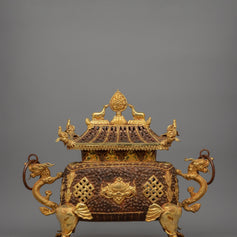
An incense burner, or censer, is a sacred vessel used in various spiritual practices, particularly within Tibetan and Himalayan Buddhism. It transforms the act of burning incense into an offering of mindfulness and devotion, with the smoke symbolizing prayers and blessings. Typically handmade from materials like brass or silver, these burners feature sacred motifs, such as lotus flowers and dragons, embodying spiritual significance. They contribute to a tranquil atmosphere, fostering meditation and inner stillness in both monasteries and homes. In monasteries and homes, it creates a tranquil and respectful atmosphere that helps to cultivate a sense of meditation and inner stillness.
The Role of Incense in Buddhist Healing
Incense has been integral to Buddhist ritual since the earliest days of the tradition. In Sanskrit, the offering of incense is called dhūpa, one of the six traditional offerings made at a Buddhist altar (alongside flowers, water, light, food, and music). The rising smoke is a symbol of prayers ascending to the heavens, purifying the surrounding space of negative energies, and inviting the presence of enlightened beings.
From a healing standpoint, Buddhist monasteries have long understood what modern aromatherapy has confirmed: certain plant-based aromas directly influence the nervous system, mood, and cognitive clarity.
Types of Buddhist Incense and Their Benefits
- Sandalwood: The most universally used incense in Buddhism. Calming, grounding, and cooling. Supports concentration in meditation and reduces mental agitation.
- Juniper: Traditional in Tibetan Buddhist sang (smoke offering) ceremonies. Used for purification and clearing negative energies from space and mind.
- Nag Champa: A blend of sandalwood and champak flowers widely used across Buddhist and Hindu traditions. Elevating and spiritually clarifying.
- Frankincense: Used in Himalayan healing rituals for its deeply purifying and meditative qualities. Known to reduce anxiety and elevate mood.
- Tibetan monastery blends: Traditional formulas often contain 30 or more ingredients, including herbs, spices, medicinal plants, and precious substances like saffron, cardamom, and clove. These blends are crafted according to Tibetan medical principles.
- Aloeswood (Agarwood): One of the most prized incense materials in East Asian Buddhism. Used for grounding, spiritual clarity, and as an offering to the Buddha.
How to Use an Incense Burner in Daily Practice
Place your incense burner on a stable, heat-safe surface, ideally on your altar or meditation table. Light the incense and allow the flame to catch briefly before gently blowing it out, letting the ember smolder. Set an intention as you light the incense: purification, healing, compassion, peace. Allow the fragrance and rising smoke to signal to your mind that sacred time has begun. In many traditions, the lighting of incense officially opens the meditation session.
Read More About Tibetan Incense Burners: Forms, Uses, and Sacred Symbolism
Tingsha: Healing Bells for Clearing Energy

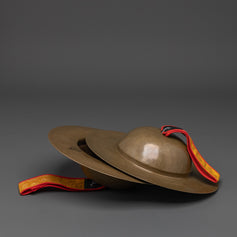
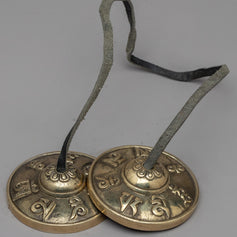
Tingsha are small metal cymbals connected by a leather or cotton strap, traditionally handcrafted from bronze or sacred metal alloys in Tibet and Nepal. When gently struck together, they produce a clear, lingering tone that cuts through distraction and creates an immediate sense of stillness. Used in Tibetan Buddhist practices, Tingsha mark the beginning and end of meditation, accompany chanting, and purify spaces. Often engraved with sacred symbols and mantras, their sound is thought to enhance awareness and compassion, serving as a connection between sound and spiritual mindfulness.
Healing Uses of Tingsha in Buddhism
In Buddhist healing traditions, sound is understood as a powerful force that can influence both the mind and the energetic atmosphere around us. The sharp, pure tone of Tingsha cymbals is believed to clear negative energy, calm mental agitation, and restore balance within the body and mind. Their vibration helps practitioners shift attention away from distraction and into a more focused, meditative state.
- Space clearing: The sharp, clear tone of the tingsha is believed to break up stagnant or negative energetic patterns in a room. Many Buddhist healers and teachers use tingsha to clear a space before beginning a healing session.
- Opening and closing meditation: The tone acts as a threshold sound, signaling the mind to shift from ordinary activity into meditative awareness.
- Sound healing sessions: Practitioners strike tingsha above and around the body of a recipient, using the sustained tone to clear energetic blockages.
- Grounding after deep practice: After deep visualization or trance-like meditation, tingsha brings the practitioner gently back to ordinary waking awareness.
How to Use Tingsha in Meditation
Hold one cymbal in each hand by the cord. Strike them together at their edges at a slight angle, not flat against flat, but edge to edge. Allow them to separate immediately after striking so the tone can ring freely without being dampened. Listen to the tone until it fully fades before striking again. Three rings of tingsha traditionally open and close a meditation session in Tibetan practice.
Read More About Tibetan Tingsha Bells: Sacred Sounds for Spiritual Awakening
Conclusion:
Buddhist healing tools are not quick fixes or spiritual accessories. They are companions on a lifelong path of inner cultivation. A mala held in daily meditation for ten years becomes something different from what it was when you first strung it on your wrist. A singing bowl played with genuine intention carries something that a bowl played once or twice does not.
The true healing these tools offer is not found in the objects themselves, but in the quality of attention and intention you bring to them. They are bridges between the ordinary and the sacred, between the distracted mind and the stillness that was always there beneath the noise.
Explore many other beautiful spiritual items available in our Mother's Day Sale Collection


