




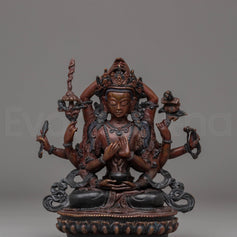
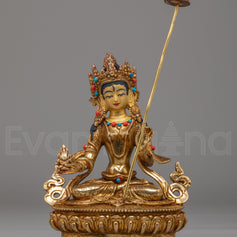
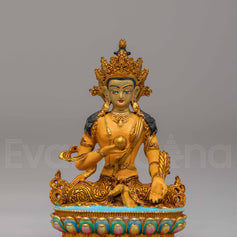
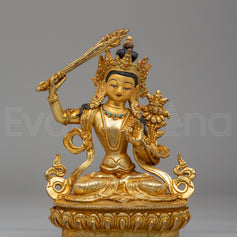
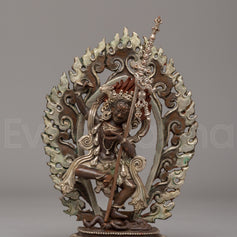
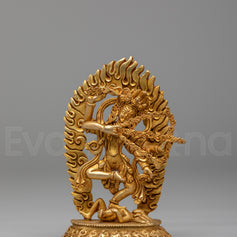
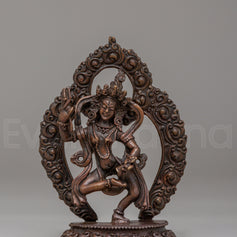
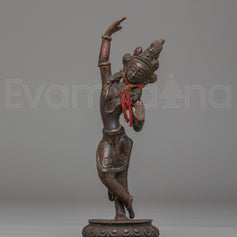







Bringing a Handcrafted Nepalese Statue into your Sacred Altar: Know The Process of Statue Making
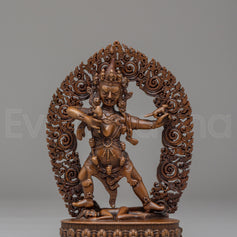
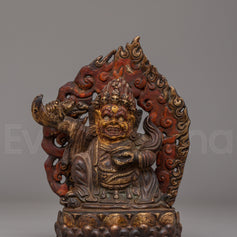
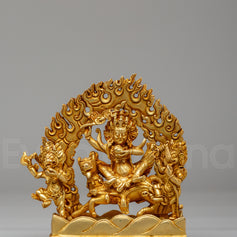
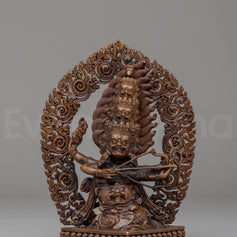
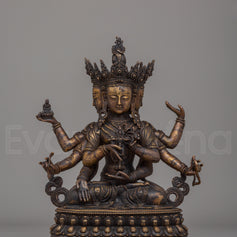
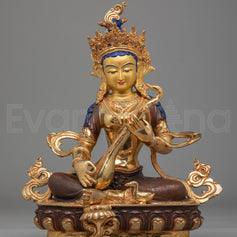
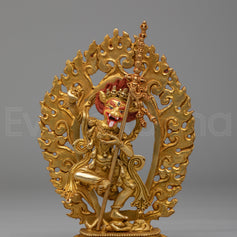
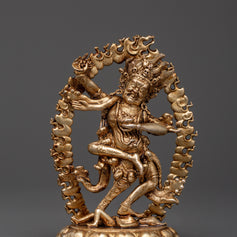
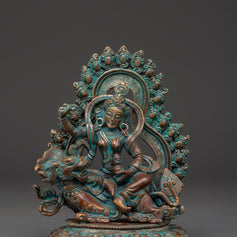
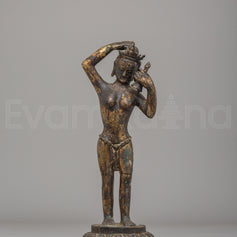
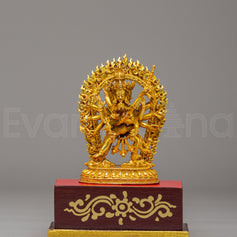
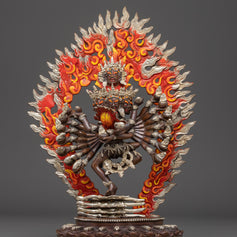
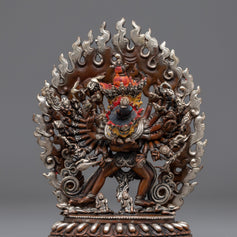
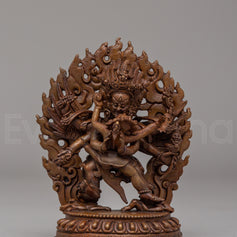
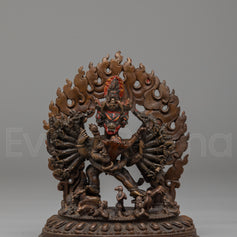
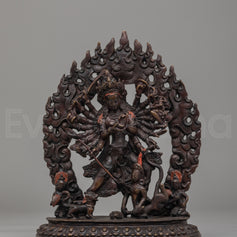
The authentic Nepalese statues are the treasures that represent one of the most refined and enduring forms of Himalayan spiritual art, a centuries-old tradition meticulously preserved by the Newar artisans of the Kathmandu Valley. Using the lost-wax casting process, these master craftsmen begin with intricate wax models, coat them in clay, and pour molten copper alloys to create hollow yet remarkably detailed religious icons of Buddhas, bodhisattvas, and deities revered in both Tibetan and Newari Buddhist traditions. For those seeking to bring a sacred presence of a Nepalese statue into their altar or spiritual practice, understanding this meticulous journey from the initial wax modeling and molten casting to the final ritual consecration is vital to appreciating the continuity between the visible craftsmanship and the unseen spiritual power these statues carry.
Introduction to Nepalese Statues

The creation of Buddhist and Hindu metal statues in Nepal is one of the oldest living craft traditions in the world. Practiced almost exclusively by the Newar people of the Kathmandu Valley and within that community, largely by families of the Shakya, Tamrakar, and Swarnakar artisan clans, this craft has been passed from father to son, generation after generation, for well over a thousand years. The earliest surviving examples of Newar metalwork date to the Licchavi period, roughly 400–750 CE, and the techniques used then are strikingly close to those used today.
Each statue is a unique, irreplaceable creation. A single piece can require weeks, sometimes months of skilled work by multiple specialist artisans, each dedicated to one stage of the process. And every detail, from the gesture of the hands to the arrangement of the crown, is governed by ancient canonical texts called Shilpashastra, which prescribe the exact proportions, postures, and ornamentation that each deity must carry.
For the Newar community, the creation of a statue is an act of profound religious devotion rather than a simple trade. This exclusive skill, inherited through generations, is governed by "holy laws" and ancient sacred texts, as artisans historically believed that sacred art must contain a divine essence (deva-atman). Every detail, from the iconographically correct proportions of a Buddha, Bodhisattva, or deity to the symbolic painting of the eyes at the very end, is designed to eventually "bring the statue to life". Ultimately, through ritual consecration performed by a master or priest, these metal figures undergo a transformation from a physical object to a sacred presence, imbuing the practitioner's altar or temple with genuine spiritual power.
What is the Lost-Wax Casting Process?

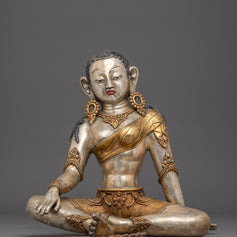
(Image from Rubin Museum)
The lost-wax casting process, called cire perdue in French and thajya in Newari, is one of the oldest metalworking techniques in human history. It has been used across cultures, from ancient West Africa to Bronze Age Greece, but nowhere has it been refined to the level of spiritual and artistic precision found in the Kathmandu Valley of Nepal.
The fundamental idea is elegantly simple: you sculpt an object in wax, coat it in clay to create a mold, then melt out the wax and replace it with molten metal. The result is a metal object that captures every detail the wax carried, every crease in a robe, every delicate curl of a crown, every subtle expression in a face.
History and Cultural Significance of Buddhist Statue Making in Nepal

The Newar people of the Kathmandu Valley, the ancient indigenous inhabitants of the valley, have been creating religious metalwork since at least the Licchavi period (400–750 CE), and scholars believe the tradition may predate even that.
The political patronage of the Malla kings (c. 1201–1779 CE) was particularly important. The Malla rulers actively supported both Buddhist and Hindu artistic traditions, commissioning elaborate temple sculptures and funding the workshops of Patan, Bhaktapur, and Kathmandu. It was during this period that Newar metalwork reached its classical peak, and the artistic vocabulary, the specific proportions, iconographic rules, and finishing techniques, was codified and passed down through family lineages.
One of the most remarkable chapters in this history was the relationship between Newar artisans and Tibetan Buddhism. From at least the 13th century onward, Tibetan monasteries actively sought out Newar craftsmen to create their sacred statues. The demand was so significant that, according to historian Giuseppe Tucci, a separate artisan caste known as the Uray is said to have evolved partly out of this cross-border relationship. Between 1200 and 1500 CE, Newar workshops under the Tibetan commission produced some of their finest work, statues of Heruka, Manjushri, Mahacakravajrapani, and seated Padmapani that are now considered masterpieces of Himalayan art.
Perhaps the most famous Newar artist of this era was Araniko, who in 1278 led a group of 60 to 80 Newar craftsmen, mostly metalworkers, to Tibet at the request of Kublai Khan. He subsequently traveled to the imperial court in China, where he became the chief court architect and artist, leaving a permanent mark on Chinese Buddhist art. Araniko's story illustrates what has always been true: the Newar metalworkers of Nepal were not local craftsmen producing for a local market. They were the most sought-after creators of sacred Buddhist art in the world.
Today, that tradition continues in the workshops of Patan's Mangal Bazaar and the surrounding lanes of Lalitpur. The artisans there are the direct descendants, in both craft and often in blood, of the medieval masters who supplied Tibet's greatest monasteries.
Step-by-Step: How Buddhist Statues Are Made in Nepal

1. Creating the Detailed Wax Model
The artisan begins by sculpting a model of the deity (such as a Buddha or Bodhisattva) using wax mixed with saaldhup for better shaping. Traditional Newar artisans prepare their own wax mixture by melting beeswax, vegetable oil (usually mustard or sesame), and resin from the sal tree (Shorea robusta), a tropical hardwood found in Nepal's lowlands. This stage requires extreme skill, as the artist must strictly adhere to the proportions, iconography, and symbolic details prescribed by sacred texts.
2. Building the Clay Investment Mold
Once the wax model is perfected, it is covered with a fine mixture of clay, cow dung, and water, which forms the innermost layer that contacts the wax and determines the metal's surface quality. Cow dung binds clay to wax naturally. Later outer layers use coarser clay mixed with rice husks for strength and porosity to release steam and gases during casting. After this dries, it is coated 2 to 8 times with a mixture of chaff and a special sand called gicha to build a thick, solid outer mold.
3. Burning Out the Wax (The "Lost" Stage)
A small hole is left in the clay mold. The mold is then heated over a fire, causing the wax inside to melt and drain out. This leaves a perfect space inside the clay, which is why it's called "lost-wax." The block is the part of the clay shell that is left.
4. Pouring the Molten Metal
The selected metal alloy is heated, as this is the most delicate moment of the entire process. A slight temperature variation can ruin weeks of work. The artisan must use a precise, controlled gesture to pour the molten metal into the hole in the mold. Workshops often fall silent during this phase as the "invisible seems to take shape." Newar statues are mostly made of copper, bronze, or panchaloha, a sacred alloy of gold, silver, copper, iron, and tin. The selection of metal is aesthetic and spiritual. The Kathmandu Valley tradition favors copper because its high copper content creates a reddish, warm surface that responds well to gilding and develops a rich patina. For meditation and ritual use, copper-rich statues are more energetically receptive.
5. Breaking the Mold and Initial Finishing
After the metal cools, the artisan dips the block in water and blows out the lumps of soil. The outer clay mold is broken to reveal the metal statue. Because the mold is destroyed to extract the figure, each piece is unique and can never be cast a second time.
6. Chasing, Engraving, and Assembly
The artisan then refines the shape using tools like Vocha and Sumicha (small retorting jaws). If certain parts need to be raised or corrected, a tool called a kata is used. Small statues are often cast in two pieces (body and lotus base), while giant sculptures are cast in many separate elements (body, halo, attributes) and then assembled.
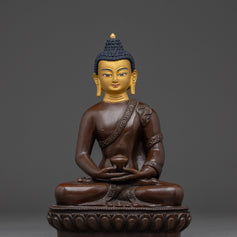
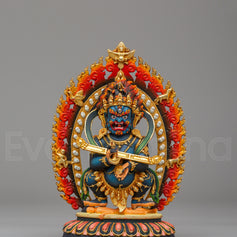
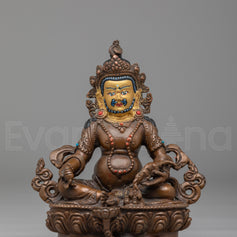
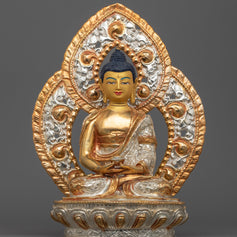
7. Gilding, Painting, Inlay, and Final Decoration
The statue is polished, and intricate details are added through engraving. Many statues undergo gold gilding, where a gold-mercury mixture is applied and heated until the mercury evaporates, leaving a lustrous gold finish. One of the most distinctive features of Nepalese sacred art is the statue's gold gilding. The traditional method is fire gilding (also called mercury gilding), which involves painting an amalgam of gold (18–22 karat) and mercury evenly onto the prepared metal surface and heating with a torch until the mercury evaporates, leaving a fused layer of 24-karat pure gold. Using agate stones, the surface is polished to a high shine. Faces may be painted with "cold gold" and appropriate liturgical colors:
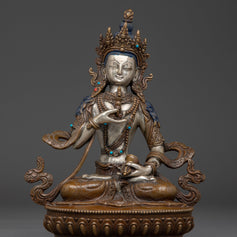
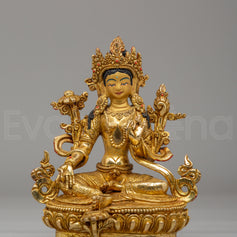
- Peaceful Deities: Blue or black hair.
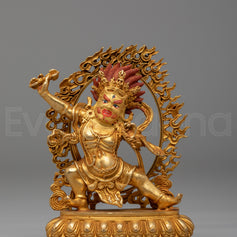
- Wrathful Deities: Red hair imitating fire.
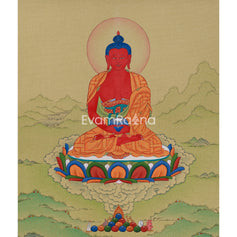
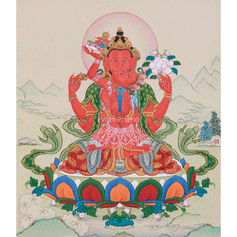
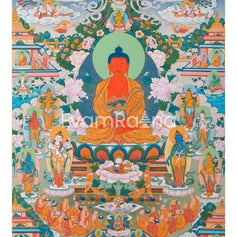
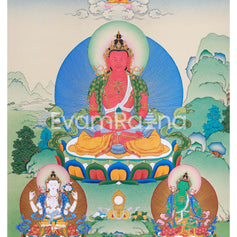
- Amitabha Buddha: Always red body
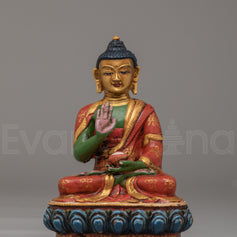
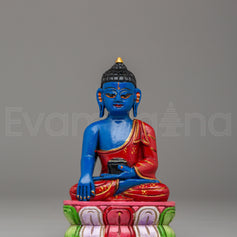
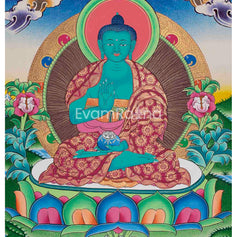
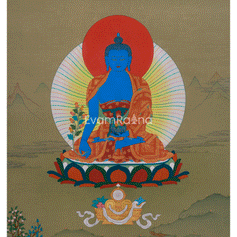
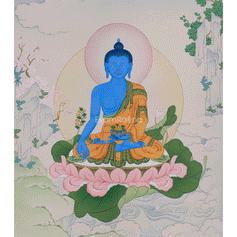
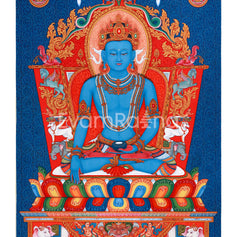
- Medicine Buddha: Always blue body.
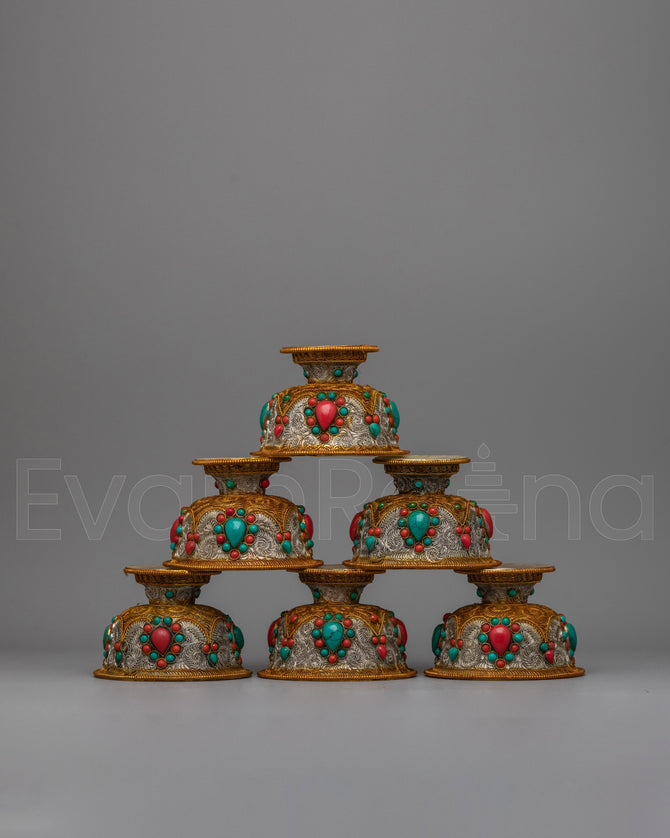
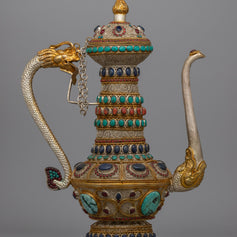
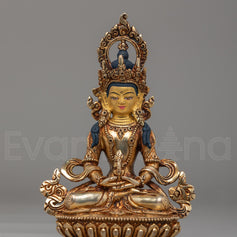
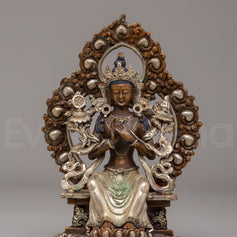
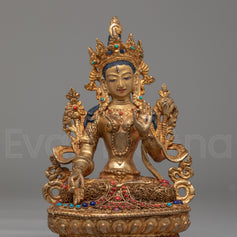
The final touch is often the encrusting of semi-precious stones. Many Nepalese statues have semi-precious stones inlaid into their crowns, jewelry, and thrones. Most Vajrayana practitioners use turquoise, coral, lapis lazuli, and rock crystal, each with its own symbolism.
Read More About How to Preserve Gold Statues on Your Altar: Expert Care Tips for Long-Lasting Shine and Spiritual Value
Tools and Traditional Techniques Used by Newar Artisans

The tools of the Newar metal sculptor are as traditional as the process itself. Most have Newari names that have been in use for centuries.
Wax-working tools:
- Silayku: a small sculpting spatula made from buffalo horn, used to refine wax surfaces and details
- Sikathica: a long bamboo stick with one cloth-wrapped end, used to apply liquid wax to seams and joins
- Milayca: a small charcoal brazier used to keep the wax warm and workable during sculpting
Metal-finishing tools:
A set of small steel chisels and punches in various profiles for chasing surface details, engraving patterns, and refining facial features:
- Planishing hammers: small, polished-face hammers used to smooth and compress the metal surface
- Agate burnishers: smooth agate stones mounted on handles, used to polish gilded surfaces to a brilliant shine
The Artisan's Body as Tool
One thing that distinguishes Newar metalwork from most Western metalworking traditions is the degree to which the artisan's body is integral to the process. The statue is held between the feet and knees while being worked with both hands, an intimate posture that allows the artisan to rotate, tilt, and steady the piece with extraordinary control. This technique, visible in the workshops of Patan today, is the same one depicted in paintings and reliefs from centuries ago.
Spiritual Discipline
It is worth noting that, historically, Newar artists of the classical period were expected to maintain specific spiritual disciplines while creating sacred images. Traditional accounts describe artisans taking a holy bath each day, observing dietary restrictions (eating only satvik food, natural, easily digestible foods believed to cultivate mental clarity), and wearing clean, appropriate clothing. The creation of a sacred image was understood to be an act of worship as much as an act of craft.
The Challenges Artisans Face:
Casting uncertainty: Even experienced artisans cannot fully predict the result until the mold is broken open. Air pockets, incomplete metal flow, or small imperfections can require a section to be recast.
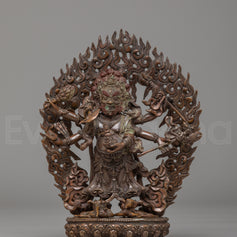
Wax stage complexity: A highly detailed deity with multiple arms, weapons, and ornaments (such as a Yamantaka or Kalachakra) can require an extraordinarily complex wax assembly, with dozens of tiny components joined precisely before the mold is built.
Gilding hazards: Traditional mercury fire gilding exposes the artisan to mercury vapor. While many workshops have moved to safer alternatives, the health legacy of this technique is real, and skilled fire gilders are increasingly rare.
Iconographic accuracy: Every statue must conform to the canonical measurements and attributes of the deity. A mistake in the mudra (hand gesture), the position of an eye, or the attributes held in each hand is not merely aesthetic; it affects the statue's spiritual efficacy. This demands a level of iconographic knowledge that takes years to develop.
Consecration Ritual: Bringing the Statue to Life (Prana Pratishtha)
 (Image from Termatree)
In both Hindu and Vajrayana Buddhist traditions, a newly completed statue is not yet a sacred object. It is beautiful, it is skillfully made, it is iconographically correct, but it is still, spiritually speaking, an empty vessel. The ceremony that transforms it from a crafted object into a living embodiment of a deity is called Prana Pratishtha from the Sanskrit prana (life-force) and pratishtha (to be established).
This ritual is the moment when the deity is formally invited to inhabit the statue.
Filling the Statue
In the Tibetan Buddhist tradition, the ritual begins with the filling of the statue's hollow interior. A qualified lama or monk selects and inserts specific sacred materials through the base or back opening of the statue. These typically include:
- Rolled mantra scrolls: strips of paper inscribed with the specific mantra of the deity
- Fragrant wood and incense powders: often including sandalwood, juniper, and medicinal herbs
- The five metals: small pieces of gold, silver, copper, iron, and brass
- Soils from sacred places: earth from Lumbini (the birthplace of the Buddha), Bodhgaya, or other pilgrimage sites
- Blessed pills (jenpa or prasad): small sacred pills believed to contain the condensed blessings of realized masters
Certain items are placed in specific positions within the statue near the heart, in the crown, and at the base corresponding to the body, speech, and mind of the enlightened being being invoked.
The Ritual Ceremony
Once filled, the base plate is sealed completely, typically with a metal cover embossed with the Bishwo Vajra (double thunderbolt), a symbol of indestructible awakening.
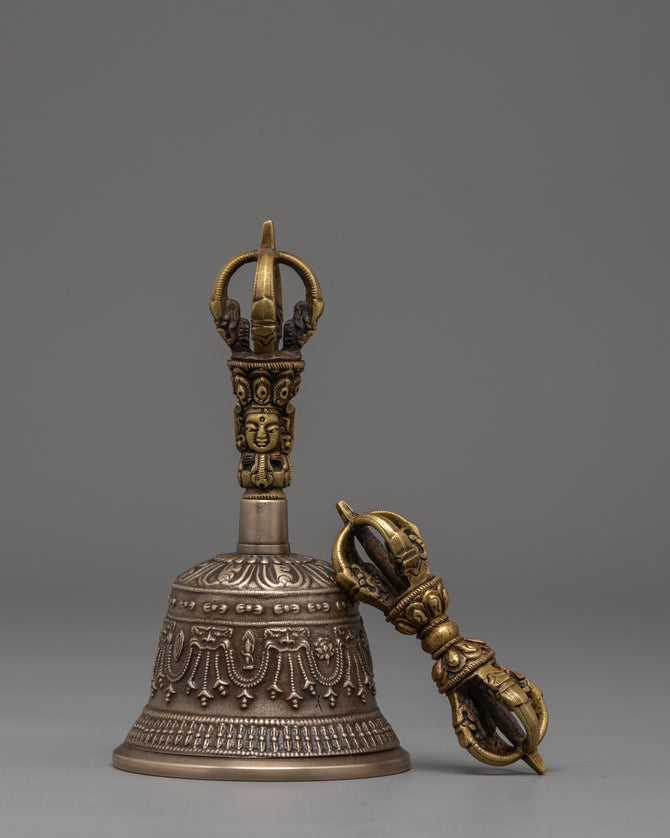
The consecration ceremony itself involves the continuous recitation of the deity's mantra by a qualified guru, accompanied by ritual instruments: the ghanta (bell), which represents wisdom, and the vajra (thunderbolt scepter), which represents skillful means. The joining of these two qualities, wisdom and compassion, is understood to be what imbues the statue with the Buddha nature.
The climax of the ritual is the opening of the eyes, the moment when the deity is understood to descend fully into the statue, making it a living and responsive presence. After this point, the statue is no longer treated as an object. It is treated as a guest, a sacred resident who should be offered light, incense, water, and reverence.
For the Non-Practitioner
If you are not a practitioner but feel drawn to a Nepalese statue for its beauty or cultural significance, this is worth knowing: many Evamratna customers choose to have their statues consecrated by a lama or monk before placing them on their altar. We are happy to facilitate this for you. A consecrated statue, even in a non-practitioner's home, is regarded as a beneficial and auspicious presence.
Where to Buy Authentic Handmade Nepalese Buddhist Statues

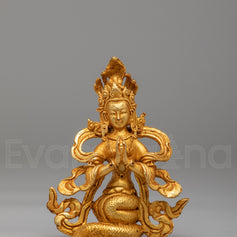
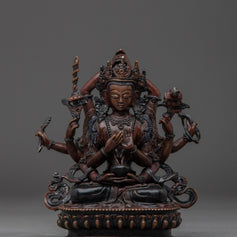
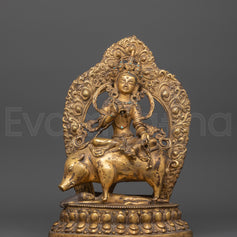
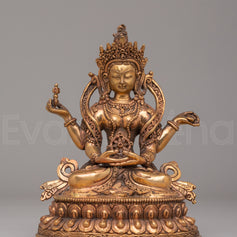
At Evamratna, every statue in our collection comes directly from the workshops of the Kathmandu Valley. We work with artisans who have inherited their craft across generations, and we are happy to answer any questions about the specific provenance of individual pieces.
Another highly respected source is Termatree, known for its commitment to providing authentic handmade statues crafted in Nepal, especially by highly skilled artisans using traditional lost-wax casting methods.
Signs of an authentic handmade statue:
- Slight asymmetries: Each handmade statue is unique. If a statue looks mechanically perfect and identical to dozens of others, it was likely machine-made.
- Visible tool marks: Under close inspection, you should be able to see the fine lines of hand chasing on the surface detailing.
- Weight and material: Genuine copper and bronze statues are noticeably heavy relative to their size. Lightweight statues are often made from resin or low-quality alloys.
- A sealed or removable base plate: Authentic Nepalese statues have a metal base plate, often embossed with the Bishwo Vajra, that can be opened for filling and consecration.
- The face: Look at the eyes and expression. A hand-painted face has a quality of individual attention that machine-applied faces cannot replicate.
Click Here To Explore Our Evamratna's Handmade Statue Collection
May everything be auspicious.


