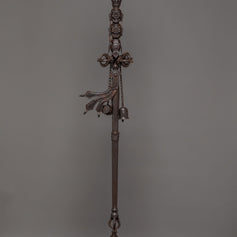
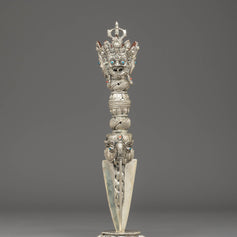
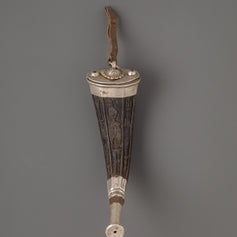







































































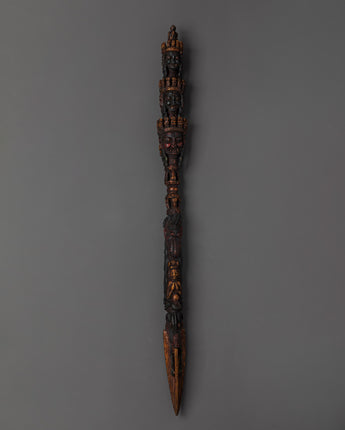


Tibetan Spiritual Phurba Dagger | Handcrafted Copper Ritual Dagger

100% AUTHENTIC

HANDMADE

FREE SHIPPING
Couldn't load pickup availability
Tibetan Spiritual Phurba Dagger | Shamanic Tool for Rituals & Spiritual Practices
--------------------------------------------
Size: 64cm (Height) x 6cm (Width)
Weight: 0.54kg
Materials: Ethically Sourced Yak Bone
--------------------------------------------
About The Ritual Item :
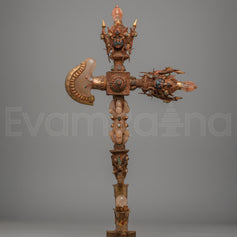
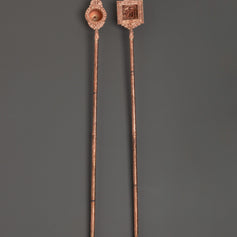
The Tibetan Spiritual Phurba Dagger measures 64cm in height and 6cm in width, with a weight of 0.54kg. This sacred ritual item is carved from ethically sourced yak bone, reflecting a deep connection to Himalayan spiritual traditions. In Tibetan Buddhism and Himalayan shamanic practices, the Phurba (Kila) is used as a ceremonial tool to transform negative energies and support spiritual practices. The handcrafted form and symbolic structure make it an important artifact for meditation spaces, ritual altars, and sacred collections.
The design of the Phurba dagger carries profound symbolic meaning. Traditionally, the three-sided blade represents the transformation of the three poisons of the mind—ignorance, attachment, and aversion—into wisdom. The carved handle often features protective and spiritual motifs connected to tantric rituals and Himalayan mysticism. As a ritual instrument, the Phurba symbolizes stability, spiritual power, and the grounding of sacred intention during ceremonies.
This Tibetan ritual dagger is valued not only as a ceremonial object but also as a powerful symbol of spiritual discipline and protection. Placed on an altar or used during meditation and ritual practices, the Phurba serves as a reminder of the practitioner’s journey toward clarity, balance, and awakening. Its presence brings a sense of sacred tradition and Himalayan spiritual heritage to any meditation space.
Introduction To The Phurba :
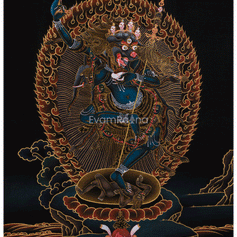
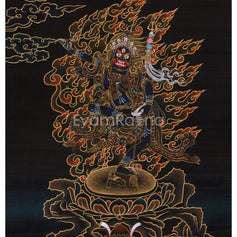
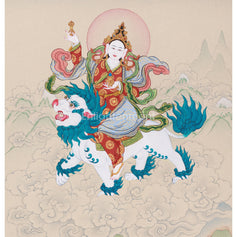
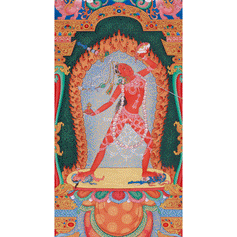
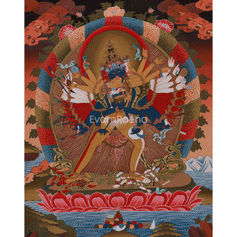
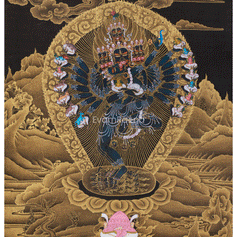
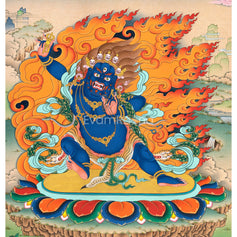
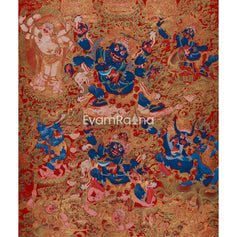
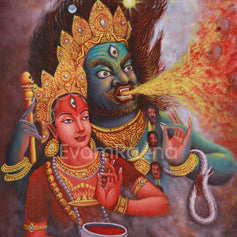
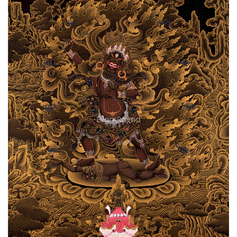
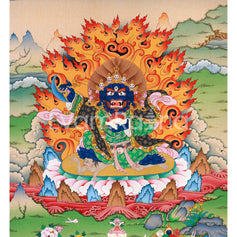
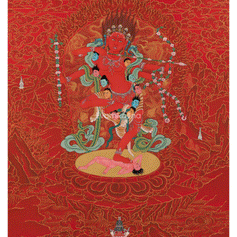
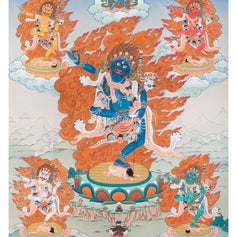
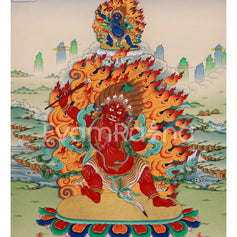
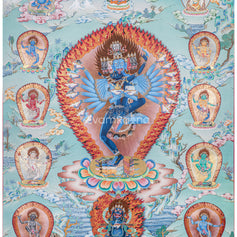
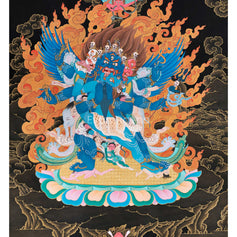
The ceremonial dagger (Sanskrit: Kila; Tibetan: phurba) is essential for expelling evil and is considered particularly effective in neutralizing the forces obstructing Tantric Buddhist practice. It has ancient origins, first appearing in the Indian Rig Veda as the core blade of the vajra used by Indra to destroy the primordial cosmic snake Vritra. Kila, derived from Sanskrit, was most likely associated with Vedic sacrifices. Meditation on the Vajrakila Tantra, an early Indian scripture first promoted in Tibet in the eighth century by Padmasambhava, one of the founding teachers of Tibetan Buddhism, is used to invoke the three-headed Vajrakila Buddha.
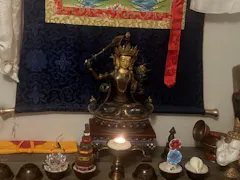
How to Set Up Your Buddhist Shrine?
Find a clean, quiet, and uncluttered spot.
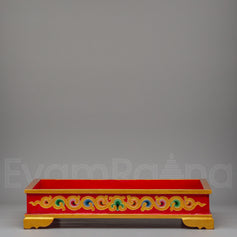
Please set up an altar table and cover it with an altar cloth that calls to you.
Place your sacred item (statue, thangka, or a picture of Buddha) at the center.