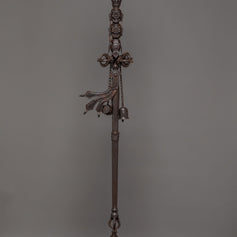
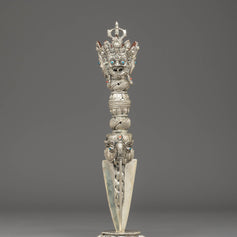
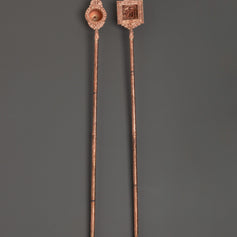


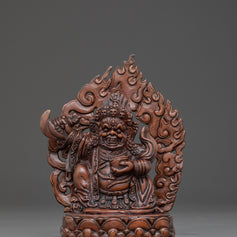
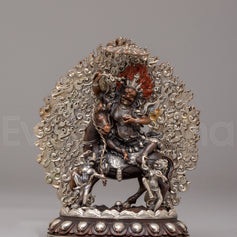
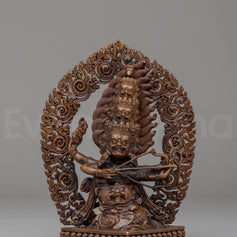
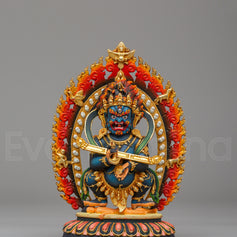
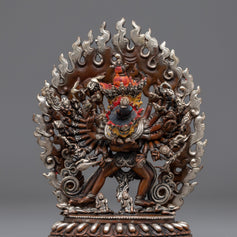
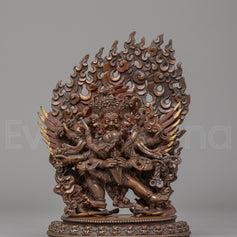









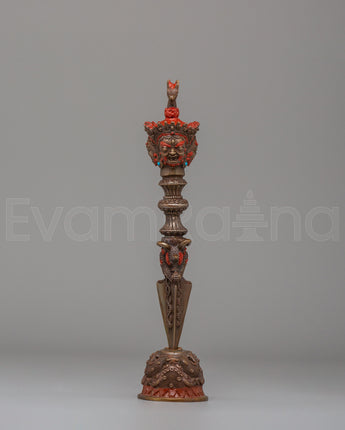


Sacred Hayagriva Phurba | Handcrafted Copper Ritual Dagger

100% AUTHENTIC

HANDMADE

FREE SHIPPING
Couldn't load pickup availability
Himalayan Hayagriva Phurba | Tibetan Meditation Tool
------------------------------------------------
Size: 25cm(Height) x 5.5cm(Length) x 5.5cm(Width)
Weight: 0.55 kg
Materials: Oxidized Copper
------------------------------------------------
About Our Product
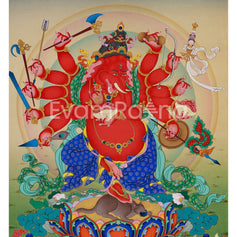
This Himalayan Hayagriva Phurba is a sacred Buddhist ritual dagger crafted from oxidized copper for meditation, altar display, and spiritual protection. Measuring 25cm in height and weighing 0.55kg, it features a fierce Hayagriva face and a pointed triangular blade rising from an ornate lotus style base. Its commanding design reflects Tibetan spiritual art, guardian energy, enlightenment, and the peaceful release of obstacles.
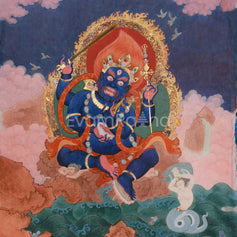
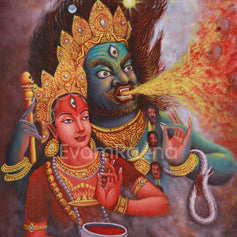
The Hayagriva phurba is traditionally connected with transformation, protection, and the clearing of negative energy during sacred practice. The wrathful deity motif symbolizes compassionate power, helping the practitioner cut through fear, confusion, and attachment on the path toward wisdom. Every carved detail, from the expressive crown to the ritual blade form, adds symbolic depth for mantra work, meditation focus, and mindful spiritual discipline.
Created for practitioners, collectors, healers, and lovers of Tibetan Buddhist decor, this ritual phurba serves as both a meaningful altar object and a striking sacred art piece. Whether placed in a meditation room, used as a visual focus for inner work, or offered as a spiritual gift, it invites grounded energy, protection, clarity, enlightenment, and inner peace into any devotional space.
Introduction To The Phurba :
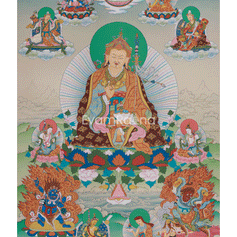
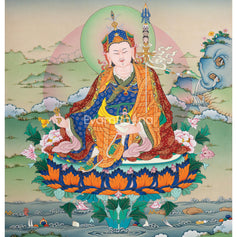
The ceremonial dagger (Sanskrit: Kila; Tibetan: phurba) is important for the expelling of evil and is thought to be especially effective in neutralizing the forces that obstruct Tantric Buddhist practice. It has ancient origins, first appearing in the Indian Rg Veda as the core blade of the vajra used by Indra to destroy the primordial cosmic snake Vritra. Kila, which meaning peg or stake in Sanskrit, was most likely associated with Vedic sacrifices. Meditation on the Vajrakila Tantra, an early Indian scripture first promoted in Tibet in the eighth century by Padmasambhava, one of the founding teachers of Tibetan Buddhism, is used to invoke the three-headed Vajrakila Buddha.