

Garuda Phurba for Ritual | Spiritual Ritual Tool

100% AUTHENTIC

HANDMADE

FREE SHIPPING
Couldn't load pickup availability
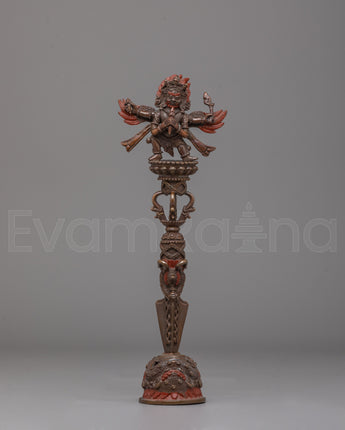
Handcrafted Garuda Phurba | Symbol of Protection & Transformation
------------------------------------------------
Size: 28cm(Height) x 9.5cm(Length) x 6cm(Width)
Weight: 0.67 kg
Materials: Acrylic Color, Oxidized Copper Body
------------------------------------------------
About Our Product
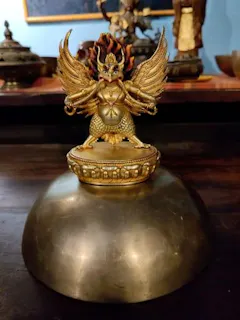
The Handcrafted Garuda Phurba measures 28cm in height, 9.5cm in length, and 6cm in width, with a weight of 0.67 kg. Created from an oxidized copper body and enhanced with detailed acrylic color accents, this Tibetan ritual dagger reflects traditional Himalayan craftsmanship and sacred symbolism. Designed for Buddhist altar arrangements, Vajrayana ceremonies, and meditation spaces, this Garuda Phurba carries a commanding spiritual presence that enriches any sacred setting.
At the top of the dagger stands Garuda, the powerful mythical bird revered in Tibetan Buddhism as a guardian against negative forces and spiritual obstacles. With wings spread wide and a fierce expression, Garuda represents strength, courage, and the swift removal of harmful energies. The central shaft is adorned with intricate carvings and symbolic motifs that reflect purification and spiritual authority. The three-sided blade signifies cutting through ignorance, attachment, and aversion, transforming negativity into wisdom and clarity. The oxidized copper finish, combined with subtle color detailing, enhances the depth and expressive artistry of this sacred ritual object.
This Garuda Phurba ritual dagger is a profound symbol of protection and transformation, ideal for Tibetan Buddhist altar decor, Vajrayana ritual practice, meditation room display, and Himalayan spiritual art collections. It embodies sacred intention and devotional craftsmanship.
Introduction To The Phurba :
The ceremonial dagger (Sanskrit: Kila; Tibetan: phurba) is essential for expelling evil and is considered particularly effective in neutralizing the forces obstructing Tantric Buddhist practice. It has ancient origins, first appearing in the Indian Rig Veda as the core blade of the vajra used by Indra to destroy the primordial cosmic snake Vritra. Kila, derived from Sanskrit, was most likely associated with Vedic sacrifices. Meditation on the Vajrakila Tantra, an early Indian scripture first promoted in Tibet in the eighth century by Padmasambhava, one of the founding teachers of Tibetan Buddhism, is used to invoke the three-headed Vajrakila Buddha.