














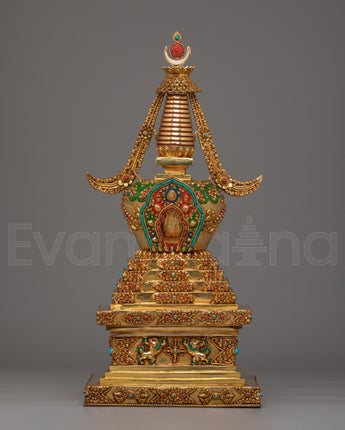


Traditional Enlightenment Stupa | A Sacred Symbol of Wisdom

100% AUTHENTIC

HANDMADE

FREE SHIPPING
Couldn't load pickup availability
Handcrafted Enlightenment Stupa | Meditation Altar Decor
------------------------------------------------
Size: 42cm(Height) x 20cm(Length) x 20cm(Width)
Weight: 3.13 kg
Materials: Copper Body, Gemstone, Gold Plated
------------------------------------------------
About Our Product
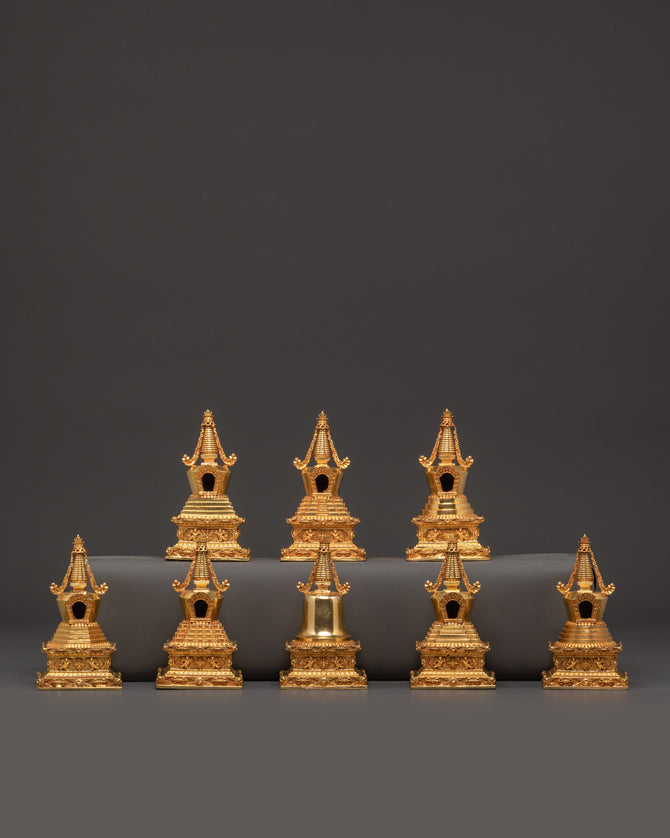
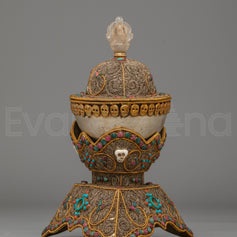
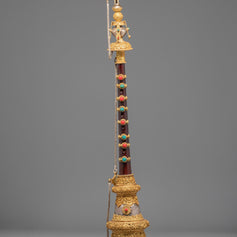
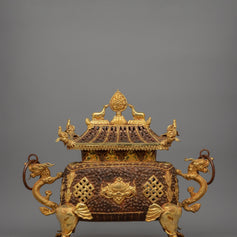
This Handcrafted Enlightenment Stupa measures 42cm (Height) x 20cm (Length) x 20cm (Width) and weighs 3.13 kg. Crafted from a copper body with gold plated finish and detailed gemstone inlay, this large Tibetan Buddhist stupa is designed for temple rooms, meditation halls, and prominent home altar decor. Its grand structure and vibrant embellishments create a powerful sacred focal point for spiritual practice and shrine display.
The stupa features a richly ornamented tiered base adorned with intricate floral carvings, traditional scroll motifs, and symbolic guardian figures. The dome section is beautifully decorated with colorful gemstone settings and detailed filigree work, representing the enlightened mind of the Buddha. Above the dome, the harmika and rising spire symbolize stages of awakening, crowned with a crescent and jewel finial that signifies ultimate wisdom and compassion. The combination of gold plated surfaces and gemstone accents enhances the sacred artistry and Himalayan craftsmanship of this Buddhist shrine.
In Tibetan Buddhism, the Enlightenment Stupa represents the Buddha’s awakening and the path toward liberation and spiritual realization. This gold plated copper stupa with gemstone detail is ideal for Buddhist altar decor, Himalayan shrine display, temple offerings, and meditation room settings. A striking Tibetan Buddhist shrine and enlightenment symbol, this handcrafted large stupa serves as a meditation altar centerpiece, ritual art object, gemstone inlay stupa, and meaningful spiritual gift for devoted practitioners and collectors.
Introduction of Stupa
Before Buddhism, great teachers were buried in mounds. Some were cremated, but sometimes they were buried in a seated, meditative position. The mound of earth covered them up. Thus, the domed shape of the stupa came to represent a person seated in meditation, much as the Buddha was when he achieved Enlightenment and knowledge of the Four Noble Truths. The base of the stupa represents his crossed legs as he sat in a meditative pose. The middle portion is the Buddha’s body, and the top of the mound, where a pole rises from the apex surrounded by a small fence, represents his head. Before images of the human Buddha were created, reliefs often depicted practitioners demonstrating devotion to a stupa.