






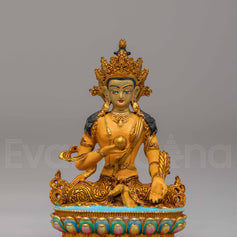
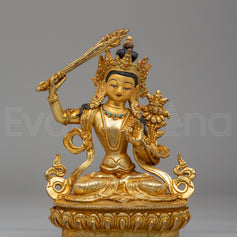
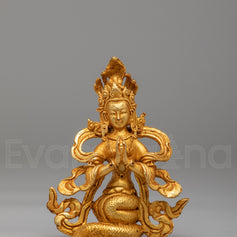
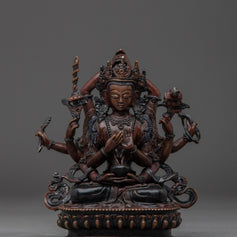
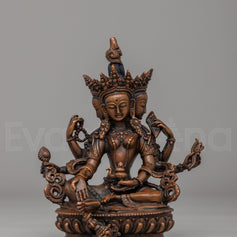
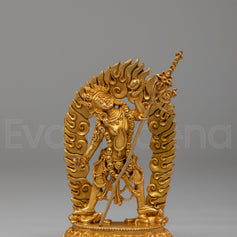
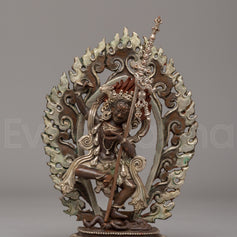
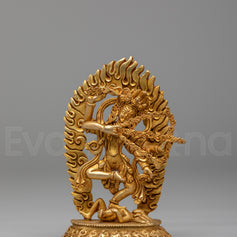





















































Tibetan Namgyalma Shrine Stupa | Meditation Altar Decor

100% AUTHENTIC

HANDMADE

FREE SHIPPING
Couldn't load pickup availability
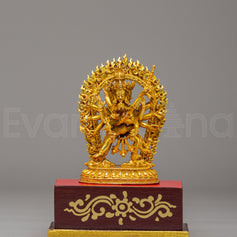
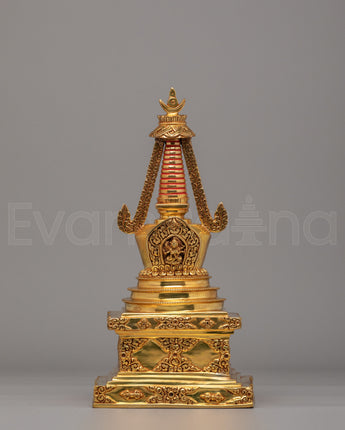
Sacred Namgyalma Stupa | Gold Plated Copper Buddhist Symbol
------------------------------------------------
Size: 31.5cm(Height) x 15.5cm(Length) x 15.5cm(Width)
Weight: 2.4 kg
Materials: Copper Body, Gold Plated
------------------------------------------------
About Our Product
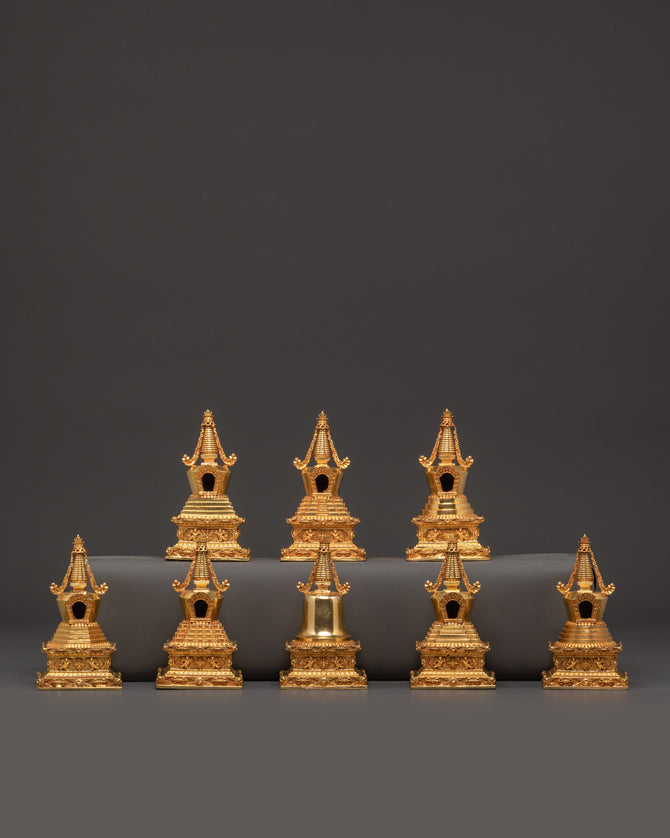
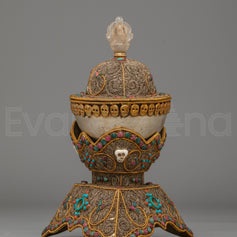
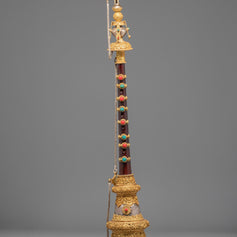
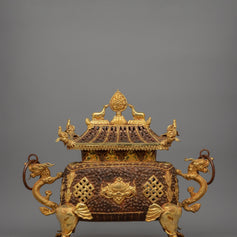
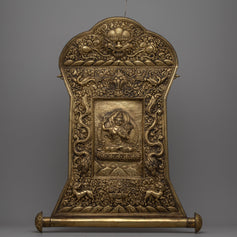
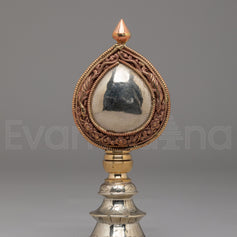
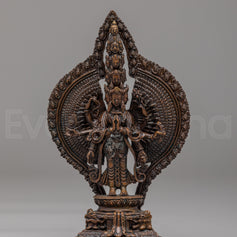
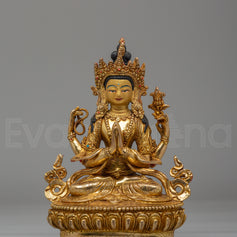
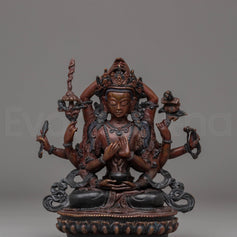
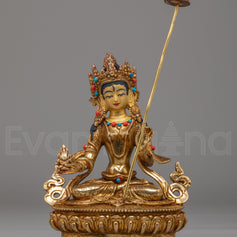
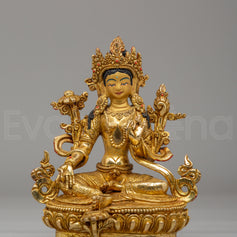
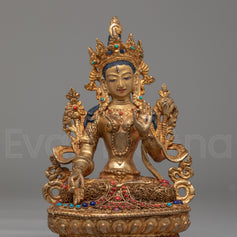
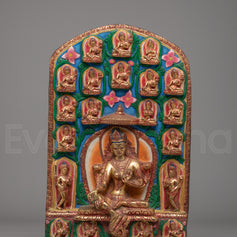
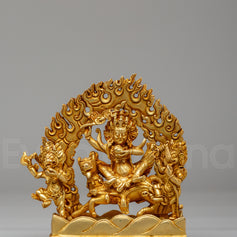
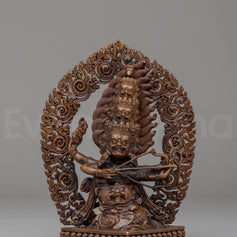
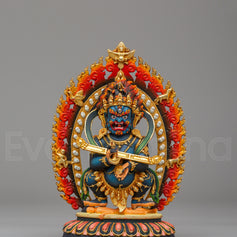
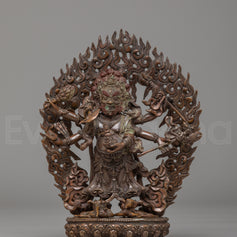
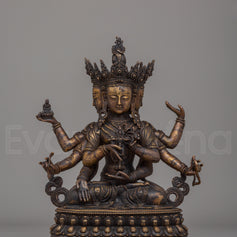
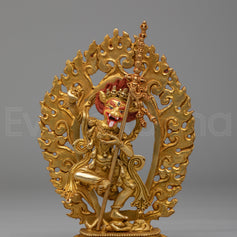
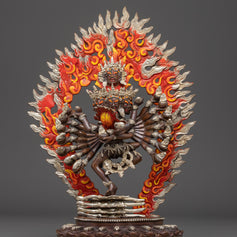
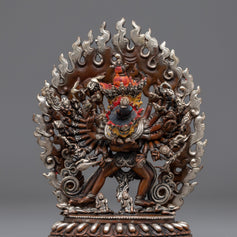
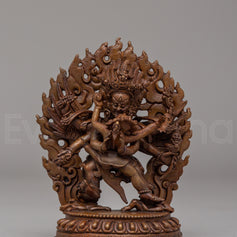
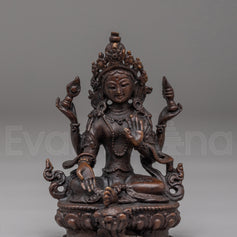
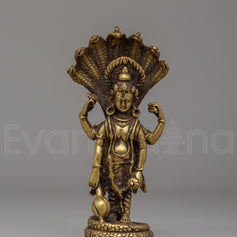
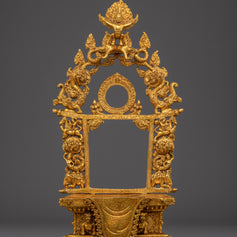
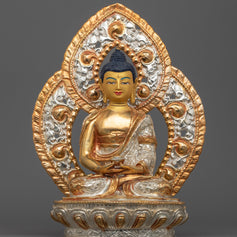
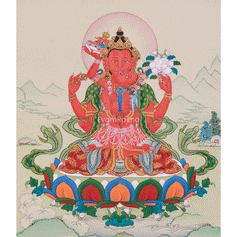
This Sacred Namgyalma Stupa is meticulously crafted from a copper body with gold plating, standing 31.5 cm tall with a 15.5 cm square base. Its intricate design features finely detailed engravings, a tiered structure, and symbolic embellishments that reflect traditional Himalayan craftsmanship. At its heart, the stupa houses a carved deity, adding depth and devotional significance to the piece. This stupa serves as a striking centerpiece for meditation altars, temple displays, or sacred spaces, radiating elegance, spiritual meaning, and a sense of sacred presence.
The Namgyalma Stupa embodies profound spiritual symbolism in Buddhist practice. The carved deity inside acts as a focal point for blessing spaces and supporting spiritual practice. Each element of the stupa—from the base to the conical spire—is imbued with meaning, representing the path to enlightenment, the accumulation of merit, and the purification of negative karma, while the inner deity enhances its sacred power and devotional energy.
Beyond its ritual significance, this stupa functions as both a devotional and decorative object, harmonizing tradition with artistic mastery. Ideal for personal altars, meditation rooms, or temple shrines, it inspires mindfulness, devotion, and clarity in spiritual practice. The gold-plated copper finish enhances its visual appeal, reflecting light and imbuing the space with an aura of sacred reverence and tranquility.