

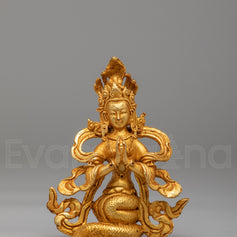
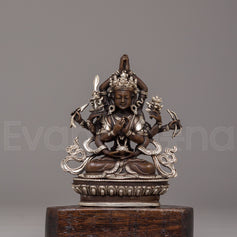
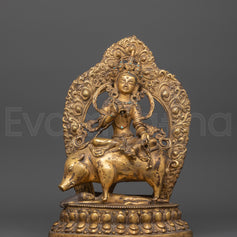
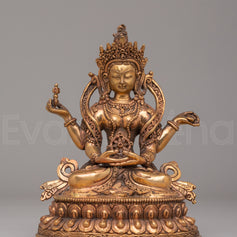
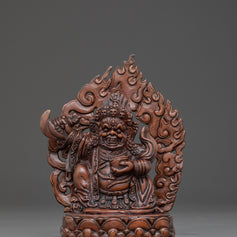
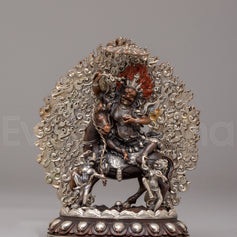
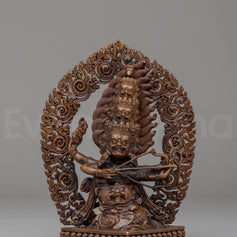
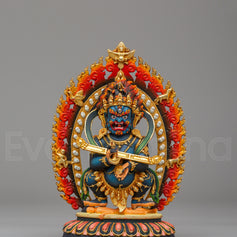










Tibetan Altar Stupa of Complete Victory | Spiritual Decor for Meditation

100% AUTHENTIC

HANDMADE

FREE SHIPPING
Couldn't load pickup availability
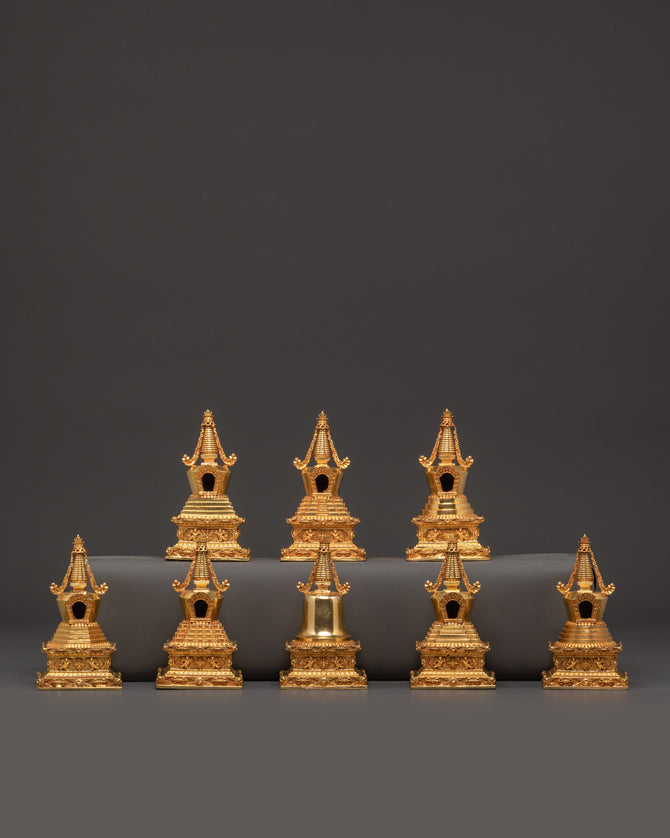
Handcrafted Tibetan Altar Stupa of Complete Victory | Sacred Symbol of Enlightenment
------------------------------------------------
Size: 10.5cm(Height) x 6cm(Length) x 6cm(Width)
Weight: 0.21 kg
Materials: Oxidized Copper Body, Silver Plated
------------------------------------------------
About Our Product
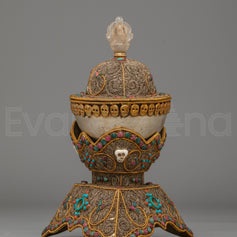
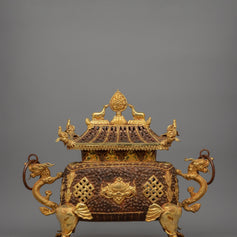
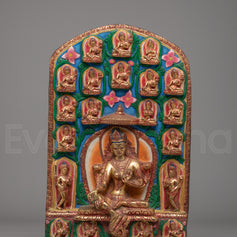
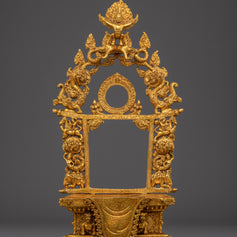
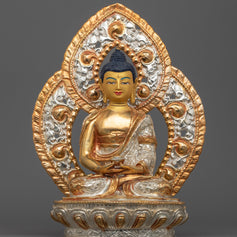
Elegant and spiritually significant, this Tibetan Altar Stupa of Complete Victory symbolizes triumph over obstacles, ignorance, and suffering on the path toward enlightenment. Handcrafted from an oxidized copper body and finished with detailed silver plating, the stupa reflects the sacred beauty of traditional Himalayan Buddhist art. Its carefully layered structure, decorative silver carvings, and central deity niche create a peaceful presence suited for meditation spaces, Buddhist altars, and sacred home decor.
The Stupa of Complete Victory commemorates the sacred event in Vaishali where the Buddha extended his lifespan for the benefit of his followers, symbolizing the victory of wisdom and compassion over death and limitation. The rising cylindrical spire and stepped foundation represent spiritual progress, inner discipline, and the ascent toward enlightenment. Fine silver ornamentation surrounding the base highlights the craftsmanship of Himalayan artisans who preserve ancient Buddhist metalworking traditions through meaningful sacred objects.
Created as a spiritual reminder of perseverance and awakened wisdom, this Tibetan Altar Stupa of Complete Victory radiates harmony, protection, and positive energy. In Buddhist tradition, victory stupas are believed to inspire strength, encourage mindfulness, and support spiritual growth within sacred environments. Whether displayed as a devotional centerpiece or added to a Himalayan art collection, this silver plated stupa brings an atmosphere of peace, balance, and enlightened aspiration into any space.
Introduction of Stupa of Complete Victory
Before Buddhism, great teachers were interred in mounds. Some were cremated, while others were buried in a seated, meditative position, covered by earth. Thus, the domed shape of the stupa came to represent a person seated in meditation, much like the Buddha when he achieved Enlightenment and knowledge of the Four Noble Truths. The base of the stupa symbolizes his crossed legs in a meditative pose, the middle portion represents the Buddha’s body, and the top of the mound, where a pole rises from the apex surrounded by a small fence, signifies his head. Prior to the creation of human Buddha images, reliefs often depicted practitioners showing devotion to a stupa.