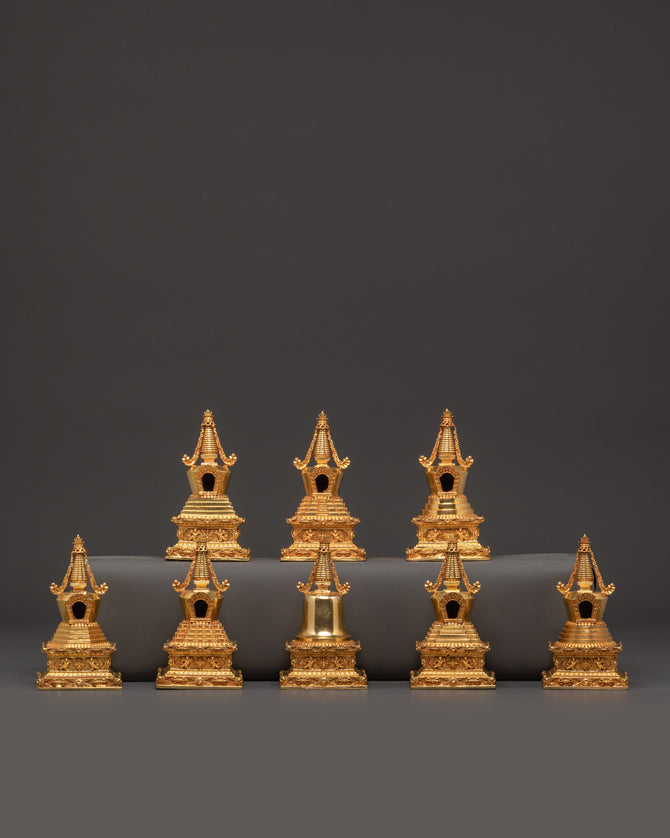

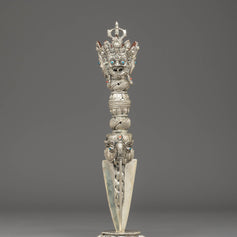


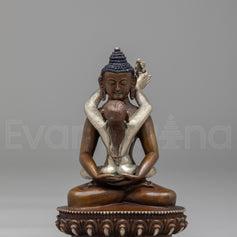
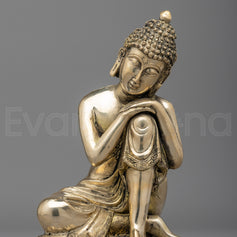
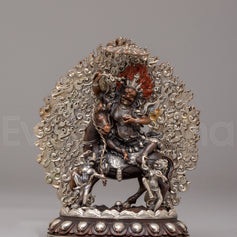
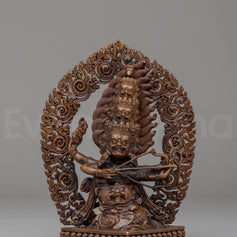
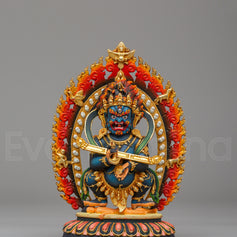
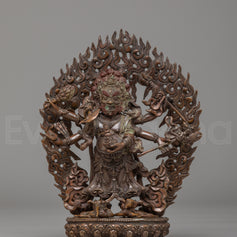
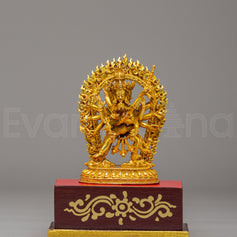
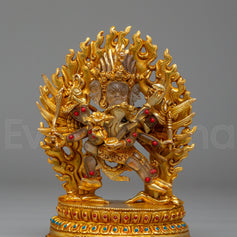
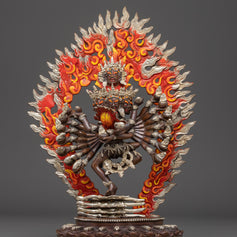
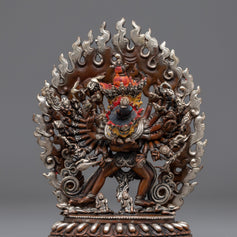






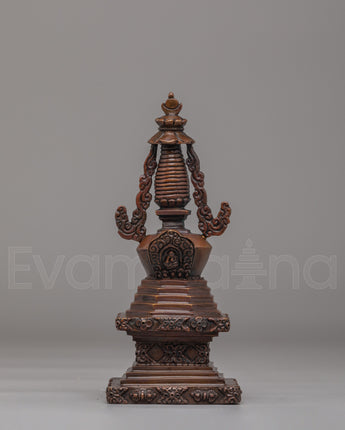


Spiritual Stupa of Reconciliation | Handcrafted Oxidized Copper Sculpture

100% AUTHENTIC

HANDMADE

FREE SHIPPING
Couldn't load pickup availability
Spiritual Stupa of Reconciliation | Tibetan Sacred Symbol for Inner Peace
------------------------------------------------
Size: 18cm(Height) x 8cm(Length) x 8cm(Width)
Weight: 0.83 kg
Materials: Oxidized Copper Body
------------------------------------------------
About Our Product
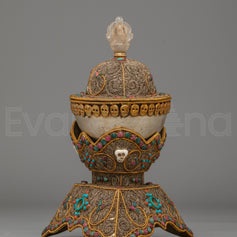
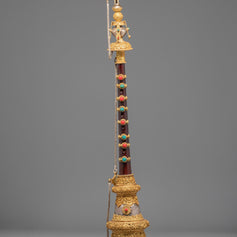
This Spiritual Stupa of Reconciliation is a finely crafted Himalayan sacred object, made from an oxidized copper body that gives it a rich, traditional appearance. The structure features a tiered base, a rounded dome, and a rising spire crowned with symbolic elements, all reflecting classical Tibetan stupa design. Decorative carvings and ornamental details enhance the form, while the aged finish adds depth and character to the piece.
In Tibetan Buddhism, the Stupa of Reconciliation represents peace, unity, and the resolution of conflict. It is associated with harmony among individuals and communities, symbolizing the restoration of balance and positive relationships. The ascending structure of the stupa reflects the spiritual path toward enlightenment, while the central form embodies the presence of awakened mind. This stupa is often placed in sacred spaces to promote compassion, understanding, and collective well-being.
Ideal for meditation spaces, altars, or spiritual collections, this Spiritual Stupa of Reconciliation carries deep symbolic meaning and cultural significance. This reconciliation stupa, Tibetan stupa, Buddhist peace symbol, Himalayan spiritual decor, oxidized copper stupa, meditation altar piece, sacred Buddhist monument, and harmony symbol enhances any environment and invites peace, balance, and mindful presence.
Introduction of Stupa of Reconciliation
Prior to Buddhism, great teachers were interred in mounds. While some were cremated, others were sometimes buried in a seated, meditative posture, covered by an earth mound. Consequently, the domed shape of the stupa evolved to represent a person seated in meditation, mirroring the Buddha's posture when he attained Enlightenment and understood the Four Noble Truths. The stupa's base symbolizes his crossed legs in meditation, the middle portion represents the Buddha’s body, and the top of the mound, featuring a pole rising from the apex surrounded by a small fence, signifies his head. Before human images of the Buddha were created, reliefs frequently depicted practitioners showing devotion to a stupa.