



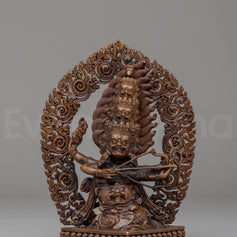
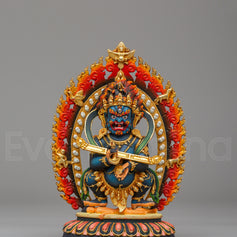
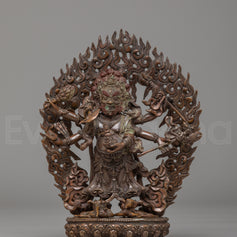
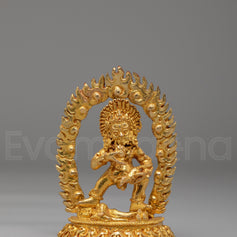
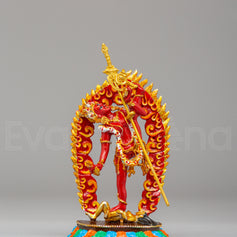
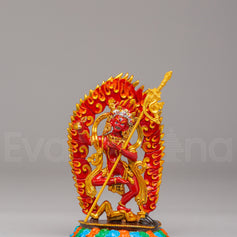
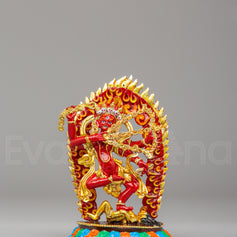
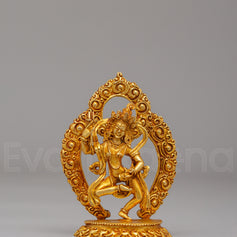
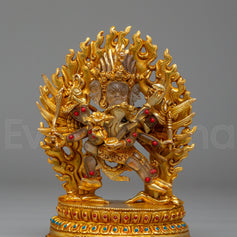
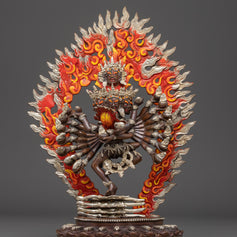
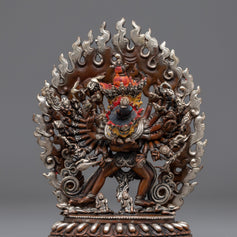
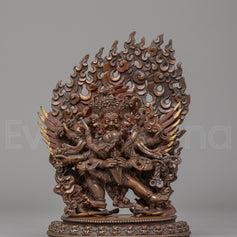







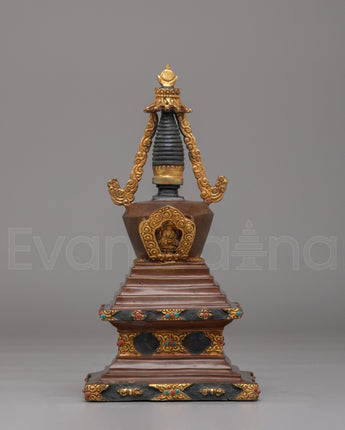


Himalayan Ritual Enlightenment Stupa | Sacred Symbol of Spiritual Awakening

100% AUTHENTIC

HANDMADE

FREE SHIPPING
Couldn't load pickup availability
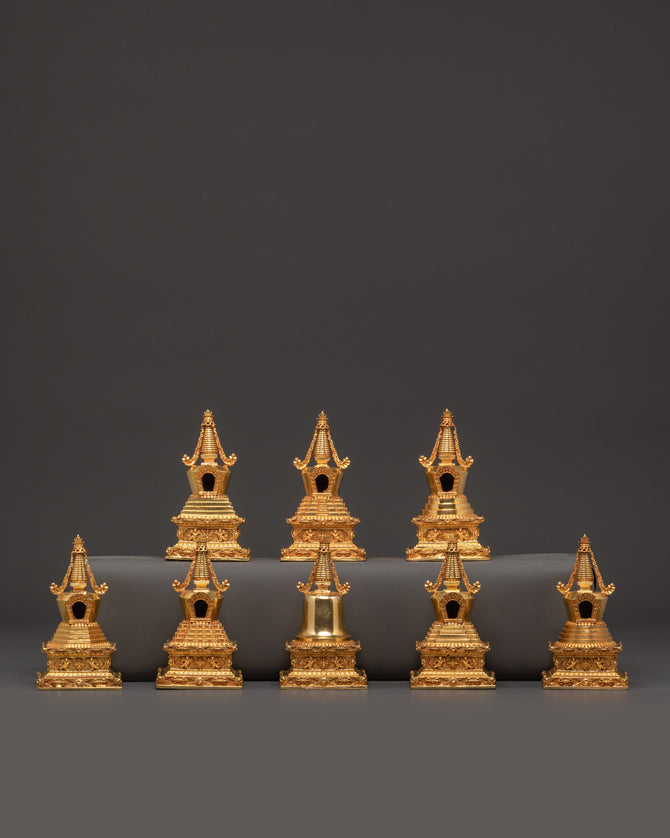
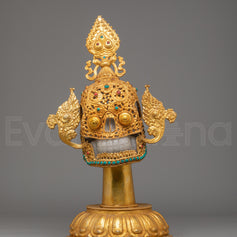
Traditional Ritual Enlightenment Stupa | Wisdom and Inner Peace
------------------------------------------------
Size: 24cm(Height) x 12.5cm(Length) x 12.5cm(Width)
Weight: 1.29 kg
Materials: Gold Plated, Oxidized Copper Body
------------------------------------------------
About Our Product
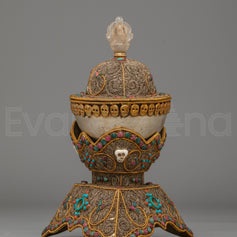
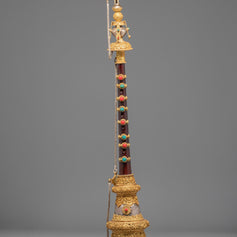
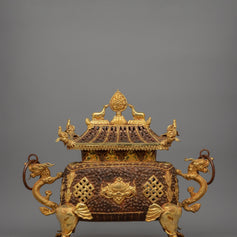
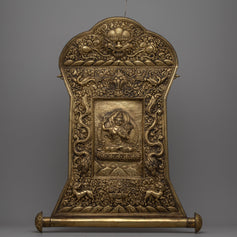
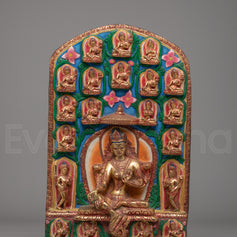
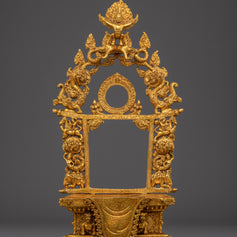
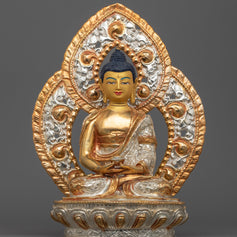
This Traditional Ritual Enlightenment Stupa is a sacred Buddhist shrine piece crafted with a gold plated finish over an oxidized copper body, created for altar decor, meditation rooms, temple spaces, and devotional practice. Its tiered base, rounded dome, ornate shrine niche, raised decorative motifs, curved side ornaments, and elevated spire reflect traditional Tibetan stupa design. The rich copper tones and radiant gold plated accents symbolize wisdom, spiritual growth, enlightenment, protection, and inner peace.
The Enlightenment Stupa represents Buddha’s awakening under the Bodhi tree, making it a meaningful symbol of clarity, realization, and freedom from ignorance. The central Buddha image within the decorative niche adds devotional depth, while the layered architectural form reflects the gradual path toward awakening. Each handcrafted detail supports meditation, mantra practice, sacred offerings, prayer, and peaceful spiritual discipline.
Designed for practitioners, collectors, healers, and lovers of Tibetan Buddhist decor, this ritual stupa brings sacred beauty and intention to a home altar, shrine, meditation table, or spiritual collection. Whether used as an offering piece or given as a thoughtful spiritual gift, it invites compassion, balance, calm energy, wisdom, and a deeper connection to the path of inner peace.
Introduction of Stupa
Before Buddhism, great teachers were buried in mounds. Some were cremated, but sometimes they were buried in a seated, meditative position. The mound of earth covered them up. Thus, the domed shape of the stupa came to represent a person seated in meditation, much as the Buddha was when he achieved Enlightenment and knowledge of the Four Noble Truths. The base of the stupa represents his crossed legs as he sat in a meditative pose. The middle portion is the Buddha’s body, and the top of the mound, where a pole rises from the apex surrounded by a small fence, represents his head. Before images of the human Buddha were created, reliefs often depicted practitioners demonstrating devotion to a stupa.