









Handmade Stupa of Reconciliation | Symbol of Peace

100% AUTHENTIC

HANDMADE

FREE SHIPPING
Couldn't load pickup availability
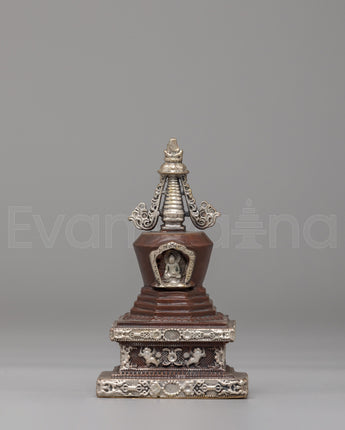
Handmade Stupa of Reconciliation | Symbol of Peace
------------------------------------------------
Size: 10.5cm(Height) x 6cm(Length) x 6cm(Width)
Weight: 0.2 kg
Materials: Oxidized Copper Body, Silver Plated
------------------------------------------------
About Our Product
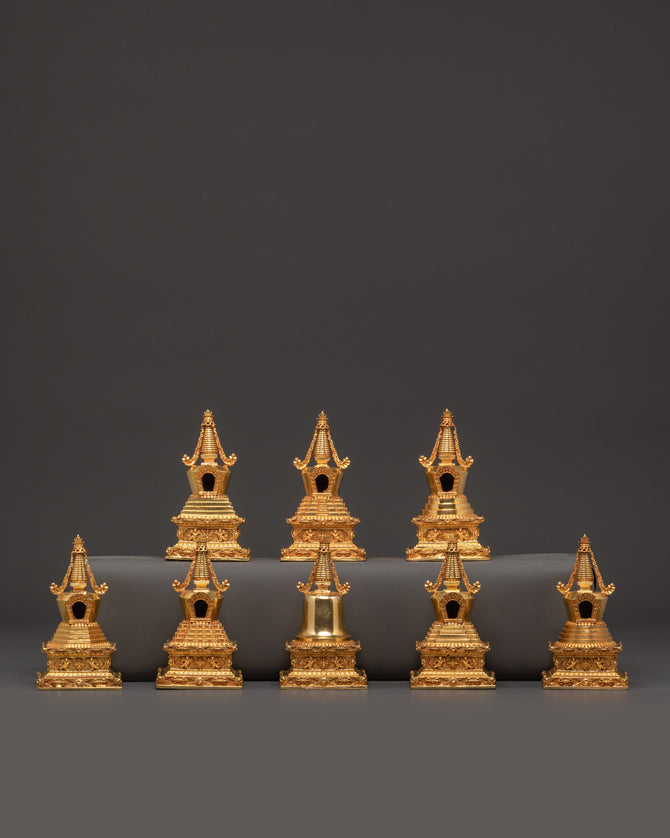
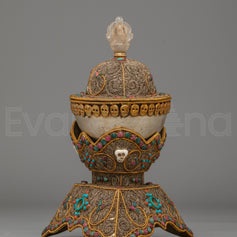
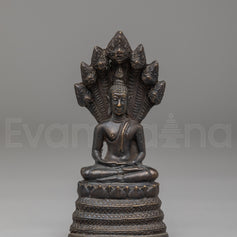
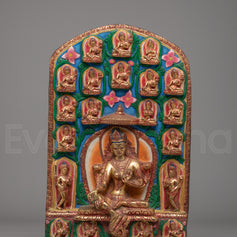
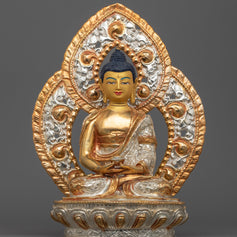
Representing harmony, unity, and the peaceful resolution of conflict, this Handmade Stupa of Reconciliation is a meaningful symbol within Buddhist tradition. Crafted from an oxidized copper body with refined silver plating, the stupa reflects the sacred architectural style of Himalayan spiritual art. Its beautifully tiered base, detailed silver ornamentation, and central Buddha niche create a serene presence that enhances meditation spaces, prayer rooms, and Buddhist altar collections.
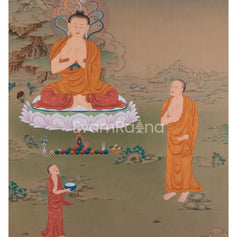
The Stupa of Reconciliation commemorates the important event in Buddhist history when the Buddha restored harmony among divided monks, emphasizing compassion, understanding, and spiritual unity. The rising spire symbolizes the path toward enlightenment, while the stepped structure beneath represents spiritual progress and inner discipline. Handcrafted details along the silver plated base showcase the artistry of Himalayan metalworkers, whose traditional techniques preserve the sacred beauty and symbolic depth of Buddhist ritual objects.
More than a decorative sculpture, this Handmade Stupa of Reconciliation serves as a reminder to cultivate peace within oneself and in relationships with others. The harmonious blend of oxidized copper and silver plated accents creates a calming spiritual atmosphere believed to encourage mindfulness, balance, and positive energy. Whether displayed on a meditation altar or treasured as sacred Himalayan decor, this Buddhist stupa embodies the enduring message of compassion, reconciliation, and enlightenment.
Introduction of Stupa of Reconciliation
Before Buddhism, great teachers were buried in mounds. Some were cremated, but sometimes they were buried in a seated, meditative position. The mound of earth covered them up. Thus, the domed shape of the stupa came to represent a person seated in meditation, much as the Buddha was when he achieved Enlightenment and knowledge of the Four Noble Truths. The base of the stupa represents his crossed legs as he sat in a meditative pose. The middle portion is the Buddha's body, and the top of the mound, where a pole rises from the apex surrounded by a small fence, represents his head. Before images of the human Buddha were created, reliefs often depicted practitioners demonstrating devotion to a stupa.