
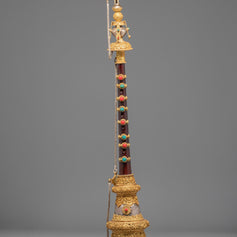


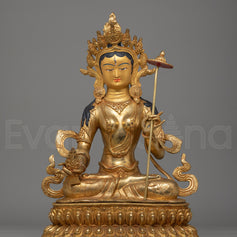
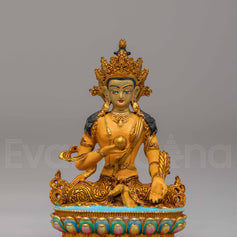
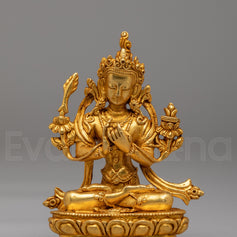
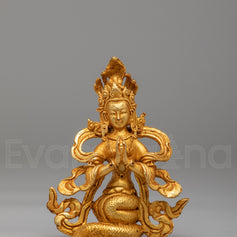
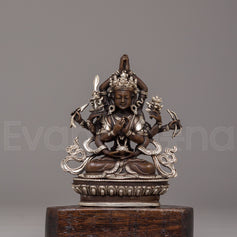
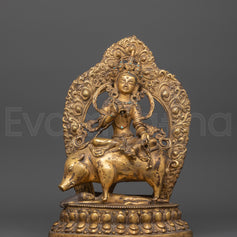
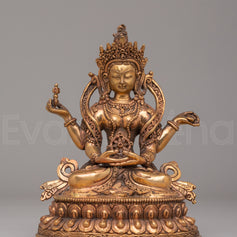
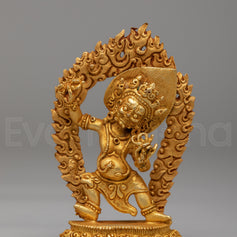
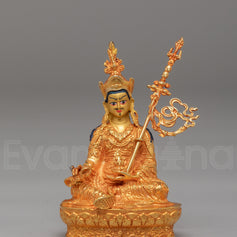
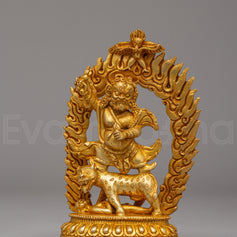
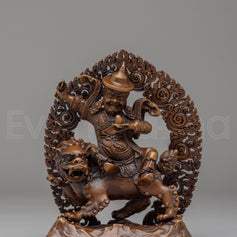
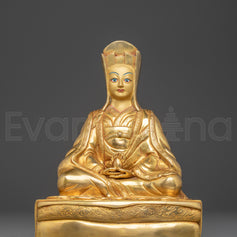
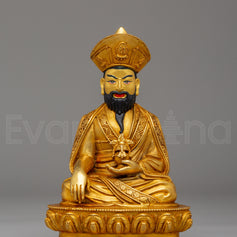
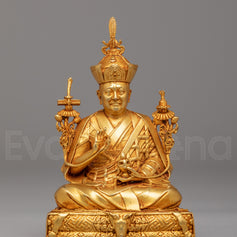
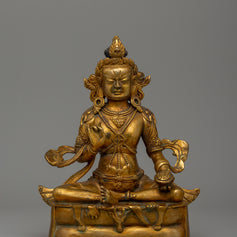
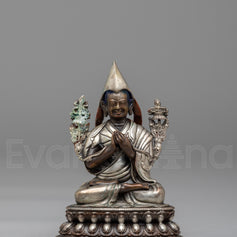
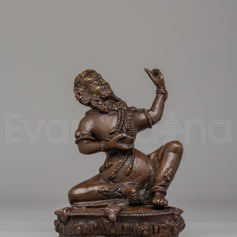
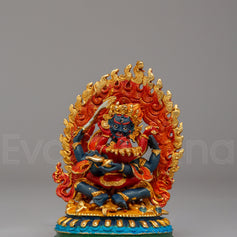
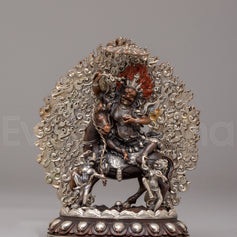
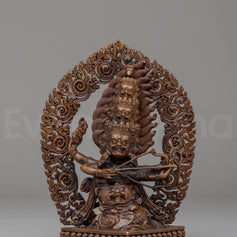
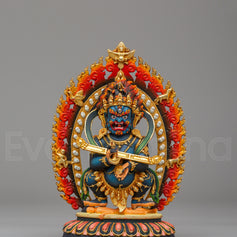
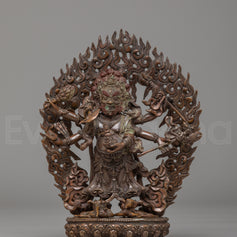








Handmade Sacred Stupa | Traditional Tibetan Artwork

100% AUTHENTIC

HANDMADE

FREE SHIPPING
Couldn't load pickup availability
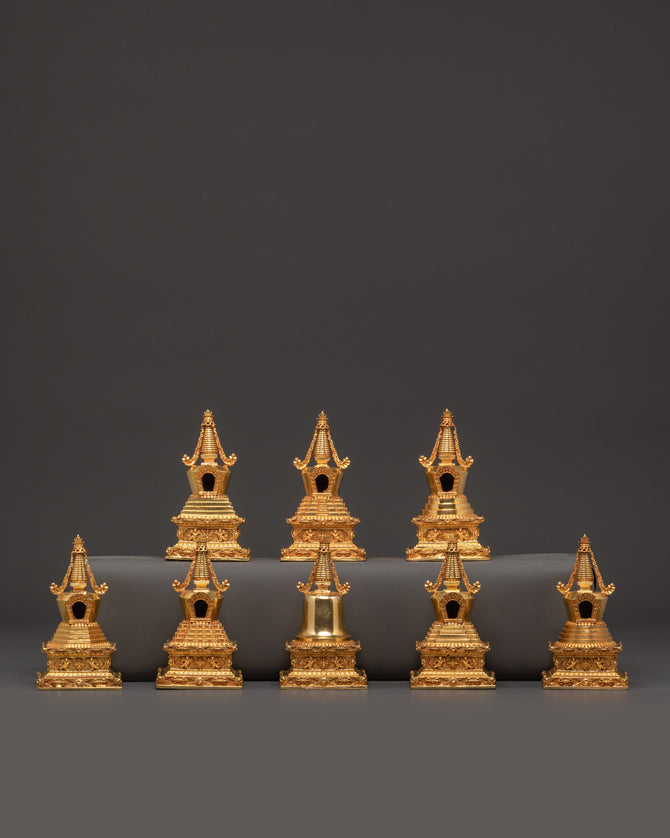
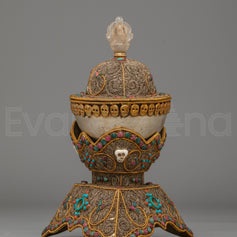
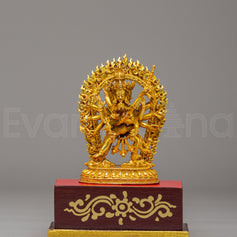
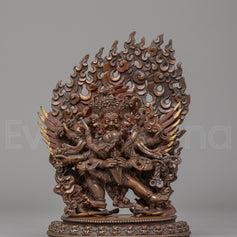
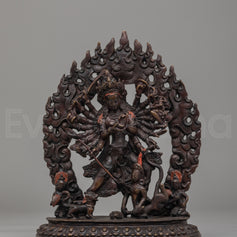
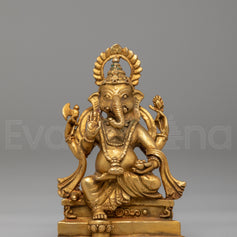
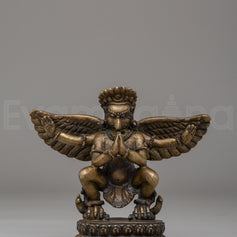
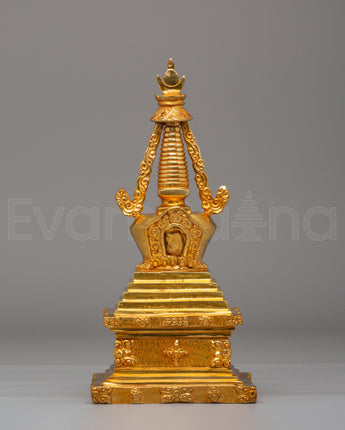
Tibetan Handmade Sacred Stupa for Altar
------------------------------------------------
Size: 21cm(Height) x 11cm(Width)
Weight: 1.19 kg
Materials: 24K Gold Plated, Copper Body
------------------------------------------------
About Our Product:
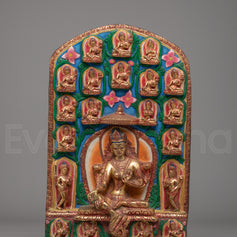
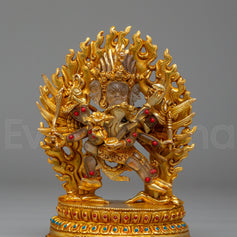
The Stupa is a powerful and sacred spiritual symbol in Buddhism, representing the path to enlightenment and the Buddha's teachings. Standing 21cm tall and 11cm wide, this meticulously handcrafted stupa is made of copper and plated with 24K gold. The Stupa serves as a symbol of the Buddha's physical presence, his enlightenment, and the refuge that his teachings provide. The golden shine of the stupa symbolizes the Buddha's wisdom and enlightenment, making it an excellent addition to your Buddhist altar, meditation space, or home decor.
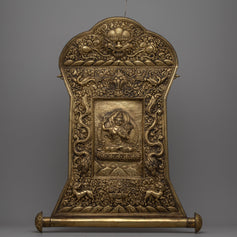
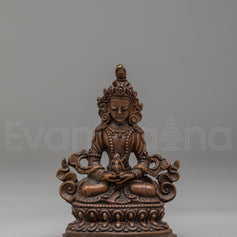
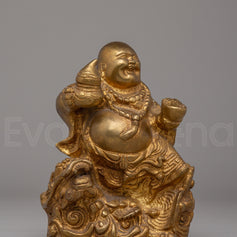
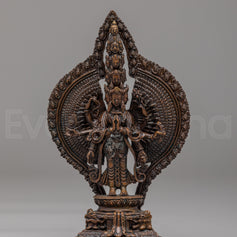
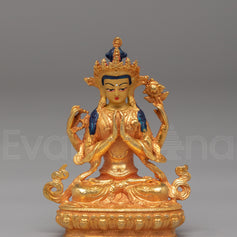
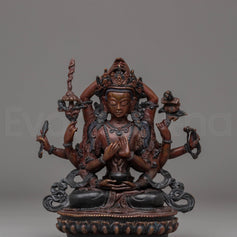
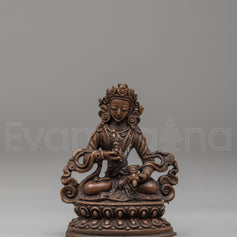
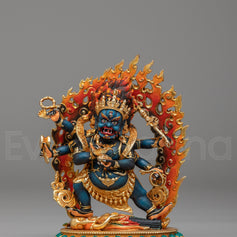
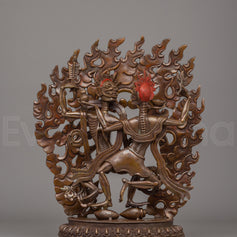
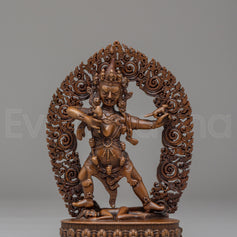
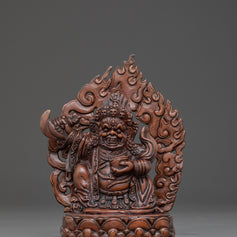
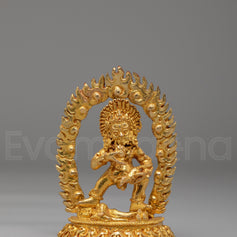
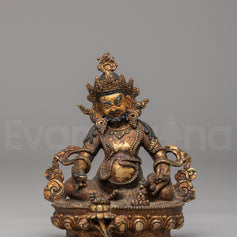
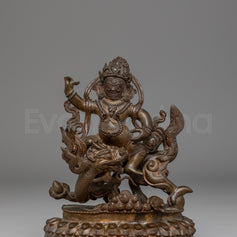
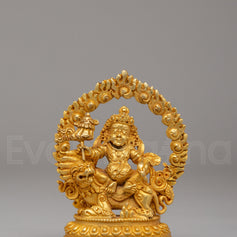
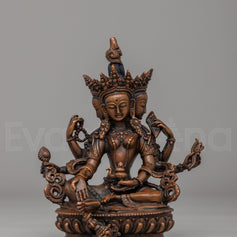
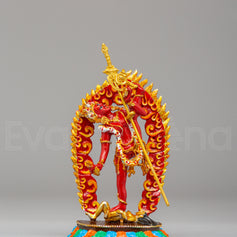
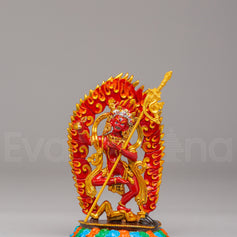
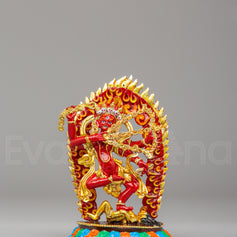
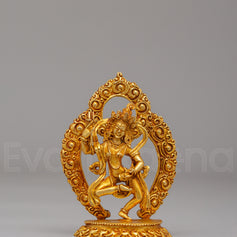
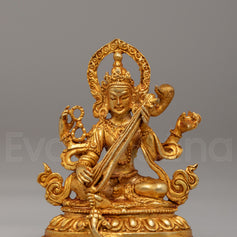
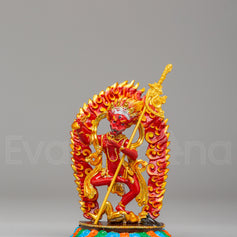
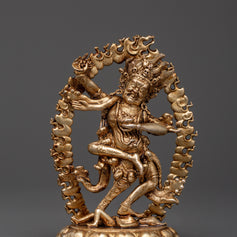
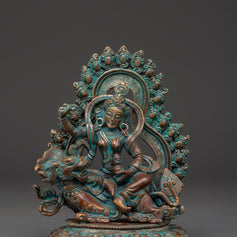
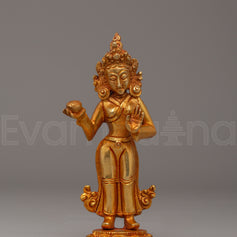
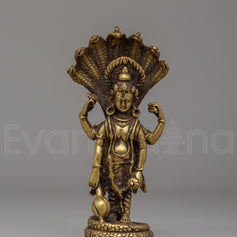
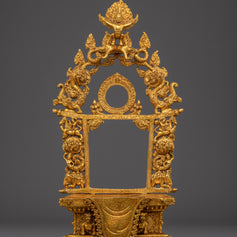
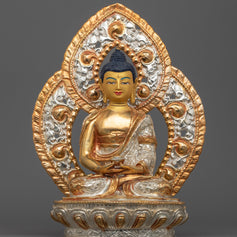
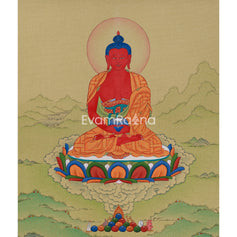
The intricate design of the stupa features a detailed deity figure at the center, surrounded by ornate patterns, reflecting the Buddha's sacred and profound teachings. The gold-plated accents enhance the spiritual significance, symbolizing purity, enlightenment, and the triumph of wisdom over ignorance. The stupa’s placement in Buddhist altars, meditation rooms, or as part of a spiritual decor set infuses the space with tranquility and energy.
Whether used in meditation rituals, as part of your daily practice, or as a centerpiece for your home, this Sacred Copper Gold-Plated Stupa is more than a decorative item—it is a sacred object that connects you with Buddhist teachings, brings clarity to the mind, and invites spiritual awakening. This piece is ideal for enhancing any space with its meaningful symbolism, elevating both your environment and your spiritual practice.
Introduction To Stupa :
Before Buddhism, great teachers were buried in mounds. Some were cremated, but sometimes they were buried in a seated, meditative position. The mound of earth covered them up. Thus, the domed shape of the stupa came to represent a person seated in meditation, much as the Buddha was when he achieved Enlightenment and knowledge of the Four Noble Truths. The base of the stupa represents his crossed legs as he sat in a meditative pose. The middle portion is the Buddha’s body, and the top of the mound, where a pole rises from the apex surrounded by a small fence, represents his head. Before images of the human Buddha were created, reliefs often depicted practitioners demonstrating devotion to a stupa.