


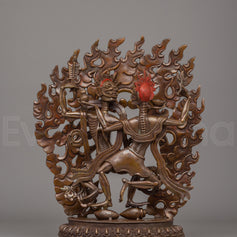
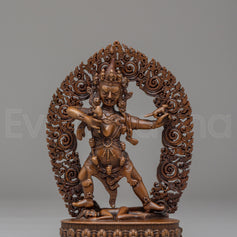
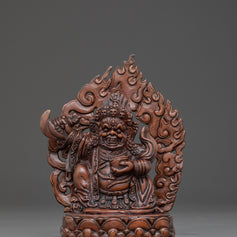
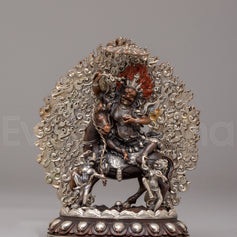

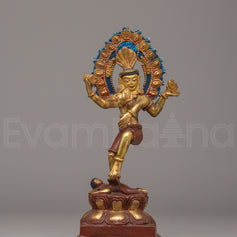
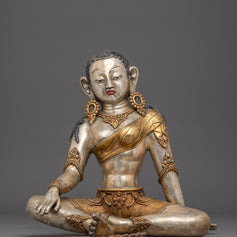
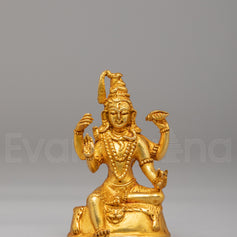
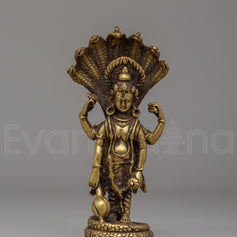












A Complete Guide to Tibetan Buddhist Votive Offerings Tsa-Tsa
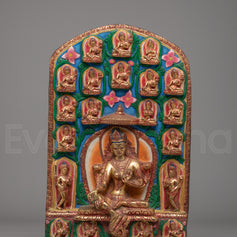
A Buddhist Tsa-Tsa mold (also written as Tsha-Tsha) is a small sculpted votive offering central to Tibetan Buddhist devotional practice. The term itself is generally traced to Sanskrit, pointing to India as the tradition's birthplace. In physical form, Tsa-Tsas are compact relief tablets or miniature three-dimensional figures, most commonly made from clay pressed into a carved mold.
For over a thousand years, Tsa-Tsa molds have been the quiet engines of merit-making across the Himalayan world. They are used by monks in monastery courtyards and by laypeople in village homes, by grieving families honoring the dead and by tantric practitioners preparing the ground for advanced teachings. Small in size but vast in significance, the Tsa-Tsa is a microcosm of Vajrayana Buddhism itself.
The Tsa-Tsa Mold: Materials, Design, and Craftsmanship

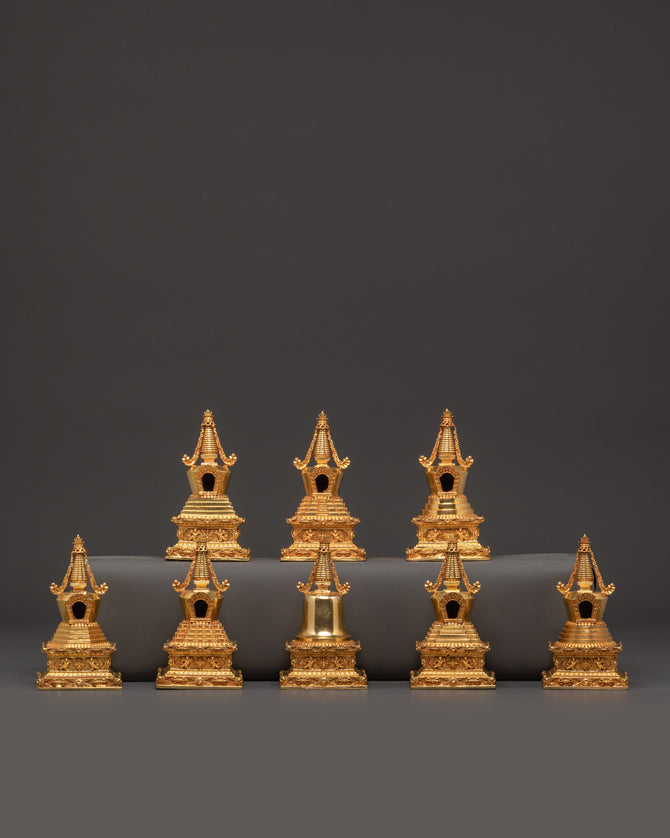
Click Here to View Our Tsa-Tsa Molded Gold Plated Buddhist Copper Stupa Art
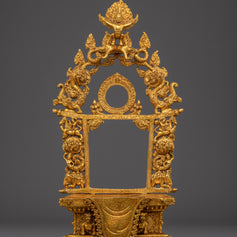
The mold is the heart of the practice. Without a precisely carved, iconographically correct mold, the resulting Tsa-Tsa cannot function as a sacred representation.
Mold materials
Traditional Tsa-Tsa molds are made from wood (often hardwoods), bronze, or copper. Metal molds are preferred for their durability and the crispness of their detail, a bronze mold can produce thousands of impressions without losing its fine relief work. Wood molds were historically more accessible for village craftspeople and traveling practitioners. Stone molds are rarer but do exist in certain regional traditions.
Iconographic precision
The images carved into molds must adhere strictly to the iconometric rules of Tibetan Buddhist sacred art (Tibetan: thangka proportions). Every measurement, such as the distance between the eyes of a deity, the curve of a mudra gesture, the number of spokes on a dharma wheel, carries symbolic and ritual significance. A mold carved incorrectly is considered inauspicious and cannot produce valid sacred objects.
Molds may be single-sided (producing a flat relief plaque) or double-sided (producing a three-dimensional form). The finest antique molds, such as the celebrated bronze Milarepa mold housed in the Museum der Kulturen in Basel, are regarded as masterworks of Tibetan craftsmanship in their own right.
Ancient Origins of Tsa-Tsa: From India to Tibet

The ancestors of the Tsa-Tsa are among the oldest forms of Buddhist devotional art in the world. Archaeological evidence places their precursors at major Indian pilgrimage sites, most notably Bodh Gaya, where the Buddha attained enlightenment; pilgrims unable to afford elaborate offerings would press clay into carved molds to create small Buddha images or relief plaques. The act of creating a sacred image and leaving it at a holy site accumulated merit and deepened the pilgrim's connection to the site even after departure.
In 1938, after returning from one of his extensive expeditions to Ladakh and Western Tibet, the renowned Italian Tibetologist Giuseppe Tucci published a groundbreaking study on stupa symbolism as part of the Indo-Tibetica series. The second part of this work focused on the votive clay tablets known as Tsa-Tsa. While Tucci was not the first scholar to mention Tsa-Tsa, his research remains the most thorough exploration of this unique devotional art form. Tucci and other scholars have traced the origins of Tsa-Tsa even further back, suggesting connections to ancient Middle Eastern clay votive tablets, making this practice potentially several thousand years old. As Tucci observed, “The Sanskrit root of the name points to India as the probable country of origin of Tsa-Tsa… the ancestors of these clay medallions may go back to the Middle East.” This perspective highlights Tsa-Tsa not only as a central feature of Tibetan Buddhist devotion but also as part of a much broader, ancient cultural lineage, linking South Asia to the Middle East.
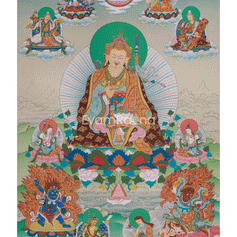
Then, Buddhism first arrived in Tibet in the 7th century CE, brought by revered figures such as the tantric master Padmasambhava (Guru Rinpoche), who was invited to Tibet in 747 CE by King Trisong Detsen. Along with the teachings, the practice of Tsa-Tsa was introduced, quickly taking root in Tibetan spiritual and artistic life. Over the centuries, it became deeply embedded in local devotional practices. In Tibet, many people could not afford gold, silver, or finely crafted religious images, so they began making Tsa-Tsa, small Buddha figures created from a mixture of clay and sacred substances. Often used as ghaus (portable shrines) worn outside the traditional robes (chuba), these consecrated Tsa-Tsas are protective and spiritually empowering.

Between the 14th and early 17th centuries, Tsa-Tsa production evolved into a uniquely Tibetan art form. As early Indian molds wore out, Tibetan craftsmen drew inspiration from Kashmir, Nepal, and China, blending these influences into a distinct national style. The result was a set of molds and Tsa-Tsas with unmistakable Tibetan religious iconography, reflecting centuries of craftsmanship, devotion, and cultural synthesis.
Tsa-Tsa as a Preliminary Practice (Ngondro)
In Vajrayana Buddhism, before a student can engage in the highest tantric practices, they complete a set of foundational exercises known as Ngondro (Tibetan: sngon 'gro, "that which goes before"). These typically include prostrations, refuge prayers, mandala offerings, Vajrasattva purification, and guru yoga, performed 100,000 times each.
The making of Tsa-Tsas is recognized as one of the five preliminary practices in the Vajrayana tradition, a method to eliminate obstacles, purify negativities, and create positive energy (merit). Students are often committed to make 100,000 Tsa-Tsas during their lifetime.
The Gyab-zhi (Four Hundred Offerings)
In one of Tibetan Buddhism's most widely practiced ceremonies, 100 Tsa-Tsas are offered specifically to overcome "tainted aggregates", the contaminated physical and mental constituents that bind sentient beings to cyclic existence. They are offered alongside 100 butter lamps (to eradicate delusion), 100 torma cakes (to overcome desires), and 100 dough effigies (to subdue the demon of death).
How Tsa-Tsas Are Made: Step-by-Step
1. First, the clay is prepared:
Traditional Tsa-Tsas are made from fine local clay or loam, mixed with water and natural fibers such as straw or hemp. This creates a malleable, crack-resistant dough. Some batches may include medicinal herbs, fragrant woods, or sacred substances, creating a blessed clay infused with spiritual energy.
2. Sacred materials are added
For memorial or highly sacred Tsa-Tsas, ashes of a cremated lama or teacher may be blended into the clay in small amounts. This transforms the Tsa-Tsa into a living vessel carrying the blessings and presence of that master.
3. The clay is Pressed into the mold

The prepared clay is carefully pressed into iconographically precise molds, capturing every detail of the relief. Any excess clay is trimmed away with a thin blade to ensure clean, crisp edges.
4. Released and dried
Once molded, the Tsa-Tsa is carefully removed and left to dry naturally in sunlight or in a kiln. Both unfired and fired Tsa-Tsas are common, each offering different durability and ritual use.
5. Recite mantras throughout
Mantras corresponding to the depicted deity, like Om Mani Padme Hum for Chenrezig, are recited continuously during the crafting process. It is considered an integral part of consecrating the Tsa-Tsa.
6. Optional finishing

Larger or ceremonial Tsa-Tsas may be painted with mineral pigments, varnished, or gilded. Some even contain rolled mantras or sacred relics in a hollow cavity at the base, before sealing, to enhance spiritual potency.
7. Consecration
Finally, the completed Tsa-Tsa is ideally blessed by a lama through a formal consecration ritual (rab gnas), invoking the presence of the depicted deity into the object and making it fully sacred for ritual use.
Types of Tsa-Tsa: Deities, Stupas, and Mantras
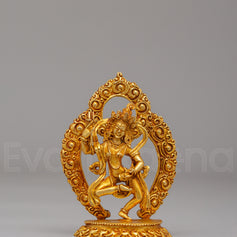
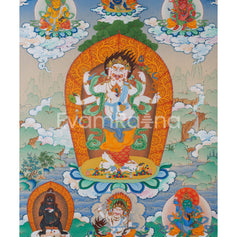
Tsa-Tsas reflect the rich iconography of Vajrayana Buddhism, capturing deities, sacred symbols, and mantras in miniature clay form. Each type serves a specific spiritual purpose, such as for meditation, offering, or empowerment.
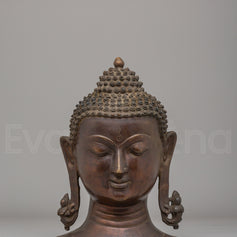
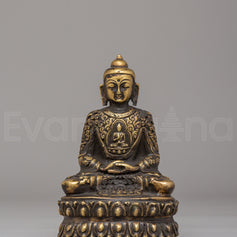
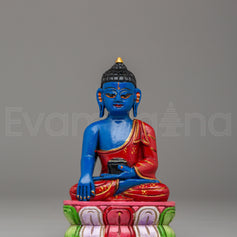
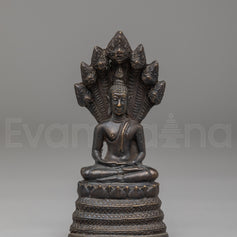
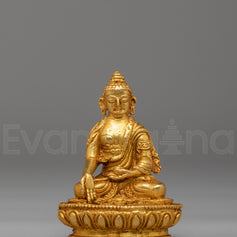
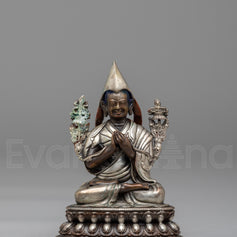
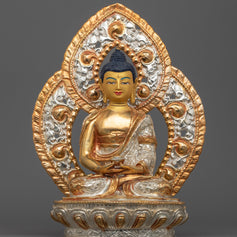
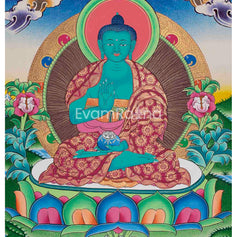
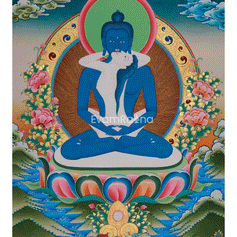
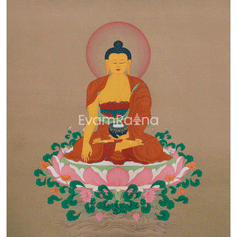
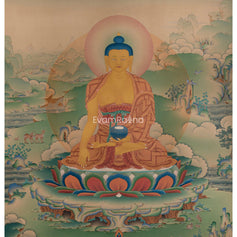
- Shakyamuni Buddha: The historical Buddha, often the most common subject, represents the foundational refuge in Buddhist practice and serves as a central focus for devotion.
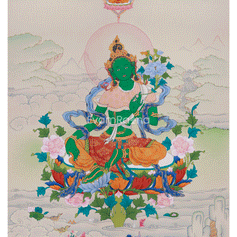
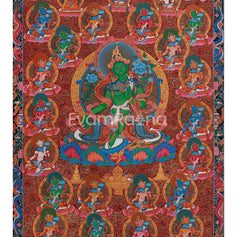
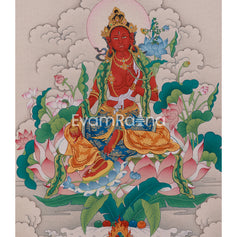
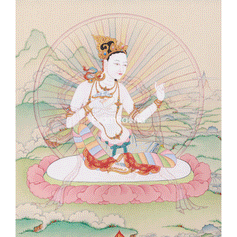
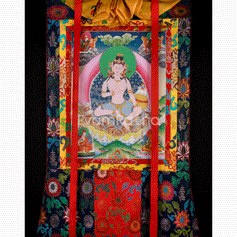
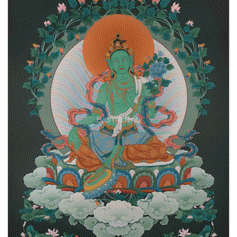
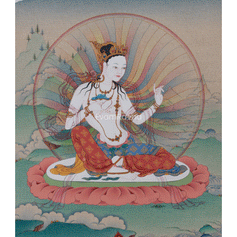
- Green Tara: A swift-acting protectress, Green Tara Tsa-Tsas are popular for obstacle removal, protection, and longevity practices, inspiring confidence and courage in practitioners.
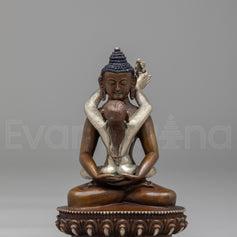
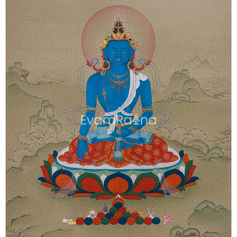
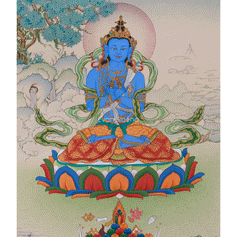
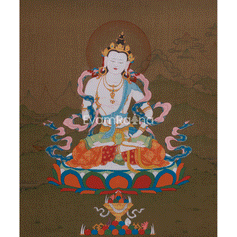
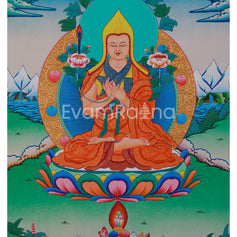
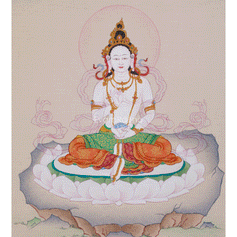
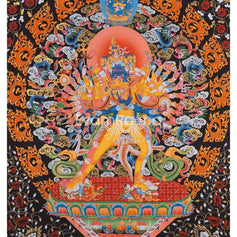
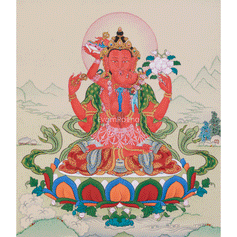
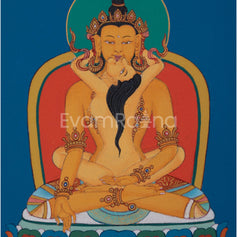
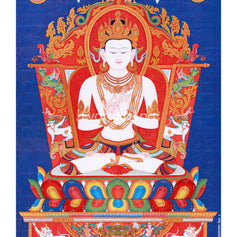
- Vajradhara: Depicting the Primordial Buddha, Vajradhara represents the ultimate tantric ground and the source of all enlightenment. These Tsa-Tsas are used in advanced Vajrayana meditation and empowerment rituals.
- Stupa/Chorten: Symbolizing the enlightened mind of the Buddha, stupa-shaped Tsa-Tsas are especially prominent in Bhutan and serve as offerings that bring blessings and merit when placed in temples or on altars.
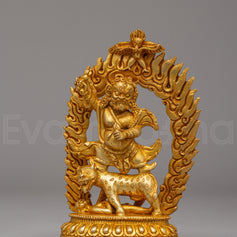
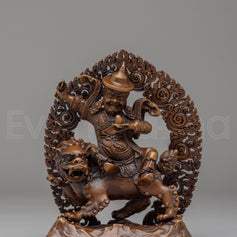
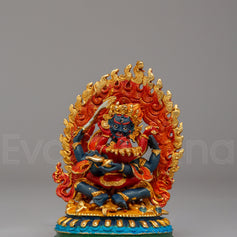
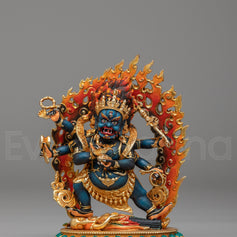
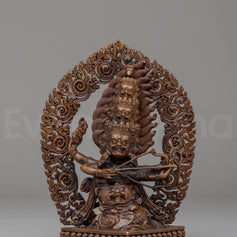
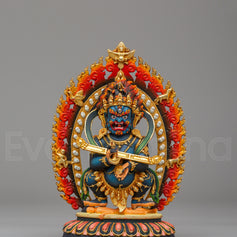
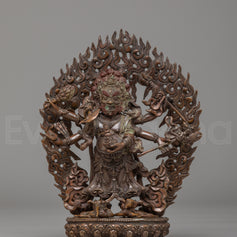
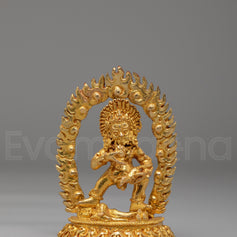
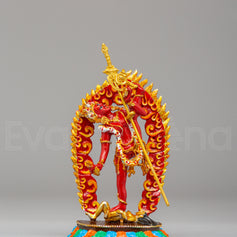
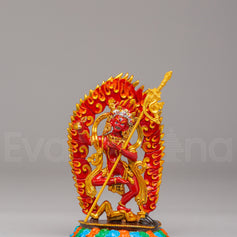
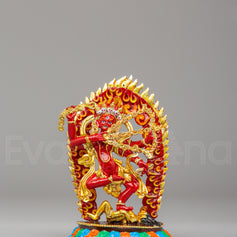
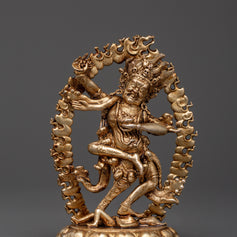
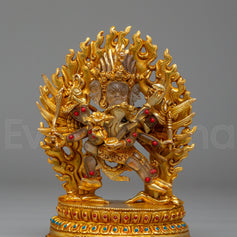
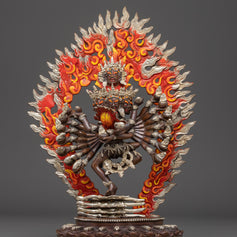
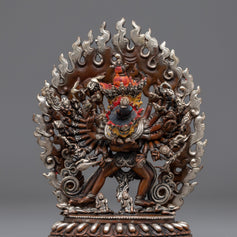
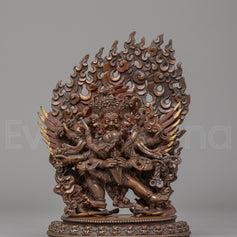
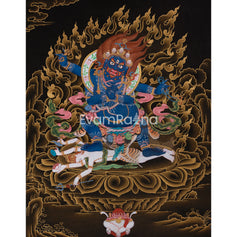
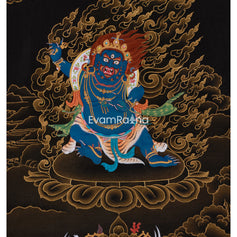
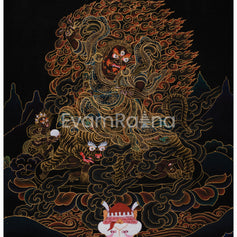
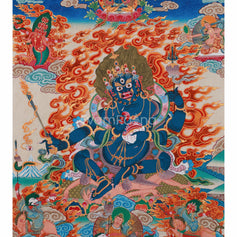
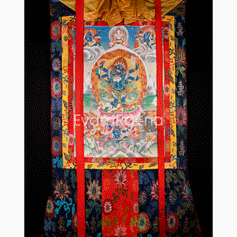
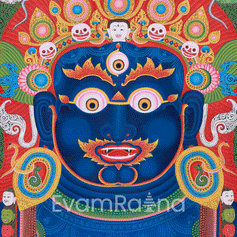
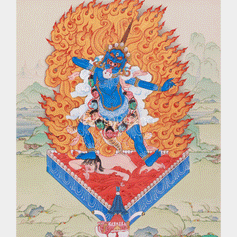
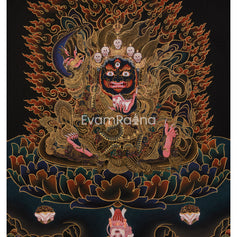
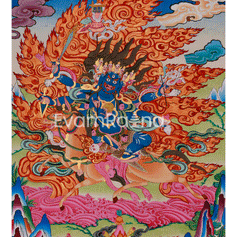
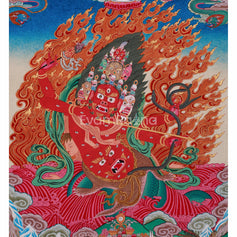
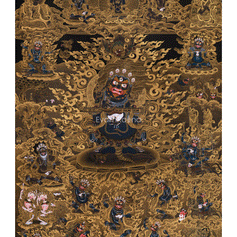
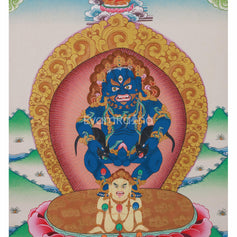
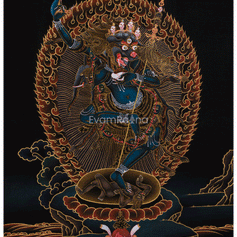
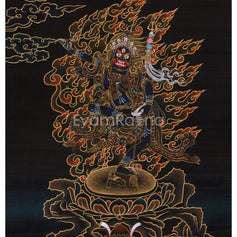
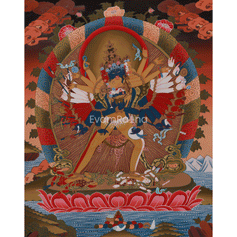
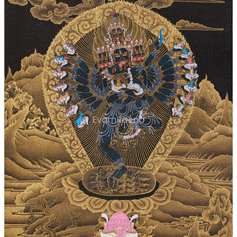
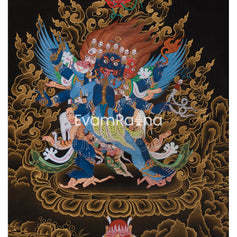
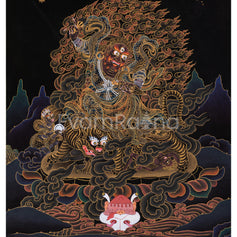
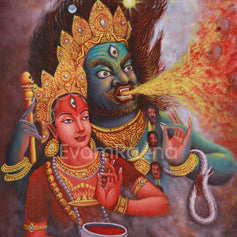
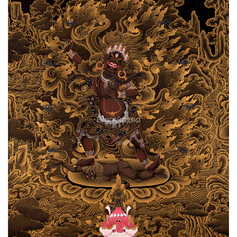
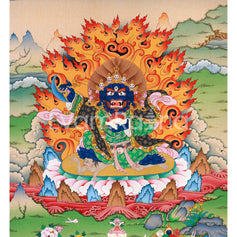
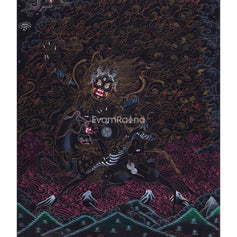
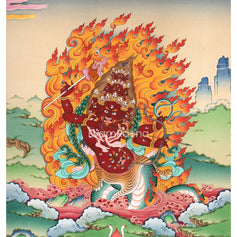
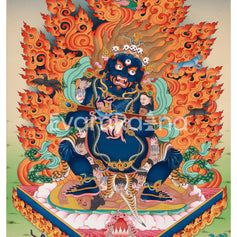
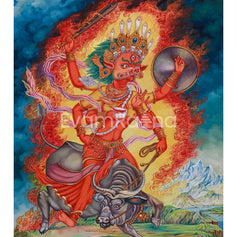
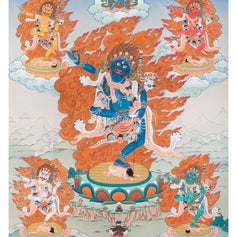
- Dharmapalas: Wrathful protective deities like Mahakala appear in Tsa-Tsa form to ward off obstacles, negative forces, and spiritual impediments, reminding practitioners of compassionate vigilance.
-
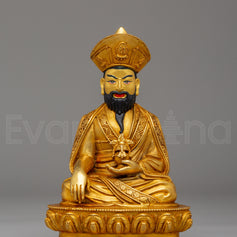
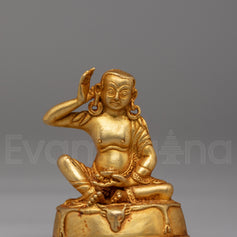
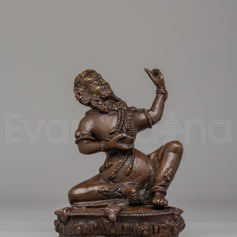
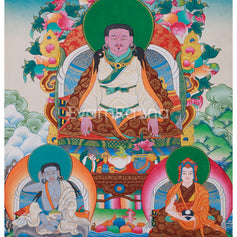
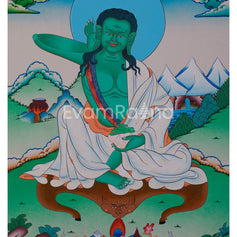
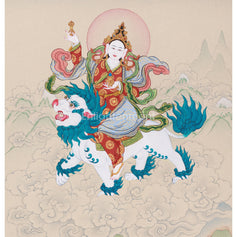
Milarepa: Tibet’s beloved yogi-poet is depicted in signature posture, hand at the ear, inspiring practitioners through his life of meditation, devotion, and poetic expression.
Each Tsa-Tsa type carries symbolic meaning, spiritual energy, and ritual function, making these votive objects and devotional art; they are also tools for practice, protection, and accumulation of merit.
Tsa-Tsa Ritual Uses and Significance

Votive Offerings for Merit
Tsa-Tsas are pressed clay images of deities or sacred symbols offered at monasteries, stupas, and holy sites. The act of creating or offering them generates spiritual merit (bsod nams) for the practitioner, their family, and the surrounding community, one of the most accessible merit-accumulating practices in the entire Vajrayana tradition.
Empowering Stupas
Large stupas are filled with thousands of Tsa-Tsas to enshrine relics, sacred texts, and spiritually charged objects. The production and placement of these images is an auspicious communal activity, often accompanied by continuous mantra recitation or traditional work, transforming into collective practice.
Funerary Practices
Tsa-Tsas are central to Tibetan funeral rites; made from the ashes of the deceased or mixed with grains, they embody the cycle of life and transformation. They are deposited at stupa gates, monastery ledges, and sacred sites to honor the departed and ease their passage through the bardo intermediate state.
Amulets and Relics
Tsa-Tsas made from blessed clay or the ashes of great teachers are kept as precious relics, connecting the practitioner with the living blessing-field of the lama or holy site. They are touched to the forehead as a blessing, especially in times of illness or before embarking on a journey.
Pilgrimage Practice
During pilgrimages to sacred mountains, lakes, and monasteries, devotees carry molds and produce Tsa-Tsas at the sites themselves, leaving some as offerings anchored to the land and taking some home to maintain a living connection with the holy place long after the journey ends.
Decorative and Protective Uses
Tsa-Tsas are used to tile monastery walls and decorate altars, creating sacred environments that generate merit simply by being seen. Broken Tsa-Tsas are never discarded as ordinary rubbish; they are respectfully stored in dedicated structures or deposited at sacred sites, preserving their spiritual value.
Gifting with Kindness and Merit
Tsa-Tsas make profoundly meaningful gifts: giving them with sincere intention helps recipients connect with the Buddha and deepen their practice. The act of giving simultaneously purifies the giver's negative karma and accumulates merit, a mutual flow of benefit between giver and receiver that embodies the bodhisattva ideal.
"Making light offerings to Tsa-Tsas collects unbelievable merit, skies of merit. There is unbelievable benefit in making and seeing them." -Lama Thubten Zopa Rinpoche
Conclusion:
Tsa-Tsas are small clay figures, powerful tools of devotion, merit-making, and spiritual practice in Tibetan Buddhism. These small votive offerings, originating in India and refined through the centuries in Tibet, represent the essence of Vajrayana iconography, signifying deities, stupas, wrathful protectors, and sacred mantras. Used in daily altar offerings, pilgrimages, funerary rites, or the empowerment of stupas, each Tsa-Tsa carries with it centuries of ritual precision and spiritual intent, enabling practitioners to connect with the Buddha and accumulate merit.
Tsa-Tsas are also meaningful gifts and collectibles, aside from their ritual use. Genuinely giving them as a gift helps the recipients with their practice, and at the same time the giver purifies negative karma and gathers merit in a reciprocal flow of blessing and spiritual benefit. From personal sadhana to monastic ceremonies, Tsa-Tsas remain a timeless bridge between art, devotion and Buddhist practice, preserving and transmitting the sacred traditions of the Himalayas to practitioners everywhere.


