


















Understanding the Triple Jewel: Buddha, Dharma, and Sangha on a Buddhist Altar
In today's world, when life is often loud, busy, and full of distractions, our minds don't get much proper rest. Many practitioners look for a sanctuary, a safe place to slow down, think, and reconnect with their true selves. A Buddhist altar, often called a shrine, serves as this dedicated sanctuary. It is a decorative arrangement and also a living space for practice and a daily reminder of wisdom, compassion, and the potential for inner transformation.
At its heart, the altar is a physical representation of the Triple Gem (or the Three Jewels): the Buddha, the Dharma, and the Sangha. These three pillars are the most valuable "gems" in a practitioner's life and together make up the foundation of Buddhist refuge. A practitioner can create a space that is beautiful, spiritually powerful, and rooted in centuries of tradition by knowing how to display these jewels on an altar.
The Core Philosophy of the Triple Jewel

Before placing up statues or offering bowls, you need to know what the Triple Gem stands for. Every Buddhist takes refuge in these three things.
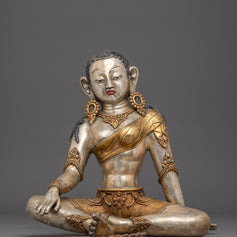
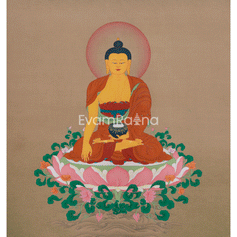
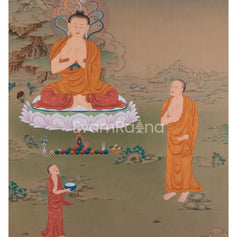
The Buddha (The Teacher): He is the fully enlightened one who shows the way in this life. On an altar, the Buddha represents the ideal of awakening and the enlightened body.
The Dharma (The Teachings): This is the path of understanding and love based on the Buddha's lessons. It represents the enlightened speech and the wisdom that guides all practice.
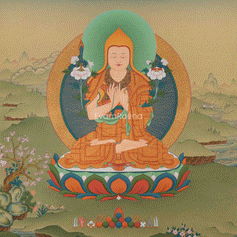
The Sangha (The Community): This is the group of monks, nuns, and practitioners who live in harmony and with awareness. It stands for the enlightened mind and the line of support that assists spiritual growth when placed on an altar.
When a practitioner takes refuge in these three jewels, they get a lot of benefits. For example, their mind becomes stronger, they are protected by positive energy (devas), and they find a clear way to end suffering and reach nirvana.
Read More About Buddha, Dharma & Sangha: Why are they called the Three Jewels
The Buddha Jewel: The Heart of the Altar

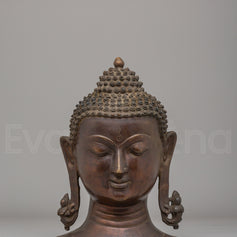
The Buddha Jewel is the most important part and central focus of any Buddhist altar. This represents the source of all teachings and the destination of the spiritual path and enlightenment itself.
Choosing the Central Image
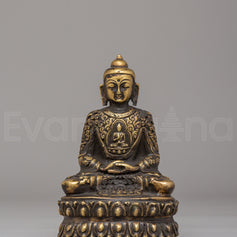
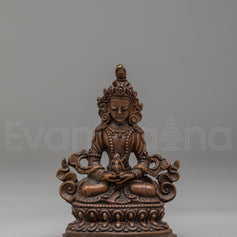
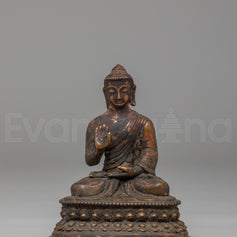
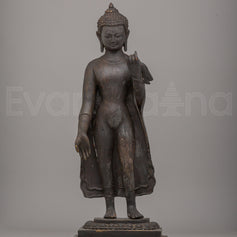
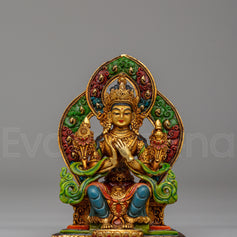
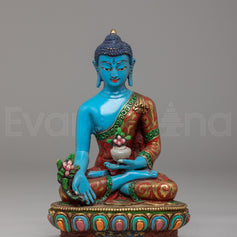
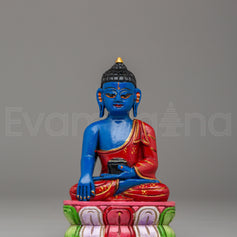
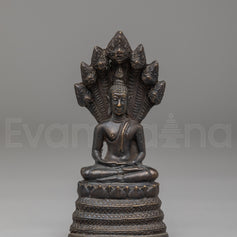
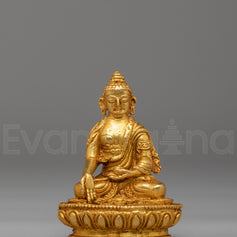
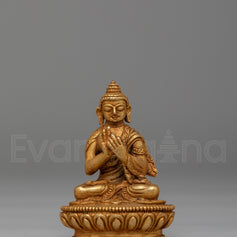
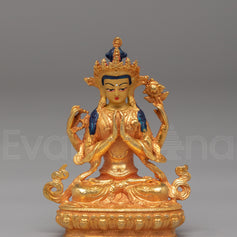
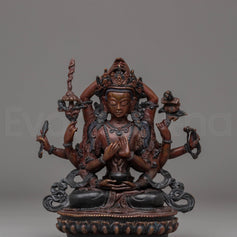
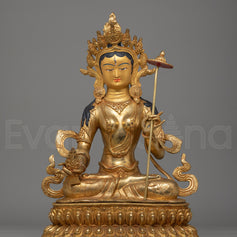
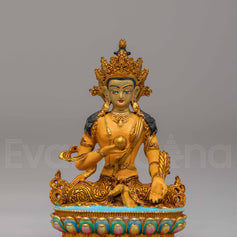
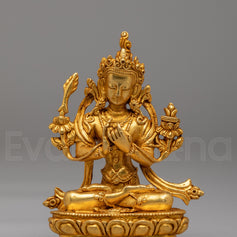
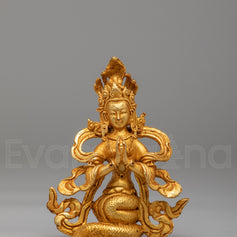
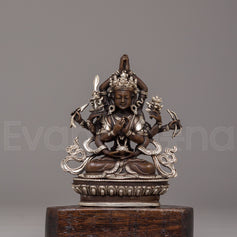
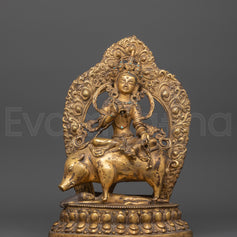
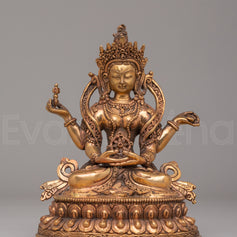
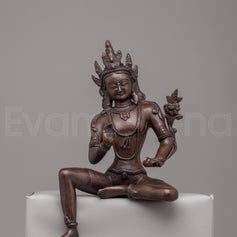
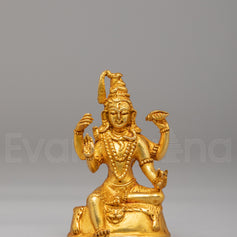
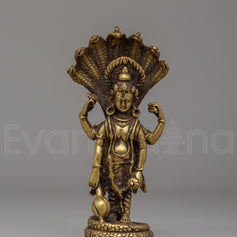
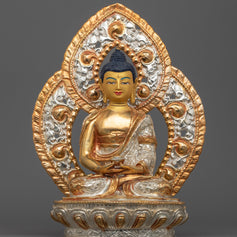
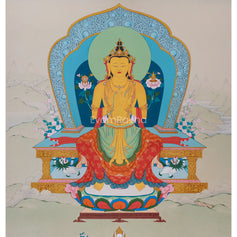
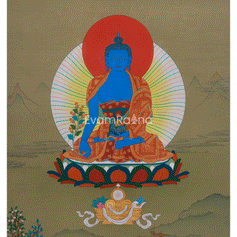
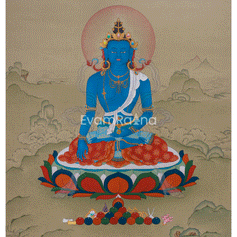
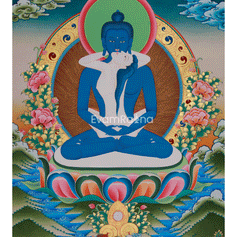
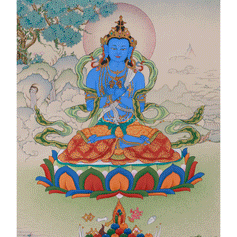
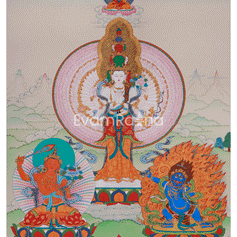
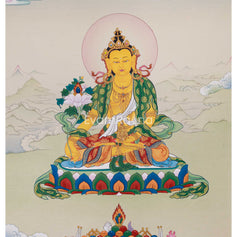
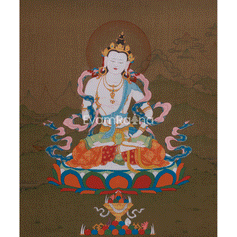
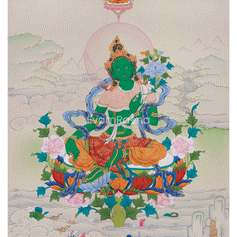
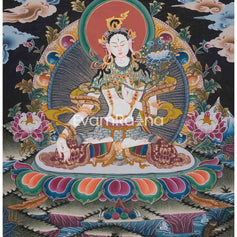
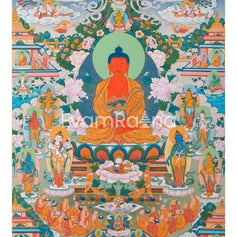
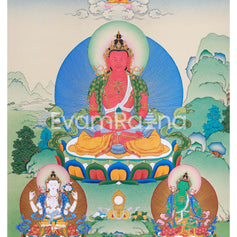
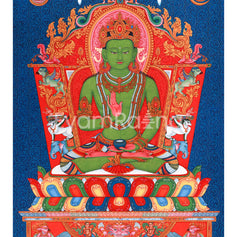
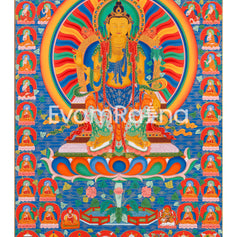
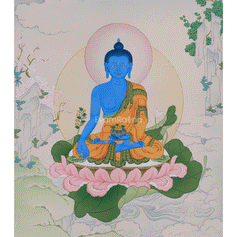
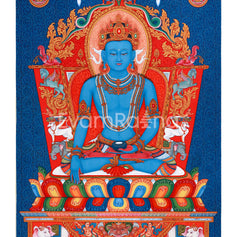
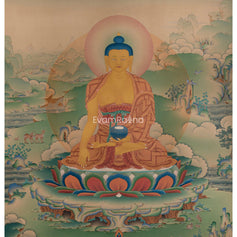
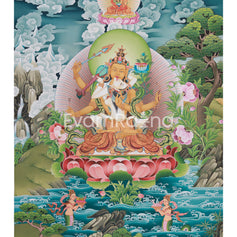
The most common choice for the main position is a statue of Buddha or a thangka painting of Shakyamuni Buddha. However, practitioners may also select statues of other enlightened beings that align with their particular practice, such as:
-
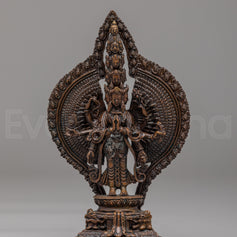
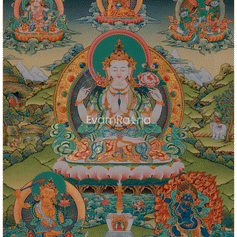
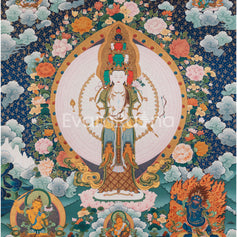
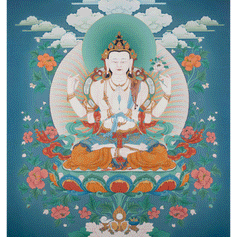
Avalokiteshvara (Chenrezig): The Bodhisattva of Compassion.
-
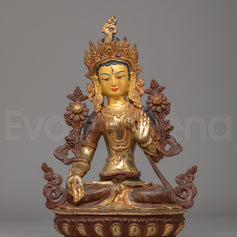
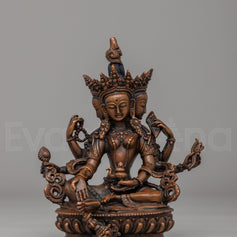
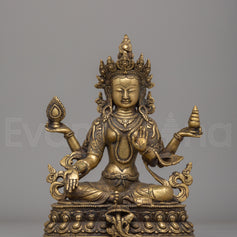
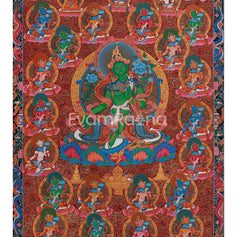
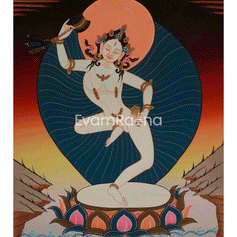
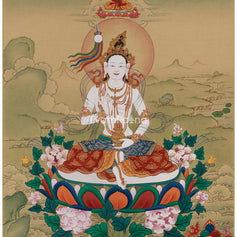
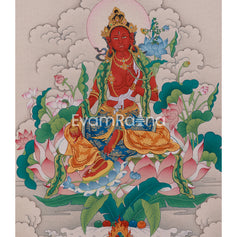
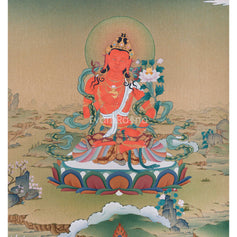
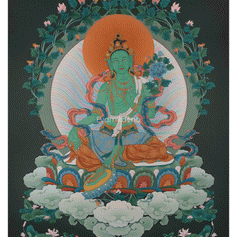
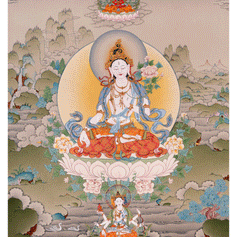
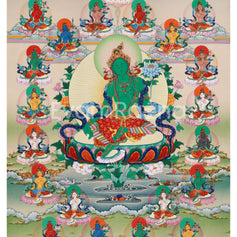
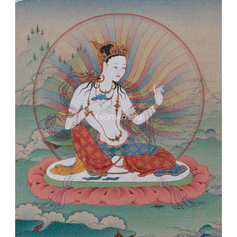
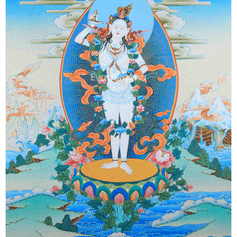
Green Tara or White Tara: Representation of protection and longevity.
-
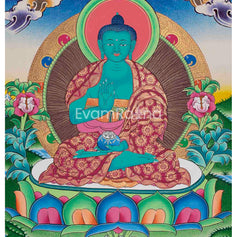
Medicine Buddha: Representation of healing and wellness.
-
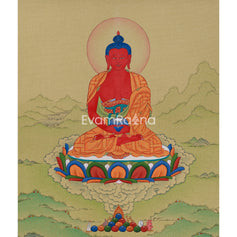
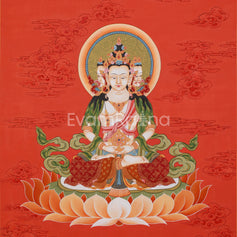
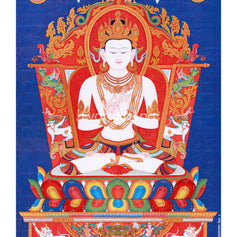
Amitabha Buddha: Representation of the Pure Land tradition.
Placement and Symbolism
The image of the Buddha is always at the top and most visible part of the altar. This height represents the superiority of enlightenment over all other states of being. If you have more than one statue, the Buddha should be in the middle or a little higher and further back. The Bodhisattva statues should be on the sides or a little lower in front.
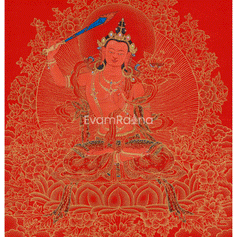
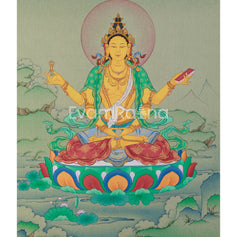
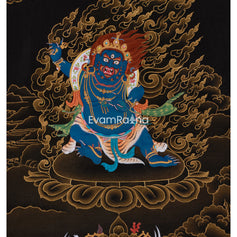
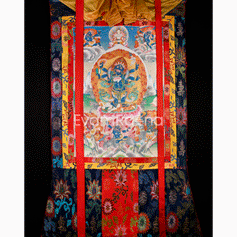
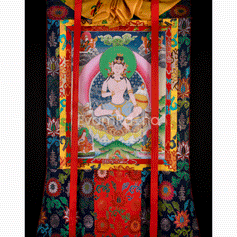
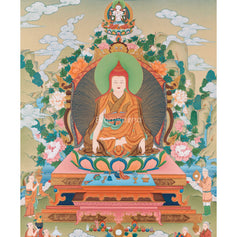
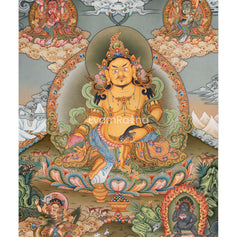
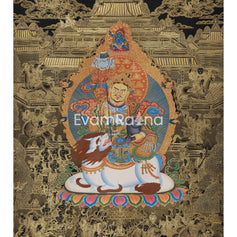
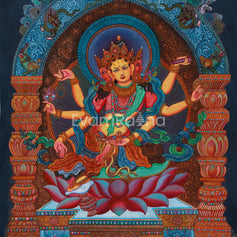
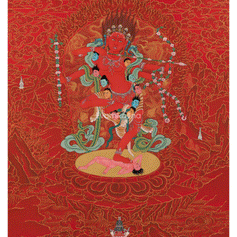
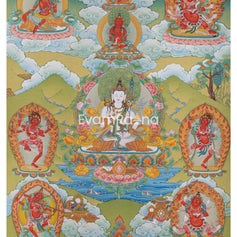
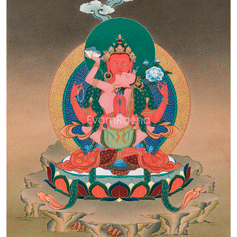
Thangkas (traditional hand-painted scrolls) are often hung on the wall behind the statue. These are meditative tools that bring blessings from enlightened beings and help with visualization practices. You should treat the thangka or statue with great respect, keep it clean, and never put it next to things that are disrespectful.
The Dharma Jewel: Representing the Teachings

The Dharma Jewel represents the wisdom of the Buddha's words. In a physical sense, it is represented by sacred texts that embody the "speech" of the enlightened state.
Sacred Texts
Traditionally, scriptures or books of the Buddha's teachings are placed on the altar. These can be formal collections like the Kangyur (Buddha's discourses) or a simple printed sutra, such as the Heart Sutra. A quote from the Dhammapada is also a perfect starting point for beginners.
Mind precedes all mental states. Mind is their chief; they are all mind-wrought. If with a pure mind a person speaks or acts, happiness follows him like his never-departing shadow.
Placement: In many traditions, the Dharma texts are placed to the Buddha's right (which is the left side from the perspective of the viewer facing the altar).
The Practice of Offerings
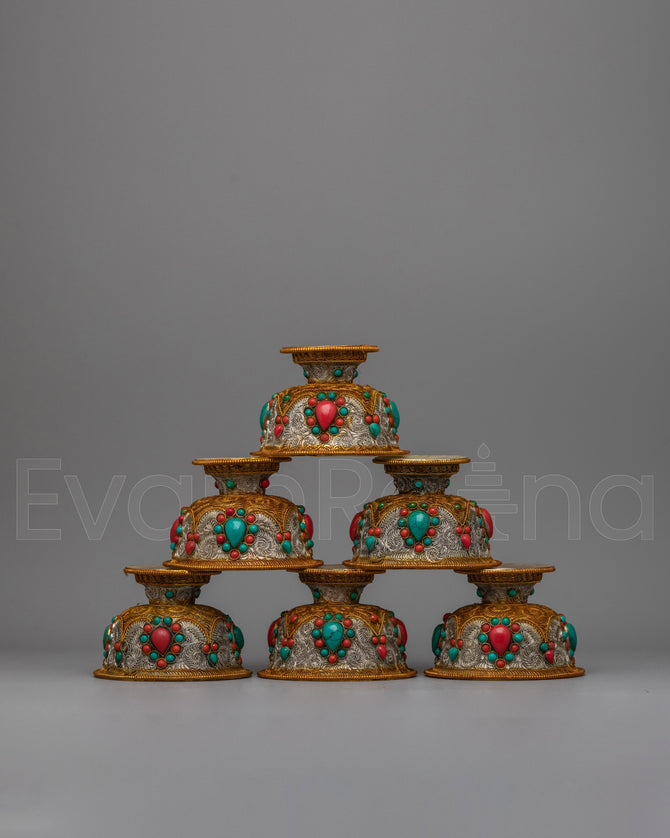
The Dharma is also represented through the eight sensory offerings and the seven water bowls. These offerings reflect the practice of the Dharma in daily life, cultivating generosity, purity, and mindfulness.
-
Water: Symbolizes purity, clarity, and the essential nature of the mind
-
Flowers: Remind us of the impermanence of all things.
-
Incense: Purifies the environment and represents ethical conduct.
-
Light (Butter Lamps): Symbolizes wisdom illuminating the darkness of ignorance.
-
Perfume: Represents the sense of smell and a clear mind.
-
Food: Represents nourishment and the "sweet rewards" of practice.
-
Music: Often represented by a bell or conch, engaging the sense of hearing.
The Sangha Jewel: The Harmonious Community

The Sangha Jewel represents the spiritual, harmonious community and the lineage of teachers who support the practitioner.
Representations of Sangha
On a home altar, the Sangha can be represented by:
-
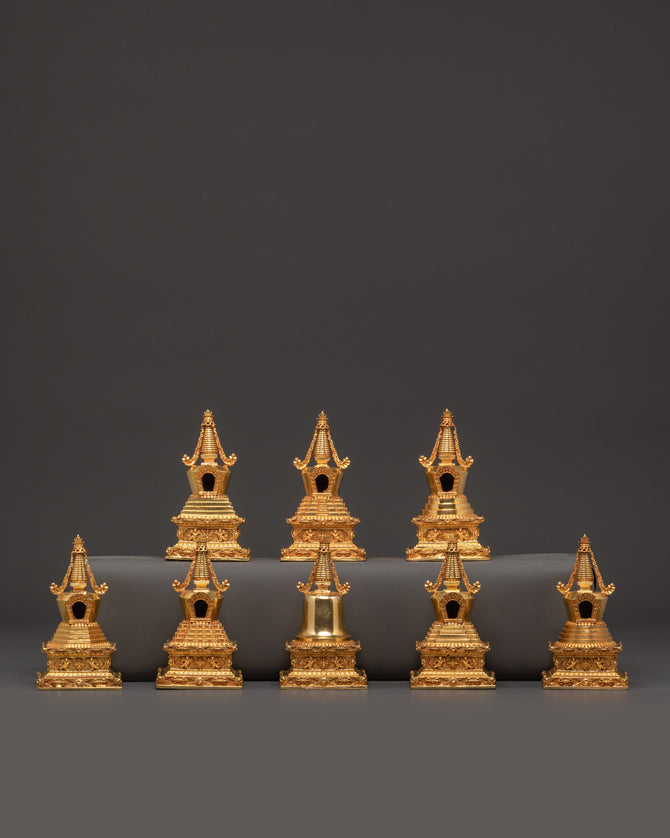
A Stupa: A sacred structure that symbolizes the Buddha's mind and the state of enlightenment.
-
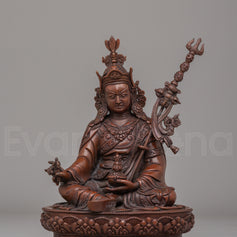
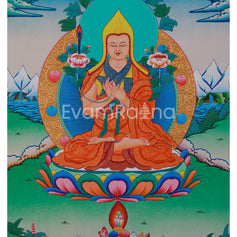
Images of Guru: A photo or painting of your specific guru or important lineage masters.
-
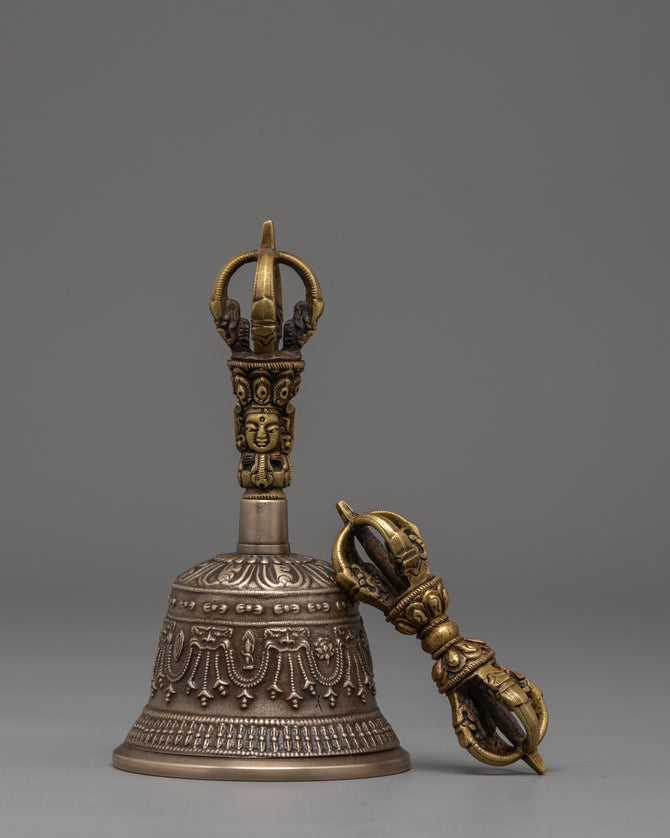
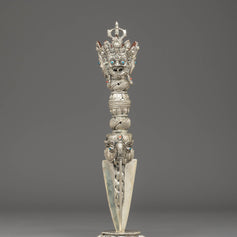
Ritual Objects: Items used in community practice, such as the Bell and Dorje (Vajra).
Placement: Usually, a stupa or image of a teacher is placed to the left of the Buddha (the right side from a viewer's point of view). The stupa should be slightly raised but should not overshadow the central Buddha statue.
Ritual Tools as Sangha Support
-
Bell and Vajra: The bell represents the wisdom of emptiness, while the vajra symbolizes compassion and skillful action. Together, they represent the union required for enlightenment.
-
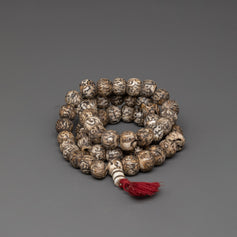
Mala Beads: Used for mantra recitation, they connect the individual's practice to the broader lineage of practitioners.
-
Prayer Wheels: Spun to generate positive karma and purify negative energy, often inscribed with mantras like Om Mani Padme Hum.
Setting Up Your Altar: A Practical Guide
 Creating an altar is a spiritual and practical thing to do. The goal is to make a place that cultivates peaceful thought and reflection.
Step 1: Choose the Location
A good place is one that is quiet, clean, well-ventilated, and well-lit. To make the home feel stable and safe, many practitioners put the altar in the main seat of the living room, which is the center of the home. The altar must be positioned higher than your head, because the distance from the floor shows respect and honor while you are meditating.
Step 2: The Base and Foundation
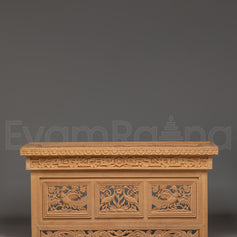
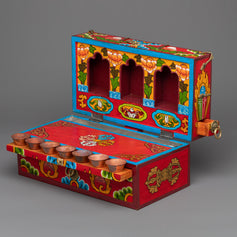
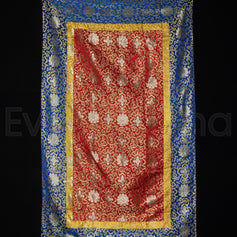
You can use an altar box or a plain table as the base. You can cover it with an altar cloth, which is usually white, gold, or red, to mark that it is sacred and pure.
Step 3: Arrange the Triple Gem
- Center: Place the Buddha statue or thangka at the highest point.
- Left (Viewer's Left): Place the Dharma texts.
- Right (Viewer's Right): Place the stupa representing the Sangha.
- Front: Arrange the offering bowls and butter lamps in a neat, balanced line.
Step 4: Incorporating the Elements
A traditional altar often represents the four classical elements:
- Earth: Food offerings.
- Water: Water bowls for purity.
- Fire: Candles or butter lamps for wisdom.
- Air: Incense and the sound of bells.
Daily Maintenance and Mindful Practice
A Buddhist altar is not a static work of art; it must be maintained and used daily. This upkeep is a kind of spiritual practice in and of itself.
Morning and Evening Routines
- Refreshment: Every morning, fresh water should be placed in the offering bowls. Avoid touching the rim of the cup with your mouth.
- Lighting: Light a stick of natural incense or a candle to set a peaceful atmosphere for meditation.
- Mindfulness: Before leaving home or upon returning, you can pay respects with a bow or a simple greeting to express gratitude and mindfulness.
- End of Day: In the evening, empty the water bowls, dry them with a clean cloth, and place them face down on the altar.
- Cleanliness as Practice: The altar area must be kept pure. This means regular dusting and replacing wilted flowers or faded fruit. Neglecting the cleanliness of your altar can reflect a neglect of your own inner practice.
Special Considerations: Space and Shared Living
If you live in a limited space or share your home with non-practitioners, you should adapt your altar thoughtfully. A single Buddha statue can represent all Buddhas, and one Bodhisattva can represent all Bodhisattvas. If a permanent altar is impossible, you can temporarily use a Buddhist sutra to represent the Buddha image during your recitation session, then put it away respectfully afterward.
Practicing Buddhism is about cultivating the inner mind; it should not create trouble for others. If a prominent altar might cause resentment among roommates or family members, it's better to have a small or private shrine.
If your household already honors ancestors or other deities (like the Earth God), you do not need to discard them. You can place the Buddha in the primary central position, with ancestral tablets or other deity images placed respectfully to the sides.
Safety and Final Reflections
Safety is the most important thing to think about when taking care of an altar. You need to make sure the room is well-ventilated because altars often have open flames from butter lamps or incense, and check upon it before you leave the house.
Ultimately, the power of a Buddhist altar comes from being mindful and devoted, not from the things that are there. Your altar, whether it's an intricate multi-tiered setup or a simple shelf with a single image and a cup of water, reflects the qualities you're trying to develop: wisdom, compassion, and presence.
May your home altar be a place of spiritual refuge that gives your whole family "tranquil and stabilizing strength." You can turn a corner of your home into a place of awakening and a safe place for your heart by grounding it in the Triple Gem: the Buddha, the Dharma, and the Sangha.


